




Total Dissolved Solids (TDS) is one of the most critical parameters in boiler water management. If TDS levels are too high, boilers face scaling, corrosion, reduced heat transfer efficiency, and even system failure. This is why understanding the correct TDS range for boiler feed water is essential for power plants, manufacturing facilities, and industrial boiler operators.
In this guide, we explain what TDS is, why it matters, recommended TDS ranges, and how to accurately test and control TDS using modern water quality instruments like the ERUN-SP7 portable multi-parameter water quality detector.
TDS refers to the total amount of dissolved inorganic salts and organic matter in water. In boiler feed water, TDS commonly includes:
Calcium and magnesium
Sodium and potassium
Chlorides and sulfates
Silica
Bicarbonates
These dissolved solids directly affect boiler performance. As water evaporates inside the boiler, TDS concentrates, increasing the risk of deposits and carryover.
High TDS causes minerals to precipitate on boiler tubes, forming scale. Even a thin layer of scale can significantly reduce heat transfer efficiency, increasing fuel consumption.
Excess dissolved salts accelerate corrosion of boiler metals, shortening equipment lifespan and increasing maintenance costs.
High TDS can lead to foaming and carryover, contaminating steam and affecting downstream equipment such as turbines and heat exchangers.
Maintaining the right TDS range helps boilers operate at optimal thermal efficiency while minimizing blowdown frequency.
There is no single universal TDS limit, as acceptable ranges depend on boiler pressure, design, and water treatment method. However, general industry guidelines are:
Low-pressure boilers:
Below 500–1,000 mg/L
Medium-pressure boilers:
Below 200–500 mg/L
High-pressure boilers:
Often below 100–200 mg/L
For many industrial boilers, the lower the TDS, the safer and more efficient the system.
Always follow manufacturer specifications and local regulatory standards for precise limits.
Heavy scaling on boiler tubes
Increased blowdown rates
Higher energy consumption
Risk of foaming and carryover
Not necessarily. Extremely low TDS may indicate aggressive water that can dissolve metal surfaces, increasing corrosion risk. This is why TDS should always be balanced with parameters like pH, hardness, and alkalinity.
Reliable testing is the foundation of effective boiler water management. Traditional handheld TDS meters offer basic readings, but industrial users often need multi-parameter analysis to understand the complete water chemistry.
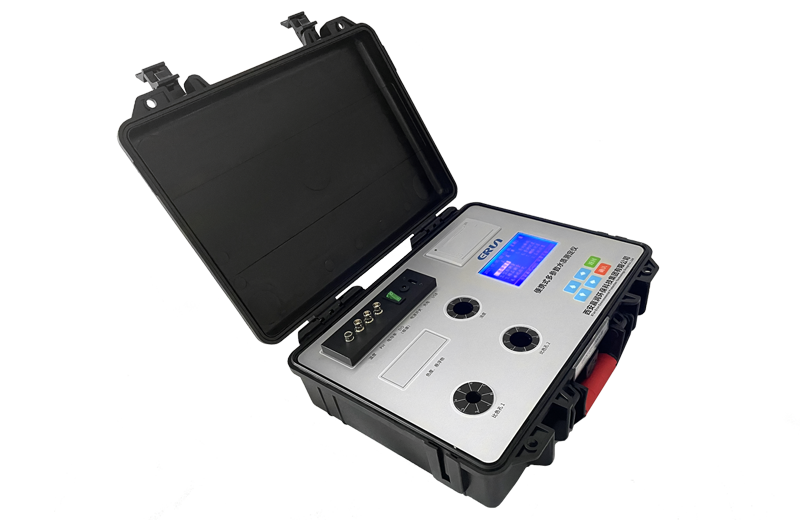
The ERUN-SP7 is designed for industrial and field applications, making it ideal for boiler water testing.
Key advantages include:
Accurate TDS measurement with fast response
Ability to test hardness, ammonia nitrogen, nitrate, phosphate, conductivity, turbidity, and more
Portable design for on-site testing
Expandable and customizable parameters based on boiler system needs
If you want to accurately control boiler feed water quality and reduce unexpected shutdowns, contact us at stella@xayingrun.com or message us on WhatsApp (+86-18189135710) to learn how ERUN-SP7 can be configured for your boiler system.
Testing frequency depends on operating conditions, but common best practices include:
Daily testing for high-pressure boilers
Weekly testing for stable low-pressure systems
After any water treatment adjustment
Continuous monitoring combined with portable verification testing helps prevent costly failures.
To maintain TDS within the optimal range:
Use proper pretreatment (RO, softening, demineralization)
Adjust blowdown rates based on real TDS readings
Monitor related parameters such as hardness and silica
Perform routine testing with calibrated instruments
Advanced multi-parameter testing ensures decisions are based on real data, not assumptions.
Understanding the correct TDS range for boiler feed water is essential for improving boiler efficiency, extending equipment life, and reducing operational risks. High or poorly controlled TDS can lead to serious and costly problems, but regular monitoring makes prevention straightforward.
With a professional solution like the ERUN-SP7 portable multi-parameter water quality detector, boiler operators can confidently manage TDS and other critical parameters on site.
Looking to improve boiler performance and reduce maintenance costs?
Take control of your water quality monitoring today: Email us at stella@xayingrun.com or send the mesaage on WhatsApp: +86-18189135710.
Visit: www.erunwas.com to learn more about professional water testing solutions.


