




Dissolved oxygen (DO) refers to the amount of oxygen gas (O₂) dissolved in water, essential for the survival of fish, invertebrates, and many microorganisms. DO levels also reflect the overall “health” of water bodies, from rivers and lakes to estuaries and coastal waters. Regular monitoring of DO is crucial for environmental scientists, aquaculture professionals, and water treatment facilities to detect early signs of stress or pollution in aquatic systems.
Measuring DO accurately helps assess whether water can sustain life and form the basis for water quality management decisions.
DO is a direct indicator of how well an aquatic environment can support life. Low DO levels (hypoxia) can cause fish stress or death, while extremely high levels (supersaturation) can also be harmful to some organisms.
Oxygen levels influence nutrient cycling, decomposition, and overall biological activity. Abnormal DO levels may signal organic pollution, eutrophication, or harmful algal blooms. Routine DO checks are an integral part of environmental monitoring protocols.
Environmental agencies, including the US EPA and global standards bodies, use DO measurements to assess compliance with water quality goals and to trigger management actions such as aeration or pollutant reduction strategies.
Temperature has a major impact on DO. Colder water can hold more oxygen than warmer water because gas solubility decreases as temperature rises. This is why DO levels are typically higher in winter and lower in summer.
Higher salinity (salt content) reduces oxygen’s ability to dissolve in water. Freshwater bodies generally hold more DO than saltwater under similar conditions. Atmospheric pressure also influences oxygen solubility—higher pressure increases DO availability.
Wind, waves, and water flow promote aeration and oxygen diffusion from the atmosphere into the water. Turbulent rivers and streams usually have higher DO, whereas stagnant water bodies tend to have lower DO levels.
Aquatic plants and algae release oxygen into the water through photosynthesis during daylight. However, they consume oxygen at night through respiration, potentially lowering DO levels.
Excess organic material, such as leaves, plant debris, or sewage, fuels bacterial decomposition. These microbes consume dissolved oxygen as they break down organic matter, which can lead to oxygen depletion, especially in slow-moving waters.
Aquatic animals also consume oxygen. In dense populations or during nighttime when photosynthesis stops, oxygen demand may exceed supply, causing DO levels to drop.
Nutrient enrichment from agricultural runoff (nitrogen, phosphorus) can cause algal blooms. When algae die and decompose, oxygen is consumed rapidly by decomposers, contributing to hypoxic “dead zones.”
Industrial discharges, agricultural runoff, and urban stormwater can introduce organic pollutants and nutrients that increase oxygen demand and reduce DO.
Changes in land use—such as deforestation or channelization of streams—affect temperature, turbulence, and shading, all influencing DO levels.
Dams and reservoirs may alter flow patterns, temperature, and mixing, leading to oxygen-poor conditions downstream, especially in deep stratified waters with limited aeration.
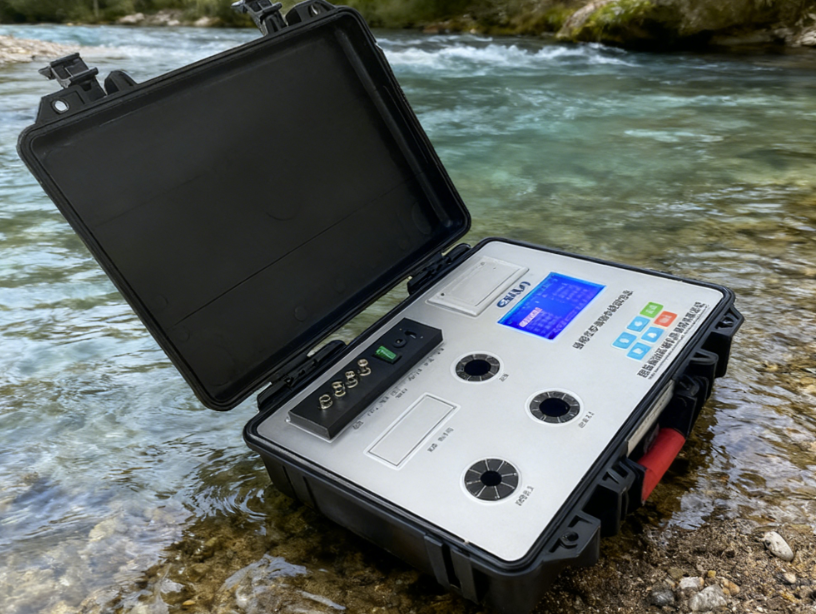
Dissolved oxygen is commonly measured with electrochemical probes or optical sensors. These devices must be calibrated regularly to ensure accuracy.
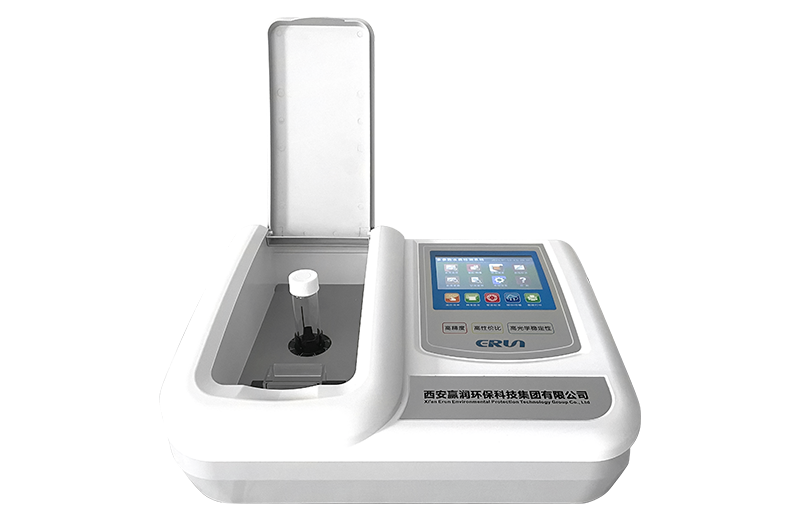
The ERUN-ST7 desktop multi-parameter water quality tester combines optical and electrode methods to measure DO precisely, alongside pH, conductivity, TDS, and other key parameters. Its optical stability (absorbance < 0.002A) ensures reliable results for lab and field testing.
By using a single instrument to measure DO and other water quality factors, scientists and technicians can understand how temperature, nutrients, and pollution interact to affect oxygen levels in real time.
Contact us today to get detailed specifications or request a quotation:
Email: stella@xayingrun.com
WhatsApp:(+86-18189135710)
Regular monitoring across seasons and weather conditions.
Aeration and circulation enhancement in stagnant waters.
Reducing nutrient and organic inputs through watershed management.
Using integrated instruments like ERUN-ST7 for comprehensive water quality analysis.
A complex interplay of physical, chemical, and biological factors, including temperature, salinity, water movement, photosynthesis, and pollution, shapes dissolved oxygen levels. Monitoring DO is vital for protecting aquatic ecosystems, conducting routine water quality assessments, and guiding management actions. Instruments like the ERUN-ST7 provide a powerful solution for accurately measuring DO while also tracking other water quality indicators, such as pH, TDS, and conductivity. By understanding and managing DO dynamics, water professionals can safeguard biodiversity and ensure healthier water systems.


