




In the landscape of 2026 environmental standards, one question dominates the conversation for plant managers and lab technicians alike: why is TOC important in water? Total Organic Carbon (TOC) represents the total amount of carbon bound in organic compounds within a water sample. Unlike visible pollutants, organic contaminants are often invisible, yet they serve as the primary indicator of a water system's health.
Measuring the organic content in water is no longer just a regulatory hurdle; it is a vital "health check" that protects both public safety and expensive industrial infrastructure.
If you are managing tap water, surface water, or river and lake water, TOC is your early warning system. High levels of organic matter can react with disinfectants like chlorine to create harmful by-products (DBPs), which are strictly regulated under modern health standards.
By prioritizing water quality monitoring through TOC, municipalities can identify the presence of pesticides, herbicides, and microbial blooms before they reach the consumer. In 2026, staying ahead of these "invisible" threats is the only way to maintain public trust and meet stringent safety certifications.
For industrial operators, the answer to why is TOC important in water lies in cost prevention. Organic matter is the primary fuel for biofouling in cooling towers and the leading cause of membrane fouling in Reverse Osmosis (RO) systems.
In high-pressure environments like boiler water systems, even trace amounts of organic carbon can break down into organic acids, leading to rapid pipe corrosion and catastrophic equipment failure. For industries ranging from pharmaceuticals to power generation, a dedicated Total Organic Carbon analyzer is the frontline defense against expensive downtime and repairs.
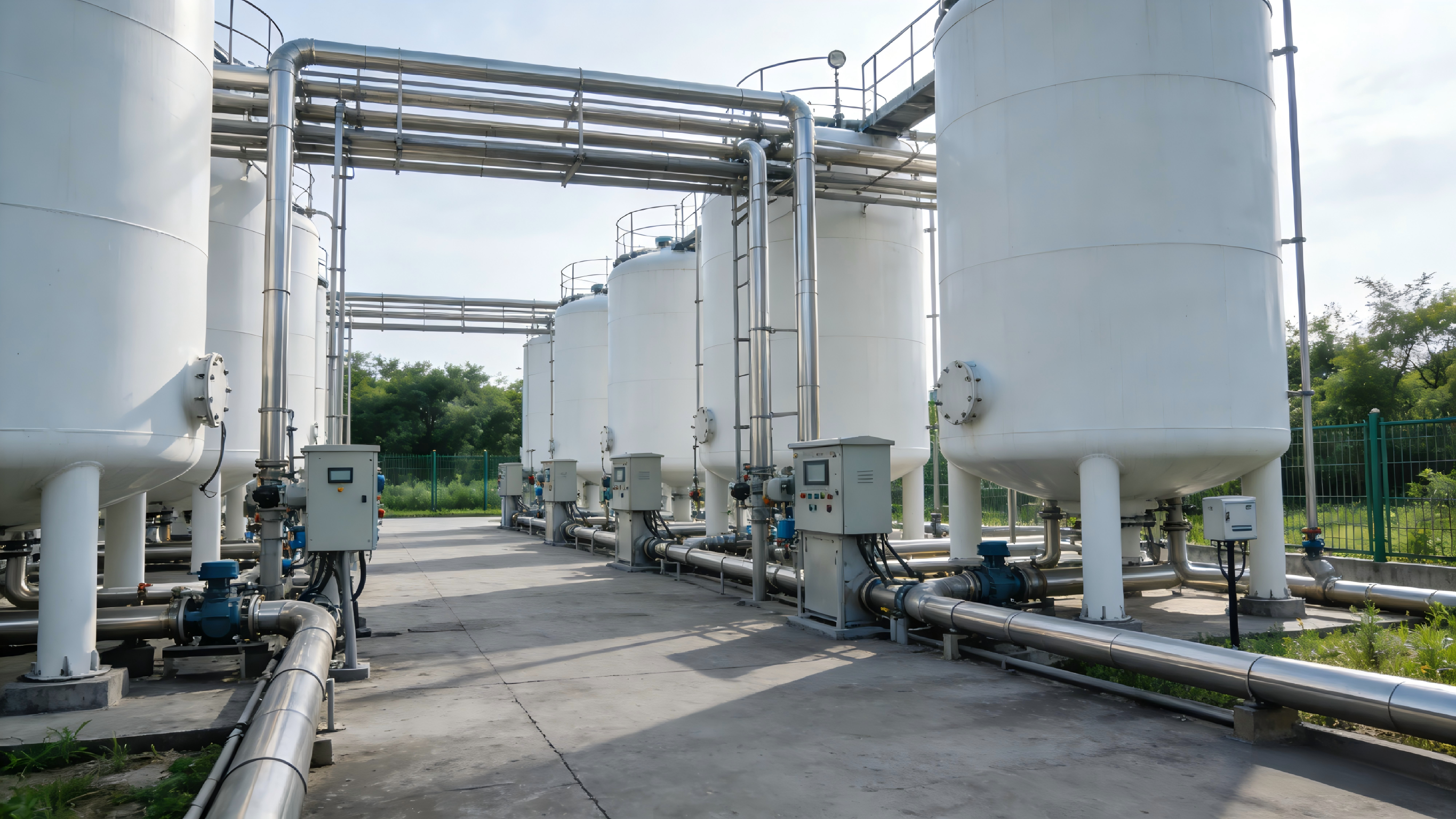
The debate of TOC vs COD (Chemical Oxygen Demand) has reached a turning point. While COD has been a traditional metric, TOC is rapidly becoming the preferred choice for industrial wastewater analysis.
The reason is simple: efficiency. While COD tests require hours and involve hazardous chemicals like mercury, TOC analysis provides accurate results in minutes. Furthermore, because TOC directly measures carbon atoms rather than oxygen demand, it is less susceptible to interference from inorganic substances, making it a more reliable metric for 2026 environmental reporting.
We understand that laboratory professionals face a double challenge: the need for extreme precision in "clean" water and the durability to handle "dirty" industrial samples. The ERUN-ST3-J3 Laboratory Benchtop Total Organic Carbon Analyzer by Erun Environmental Protection was engineered to solve exactly these problems.
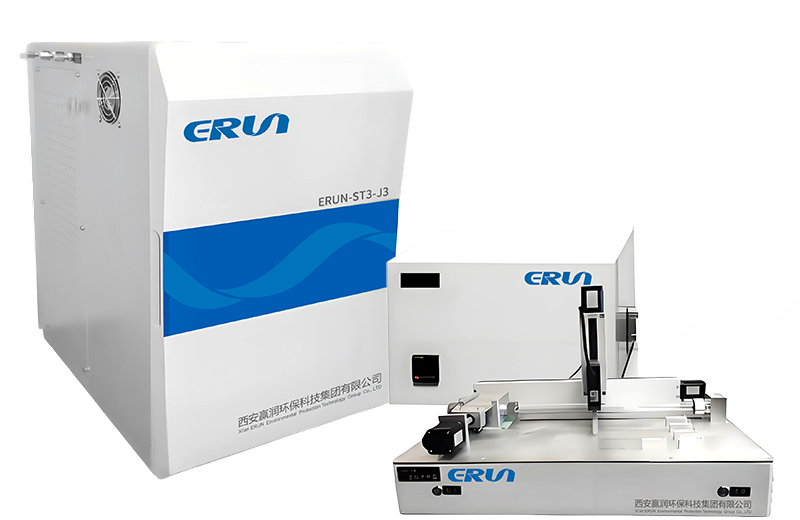
How the ERUN-ST3-J3 Solves Your Lab Challenges:
Unmatched Sensitivity for Pure Water: Utilizing the advanced UV oxidation method, the ERUN-ST3-J3 is specifically tailored for drinking water, boiler water, and purified water. It detects ultra-low organic levels that standard combustion analyzers might overlook.
Versatility Across Matrices: Whether you are testing industrial wastewater, seawater, or new energy battery materials, this instrument provides stable, repeatable data, ensuring your product quality and control remain uncompromised.
A Growing Lab Solution: Your needs change, and your equipment should too. The ERUN-ST3-J3 can be extended with modules for Total Nitrogen and Total Sulfur, allowing you to analyze solid or liquid samples without purchasing multiple stand-alone units.
So, why is TOC important in water? It is the difference between reactive crisis management and proactive quality assurance. By accurately measuring the organic content in water, you protect your equipment, your customers, and your bottom line.
For labs that demand 2026-level precision and modular flexibility, the ERUN-ST3-J3 is the definitive choice.


