




Zinc (Zn) is an essential trace element, but excessive zinc concentrations in water can negatively affect aquatic ecosystems, industrial processes, and drinking water quality. Zinc contamination may originate from mining operations, electroplating facilities, metal processing plants, battery manufacturing, galvanized pipes, and industrial wastewater discharge. Accurate monitoring of zinc levels is therefore an important part of water quality management and environmental compliance.
As regulatory agencies and industrial operators place greater emphasis on heavy metal monitoring, demand for reliable zinc analyzers and zinc testing equipment continues to increase worldwide.
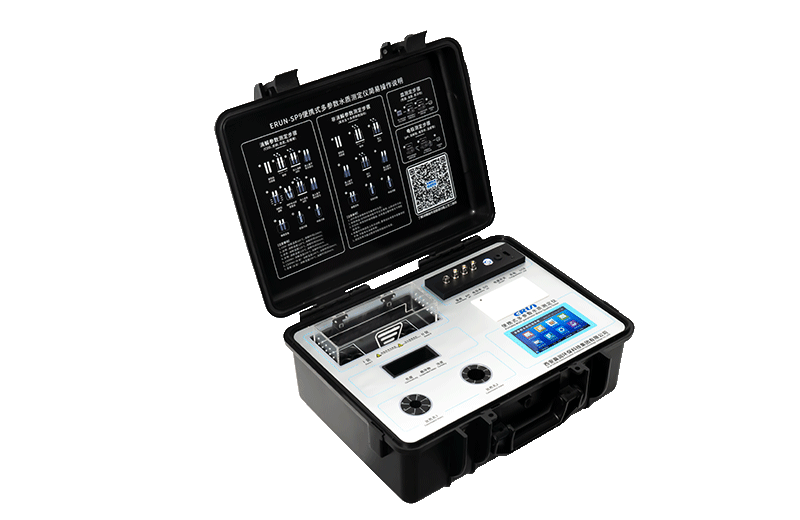
Water zinc testing is widely used in:
Industrial wastewater monitoring
Electroplating and metal finishing industries
Mining and metallurgy operations
Surface water and river monitoring
Drinking water quality assessment
Environmental laboratories
Municipal wastewater treatment plants
Process water quality control
Many online and laboratory zinc analyzers utilize spectrophotometric or colorimetric methods because of their reliability, accuracy, and ease of operation.
When evaluating a zinc analysis instrument, buyers should consider:
The analyzer should cover the expected zinc concentration levels in the target application.
Reliable results are essential for environmental reporting and process control.
Touch-screen interfaces, automatic wavelength selection, and simplified calibration can significantly improve laboratory efficiency.
Modern analyzers should provide data storage, export capabilities, and reporting functions.
Products with CE, ISO 9001, and RoHS certifications offer additional confidence for international buyers and project contractors.
For laboratories and industrial users requiring accurate zinc concentration measurement, the ERUN-ST-ZN780 Laboratory Bench-top Zinc Water Quality Analyzer offers a practical solution.
The instrument is specifically designed for zinc ion determination in drinking water, surface water, industrial wastewater, and environmental samples. According to manufacturer specifications, it adopts a spectrophotometric detection principle with a measurement range of 0.20–5.00 mg/L, repeatability ≤2%, and measurement error ≤±5%. The analyzer features an imported light source, color touch screen, automatic wavelength selection, large-capacity data storage, and bilingual operation interface.
Additional advantages include:
High measurement stability
User-friendly operation
Fast laboratory testing workflow
Low power consumption
Suitable for environmental monitoring laboratories
Applicable to industrial wastewater compliance testing
The analyzer is particularly useful for facilities seeking a cost-effective alternative to more complex heavy-metal analysis systems while maintaining dependable analytical performance.
Common methods include spectrophotometry, colorimetry, atomic absorption spectroscopy (AAS), ICP-OES, and ICP-MS. Spectrophotometric analyzers are widely used because they provide a balance between accuracy, cost, and operational simplicity.
Industrial wastewater can contain elevated zinc concentrations from manufacturing and metal processing activities. Monitoring helps protect receiving waters and supports environmental compliance.
Yes. Zinc analyzers are commonly used for drinking water quality assessment, especially where galvanized pipes or industrial influences may affect zinc concentrations.
Accurate zinc analysis is essential for environmental protection, industrial process control, and water quality management. Whether testing drinking water, industrial wastewater, or surface water, selecting a reliable zinc analyzer can improve data quality and regulatory compliance. Instruments such as the ERUN-ST-ZN780 provide laboratories and water treatment professionals with an efficient solution for routine zinc monitoring and analysis.


