




Dissolved oxygen (DO) is one of the most important indicators of water quality. Whether you are analyzing drinking water, surface water, or wastewater, understanding DO levels is essential for assessing ecological health, treatment efficiency, and compliance with regulations. In this guide, we will break down what dissolved oxygen is, why it matters, how it is measured, and how modern instruments—especially the ERUN-SP7 Portable Multi-Parameter Water Quality Detector—help you achieve highly accurate and efficient testing.
Dissolved oxygen refers to the amount of oxygen molecules present in water. Unlike oxygen in the air, DO exists as tiny molecules dispersed within the water column. Aquatic life depends heavily on DO, and changes in DO levels can indicate pollution, organic matter decomposition, or chemical contamination.
DO is typically measured in:
mg/L (milligrams per liter)
% saturation, which compares actual oxygen concentration to the maximum amount the water can hold at a given temperature and pressure.
Healthy rivers, lakes, and drinking water systems maintain stable DO levels—low DO signals microbial activity, pollution, or organic decay.
Fish, plants, and beneficial microorganisms rely on DO to survive. When DO drops below critical levels, aquatic ecosystems can collapse.
Aeration and biological treatment systems rely on DO. Low oxygen slows treatment efficiency, while excessive aeration wastes energy.
Many international and national environmental standards use DO as a core parameter for:
Discharge permits
Surface water assessments
Drinking water quality monitoring
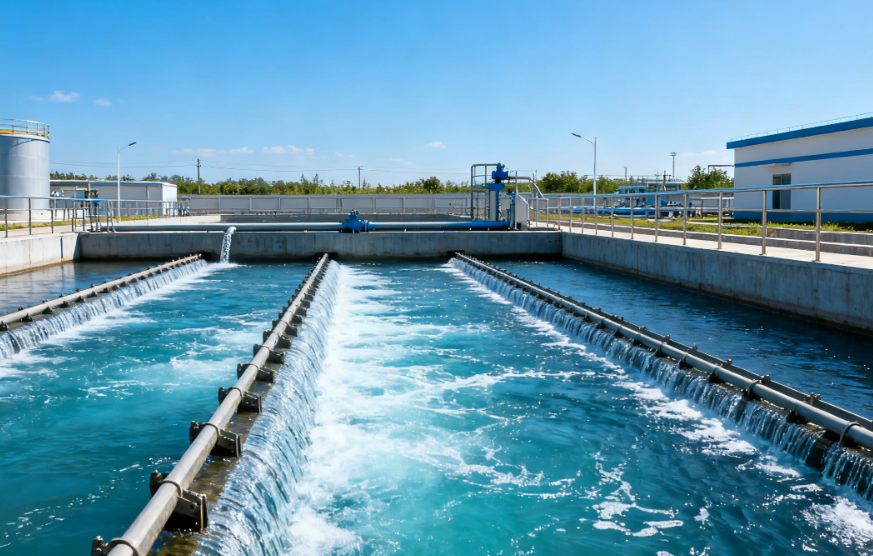
Colder water holds more oxygen; warm water holds less.
Higher salinity reduces oxygen solubility.
More organic pollution means higher oxygen consumption, reducing DO levels.
Active bacteria consume oxygen as they break down waste.
Flowing water typically has higher DO from natural aeration.
Includes galvanic and polarographic sensors. Reliable but requires membrane maintenance.
Highly accurate, low-maintenance, and ideal for multi-parameter portable testing. Most modern analyzers—including ERUN devices—use this method.
The ERUN-SP7 Portable Multi-Parameter Water Quality Detector is designed for professional and industrial DO monitoring. It supports a wide range of test parameters, including:
Dissolved Oxygen
COD
Ammonia Nitrogen
Total Nitrogen
and more.
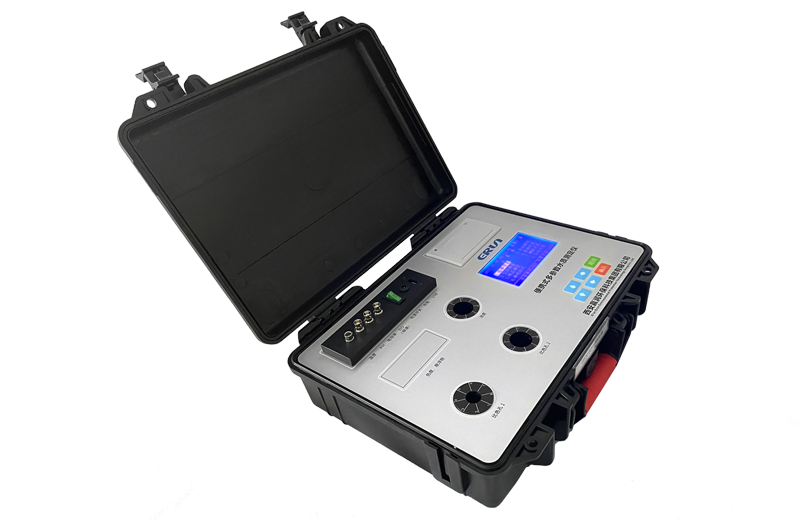
High-accuracy optical sensing
Automatic temperature compensation
Customizable test items
Portable design for field and lab use
Intelligent interface for easy operation
This makes it ideal for:
Drinking water plants
Environmental monitoring stations
Industrial wastewater facilities
Research laboratories
On-site field investigations
Increase aeration in treatment plants
Reduce organic load and chemical pollutants
Improve water circulation
Use real-time monitoring devices to detect DO drops early
Dissolved oxygen plays a crucial role in water quality assessment. From environmental monitoring to drinking water treatment and wastewater management, DO reveals the biological and chemical balance of water systems.
Using a professional tool like the ERUN-SP7 Portable Multi-Parameter Water Quality Detector ensures:
Accurate DO readings
Reliable multi-parameter analysis
Faster troubleshooting
Better environmental compliance
For industries and laboratories seeking precision and efficiency, ERUN-SP7 is an essential solution.


