




Dissolved oxygen (DO) is one of the most critical indicators of water quality. It plays a vital role in maintaining healthy aquatic ecosystems, ensuring safe drinking water, and supporting industrial water processes. Accurately measuring and monitoring DO helps prevent ecological damage and ensures water remains safe for human and animal use. Tools like the ERUN-SP7 portable multi-parameter water quality detector make it easier than ever to monitor dissolved oxygen along with other essential water parameters such as pH, conductivity, TDS, and temperature.
Dissolved oxygen refers to the amount of oxygen gas present in water. This oxygen is vital for aquatic organisms, including fish, plants, and beneficial microorganisms. DO levels can vary depending on natural factors like temperature and salinity, or human activities such as pollution and wastewater discharge.
Several factors influence DO levels in water:
Temperature: Warmer water holds less oxygen than cooler water.
Pressure: Higher altitudes reduce oxygen solubility in water.
Salinity: Saltwater has lower oxygen solubility compared to freshwater.
Organic matter: Decomposing organic material consumes oxygen.
Microbial activity: High microbial respiration can deplete DO.
Accurate measurement is crucial, and instruments like the ERUN-SP7 provide reliable DO readings in diverse environments.

Low dissolved oxygen, or hypoxia, can have devastating effects on aquatic ecosystems. Fish and other aquatic organisms may suffocate, plants may struggle to survive, and microorganisms that rely on oxygen may die off, disrupting the natural balance of water bodies.
In industrial and municipal water systems, DO levels influence water taste, prevent corrosion in pipes, and affect chemical treatment processes. Consistently monitoring and maintaining optimal DO levels ensures water is safe and suitable for consumption and industrial applications.
Surface water (rivers, lakes): 6–8 mg/L
Aquaculture ponds: 5–7 mg/L
Industrial and treated water: 5–8 mg/L
These values are recommended by organizations like the EPA and WHO, and regular monitoring is essential to maintain these levels.
Low DO (<4 mg/L): Can lead to fish kills, bad odors, and poor water quality.
High DO (>12 mg/L): May indicate supersaturation, which can cause gas bubble disease in fish.
Using a versatile instrument like the ERUN-SP7, operators can measure DO accurately and adjust water management strategies proactively.
Winkler titration: Laboratory chemical method; accurate but labor-intensive.
Electrochemical sensors: Measure DO directly; widely used in labs and fieldwork.
Optical sensors: Provide high precision and low maintenance; ideal for continuous monitoring.
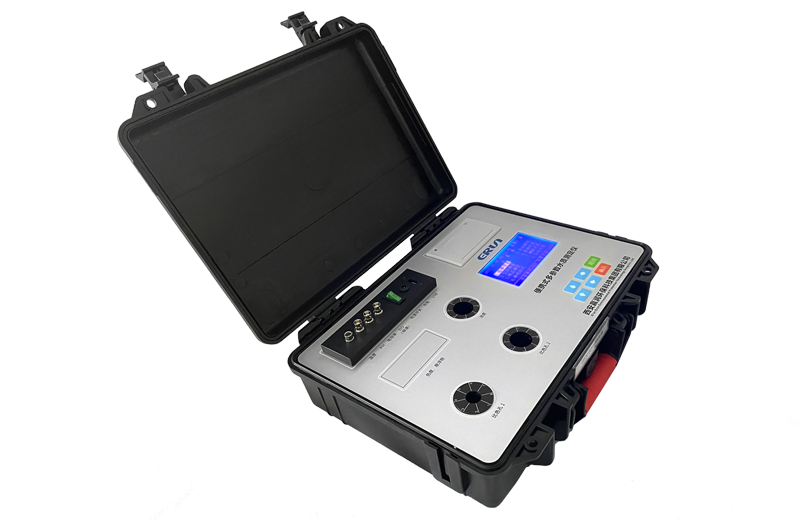
The ERUN-SP7 portable multi-parameter water quality detector combines optical and electrode methods, measuring DO alongside pH, conductivity, TDS, temperature, and more. Its free parameter configuration allows users to customize monitoring based on their specific needs. Its portability makes it perfect for fieldwork and lab use alike.
Maintaining optimal DO levels requires a combination of monitoring and proactive measures:
Aeration: Increase oxygen in water bodies through mechanical aerators or waterfalls.
Reduce organic pollution: Limit nutrient runoff to prevent oxygen depletion.
Temperature control: Shade ponds or lakes to reduce water temperature in hot climates.
Wastewater treatment: Properly treat effluent to reduce oxygen-demanding substances.
Monitoring tools like ERUN-SP7 allow continuous assessment, enabling immediate corrective actions when DO levels drop or rise beyond optimal ranges.
Dissolved oxygen is a critical measure of water health for ecosystems, drinking water, and industrial processes. Maintaining a good DO level—typically between 5–8 mg/L depending on water type—is essential. Accurate, real-time monitoring using tools like the ERUN-SP7 portable multi-parameter water quality detector ensures proactive water management, protecting both aquatic life and human health.
For those responsible for water quality, integrating ERUN-SP7 into daily monitoring routines guarantees accurate measurements, informed decision-making, and improved water safety.


