




Nitrate testing plays a critical role in modern water quality management. Whether you are monitoring drinking water, surface water, groundwater, or wastewater, understanding nitrate levels helps protect human health, aquatic ecosystems, and regulatory compliance. But what exactly is the purpose of a nitrate test, and why is it so important across industries?
In this guide, we'll explain what nitrate testing is, why it matters, where it is required, and how advanced tools like the ERUN-SP7 portable multi-parameter water quality detector make nitrate monitoring faster, easier, and more accurate.
Nitrate (NO₃⁻) is a naturally occurring form of nitrogen found in soil, water, and plants. It enters water systems through both natural processes and human activities.
Common sources of nitrates in water include:
Agricultural fertilizers and runoff
Animal waste and manure
Sewage and wastewater discharge
Septic system leakage
Industrial effluents
Because nitrate is highly soluble, it easily travels through soil into groundwater and surface water, making regular testing essential.
The primary purpose of a nitrate test is to measure the concentration of nitrate in water to assess safety, environmental impact, and regulatory compliance.
Protecting drinking water safety
High nitrate levels can pose serious health risks, especially for infants and pregnant women.
Preventing environmental damage
Excess nitrates contribute to eutrophication, algal blooms, and oxygen depletion in lakes and rivers.
Ensuring regulatory compliance
Many countries set strict limits on nitrate levels in drinking water and wastewater discharge.
Supporting water treatment decisions
Accurate nitrate data helps operators optimize treatment processes and reduce pollution.
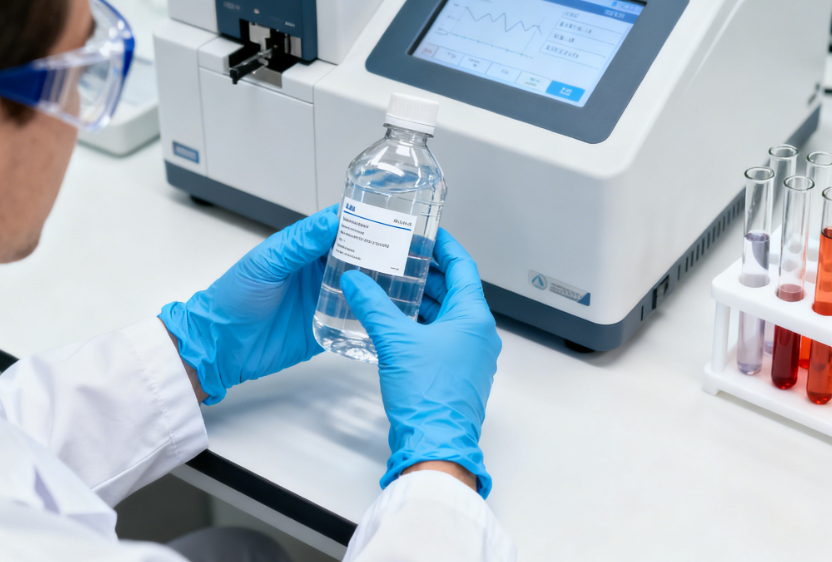
Nitrate contamination in drinking water is a major public health concern. When consumed at high levels, nitrates can interfere with the blood’s ability to carry oxygen, leading to a condition known as methemoglobinemia, or “blue baby syndrome.”
For this reason, regulatory agencies worldwide have established maximum allowable nitrate concentrations in drinking water.
Routine nitrate testing ensures:
Water supplied to homes is safe
Private wells remain uncontaminated
Early detection of pollution sources
Portable testing instruments allow rapid on-site screening, reducing risks before they escalate.
In rivers, lakes, and reservoirs, excess nitrate acts as a nutrient that accelerates algae growth. This process, known as eutrophication, can cause:
Harmful algal blooms
Reduced water clarity
Fish kills due to oxygen depletion
Loss of biodiversity
The purpose of nitrate testing in surface water is to monitor nutrient pollution, identify pollution sources, and support environmental protection programs.
Nitrate testing is widely applied across multiple industries and scenarios, including:
Drinking water treatment plants
Groundwater and well water monitoring
Surface water and watershed management
Agricultural runoff assessment
Wastewater treatment facilities
Environmental monitoring agencies
Research institutions and universities
In each case, accurate nitrate data support informed decision-making and long-term water sustainability.
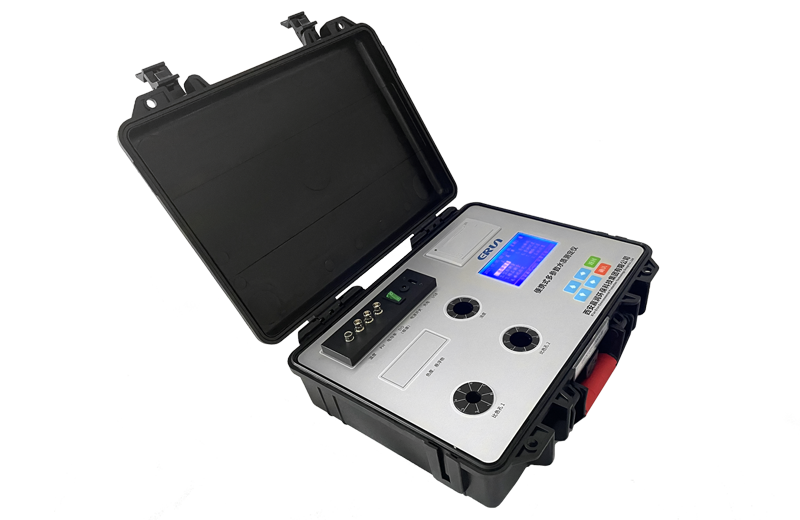
The ERUN-SP7 portable multi-parameter water quality detector is designed to meet diverse nitrate testing needs across field and laboratory environments.
Accurate nitrate measurement using advanced optical methods
Multi-parameter detection, including nitrate, COD, TSS, ammonia nitrogen, total phosphorus, total nitrogen, turbidity, residual chlorine, and heavy metals
Expandable and customizable parameters to suit different applications
Portable design for field testing and on-site inspections
User-friendly operation with a clear digital display
By combining nitrate testing with other critical water quality indicators, ERUN-SP7 enables users to gain a comprehensive understanding of water conditions in a single device.
Contact us for technical details, quotations, or customized testing solutions:
Email: stella@xayingrun.com
WhatsApp: +86-18189135710
While single-parameter nitrate tests can provide basic information, they often lack context. Water quality issues are rarely caused by one parameter alone.
Multi-parameter testing allows users to:
Correlate nitrate levels with nitrogen, phosphorus, and TSS
Identify pollution sources more accurately
Improve treatment efficiency
Reduce repeated sampling and testing costs
The purpose of nitrate testing becomes far more impactful when integrated into a broader water quality assessment.
So, what is the purpose of a nitrate test? Simply put, it is to protect health, preserve ecosystems, and ensure water quality compliance. From drinking water safety to environmental monitoring, nitrate testing is a crucial tool for effective water management.
With advanced solutions like the ERUN-SP7 portable multi-parameter water quality detector, nitrate testing becomes faster, more reliable, and more informative—helping professionals make confident decisions anytime, anywhere.
Looking to upgrade your nitrate testing capabilities?
Visit erunwas.com to learn more about ERUN-SP7 or contact our team for technical support and customized solutions.


