




Nitrate contamination is one of the most common yet overlooked water quality issues worldwide. From drinking water and groundwater to surface water and industrial effluent, elevated nitrate levels can pose serious risks to human health, ecosystems, and regulatory compliance. That is why understanding why nitrate testing is important is essential for water utilities, environmental agencies, laboratories, and industrial users.
In this article, we explain what nitrates are, why nitrate testing matters, where risks come from, and how modern multi-parameter water quality instruments like the ERUN-SP7 portable water quality detector make nitrate monitoring faster, easier, and more reliable.
Nitrates (NO₃⁻) are inorganic compounds formed naturally during the nitrogen cycle. They are highly soluble in water and easily migrate into groundwater, rivers, lakes, and drinking water systems.
Common sources of nitrates include:
Agricultural fertilizers and runoff
Animal waste and septic systems
Industrial wastewater discharges
Municipal sewage and sludge
Decomposition of organic matter
Because nitrates are colorless, odorless, and tasteless, contamination often goes unnoticed without proper testing.
One of the main reasons nitrate testing is important is its impact on public health. High nitrate levels in drinking water are linked to methemoglobinemia, commonly known as “blue baby syndrome,” which reduces the blood’s ability to carry oxygen in infants.
Long-term exposure to elevated nitrates may also be associated with:
Thyroid disorders
Increased cancer risk
Reproductive and developmental issues
Routine nitrate testing helps ensure drinking water remains within safe limits set by regulatory authorities.
Excess nitrates entering surface water can cause eutrophication, a process that leads to excessive algae growth. This reduces dissolved oxygen levels and can result in fish kills and ecosystem collapse.
Nitrate testing is therefore critical for:
Protecting rivers, lakes, and reservoirs
Managing agricultural runoff
Monitoring aquaculture and fisheries
Assessing watershed pollution sources
Without proper nitrate monitoring, environmental damage may go undetected until it becomes severe.
Most countries have strict nitrate standards for drinking water and wastewater discharge. For example:
WHO and EPA guideline for drinking water: ≤ 50 mg/L as nitrate (NO₃⁻)
Stricter limits may apply to groundwater protection zones and sensitive ecosystems
Regular nitrate testing helps organizations:
Meet regulatory compliance
Avoid fines and penalties
Maintain environmental permits
Demonstrate environmental responsibility
Nitrate testing is essential across multiple industries and applications, including:
Drinking water treatment plants
Groundwater and well water monitoring
Agricultural runoff assessment
Wastewater treatment plants
Environmental monitoring agencies
Industrial self-inspection programs
Accurate, on-site nitrate measurement allows faster decision-making and reduces reliance on off-site laboratory testing.
Traditional nitrate testing methods include laboratory-based spectrophotometry and ion chromatography. While accurate, these methods are often time-consuming and require skilled technicians.
Modern portable multi-parameter water quality detectors now allow nitrate testing directly in the field using advanced optical methods, offering speed, convenience, and reliable results.
If you need fast, accurate nitrate testing on-site, consider upgrading to a portable multi-parameter analyzer.
Contact us at stella@xayingrun.com or WhatsApp: +86-18189135710 to learn how ERUN solutions can support your testing needs.
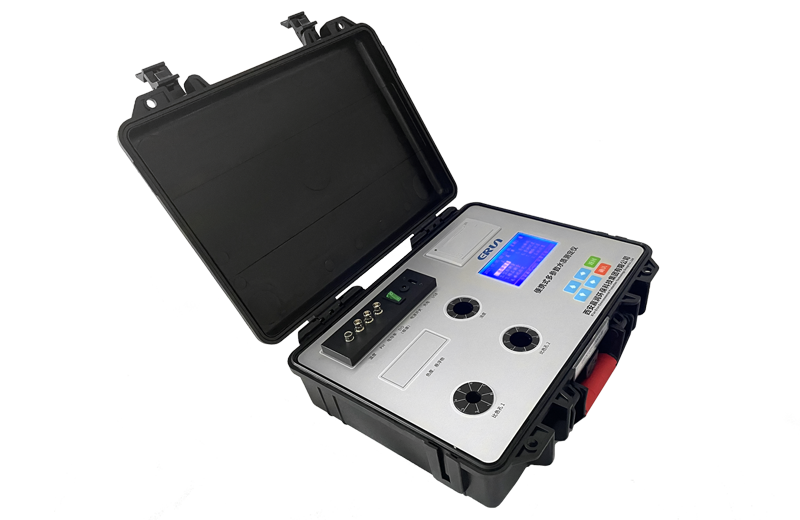
The ERUN-SP7 portable multi-parameter water quality detector is designed to meet the growing demand for flexible and accurate nitrate testing in water quality monitoring.
Supports nitrate testing along with COD, TSS, ammonia nitrogen, total phosphorus, total nitrogen, turbidity, residual chlorine, and more
Advanced optical detection with automatic wavelength selection
Expandable and customizable parameters based on user requirements
Portable design ideal for field testing and emergency monitoring
Suitable for drinking water, surface water, groundwater, and wastewater
By combining multiple parameters into one device, ERUN-SP7 reduces equipment costs and simplifies monitoring workflows.
Implementing routine nitrate testing provides long-term advantages:
Early detection of contamination risks
Improved water treatment efficiency
Better environmental protection strategies
Increased public trust in water safety
Reduced operational and compliance risks
For industries and municipalities alike, nitrate testing is not optional—it is essential.
Understanding why nitrate testing is important is the first step toward safer water and healthier ecosystems. With increasing agricultural activity, urbanization, and industrial discharge, nitrate contamination risks continue to rise.
Using modern tools like the ERUN-SP7 portable multi-parameter water quality detector, organizations can achieve accurate, efficient, and compliant nitrate monitoring wherever it is needed.
Looking for a reliable nitrate testing solution tailored to your application?
Email us at stella@xayingrun.com or WhatsApp: +86-18189135710
Our experts are ready to help you choose the right water quality analyzer.


