




Phosphates are one of the most closely monitored nutrients in water systems. When phosphate levels rise above acceptable limits, they can trigger environmental damage, disrupt industrial processes, and complicate water treatment operations. Understanding what causes phosphates in water is the first step toward effective control and accurate testing.
This article explains the origin of phosphates, their entry into water systems, the risks they pose, and how modern testing solutions help identify and manage phosphate contamination more efficiently.
Phosphates are compounds containing phosphorus combined with oxygen. In water systems, they commonly appear as inorganic phosphates, organic phosphates, or as part of total phosphorus measurements. While phosphorus is a naturally occurring element, elevated phosphate concentrations often indicate human activity.
In water quality analysis, phosphate is typically measured separately from total phosphorus to better understand pollution sources and nutrient behavior.
Excess phosphates act as nutrients for algae and aquatic plants. When levels become too high, they accelerate biological growth, creating imbalances that affect water clarity, oxygen levels, and overall ecosystem health. For industrial users, phosphates can interfere with treatment chemicals, scaling control, and regulatory compliance.
Phosphate contamination comes from both natural and human-related sources. Identifying the origin is crucial for effective control.
Some phosphates enter water naturally through the weathering of rocks and soil. As minerals slowly break down, small amounts of phosphorus dissolve into groundwater and surface water. These natural contributions are usually low and stable.
However, in areas with phosphate-rich geology, background levels may be higher and require monitoring to distinguish natural conditions from pollution.
Agriculture is one of the largest contributors to elevated phosphate levels in the environment. Fertilizers applied to crops contain phosphorus to promote plant growth. During rainfall or irrigation, excess fertilizer can wash off fields and enter nearby streams, rivers, and lakes.
Livestock operations also contribute phosphates through animal waste, which can seep into soil or be carried into water systems without proper management.
Household detergents, cleaning products, and food processing waste often contain phosphates. When wastewater treatment systems are overloaded or inefficient, these phosphates are discharged into surface water.
Industrial sectors such as chemical manufacturing, metal treatment, and food production can also release phosphates if wastewater is not adequately treated before discharge.
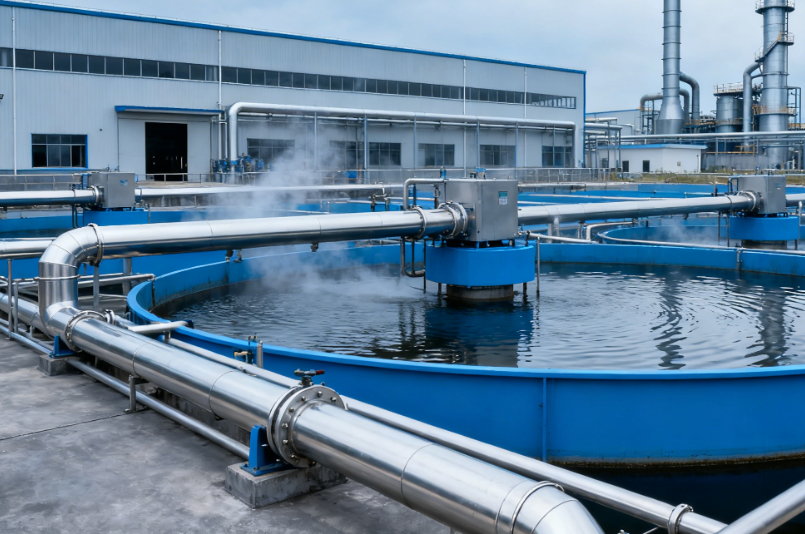
Surface water is particularly vulnerable to phosphate contamination due to runoff. Urban stormwater, agricultural drainage, and untreated effluent can carry phosphates directly into lakes and rivers, where they accumulate over time.
Once present, phosphates are difficult to remove naturally and tend to persist in sediments.
Although drinking water treatment removes many contaminants, phosphates can still enter distribution systems through source water or aging infrastructure. In some cases, phosphates are intentionally added in controlled amounts to reduce pipe corrosion, making accurate monitoring essential.
The most visible consequence of high phosphate levels is eutrophication. This process causes excessive algae growth, which blocks sunlight and consumes oxygen when algae decompose. Low oxygen levels threaten fish and aquatic organisms, leading to ecosystem degradation.
For industrial water users, high phosphate concentrations can affect boiler systems, cooling towers, and wastewater treatment performance. Regulatory limits on phosphorus discharge are becoming stricter, increasing the need for reliable testing and documentation.
Traditional phosphate testing includes laboratory spectrophotometric analysis and basic test kits. While laboratory testing is accurate, it is time-consuming and unsuitable for frequent field measurements.
Manual test kits offer speed but often lack precision and repeatability, especially when multiple parameters need to be monitored.
Modern water management increasingly relies on portable multi-parameter water quality testers. These instruments allow users to measure phosphates alongside related parameters such as COD, ammonia nitrogen, and turbidity, providing a clearer picture of water quality conditions in real time.
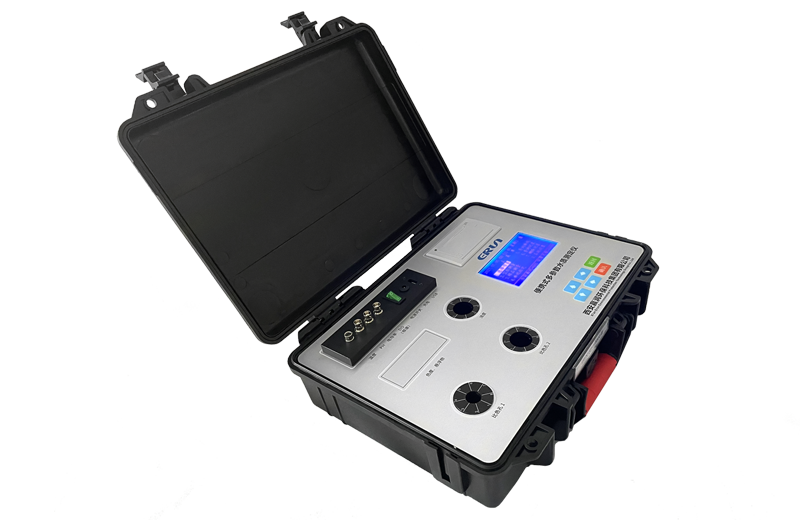
The ERUN-SP7, developed by Erun, is a portable multi-parameter water quality tester designed for flexible on-site testing. It supports a wide range of water quality indicators relevant to phosphate analysis and source identification.
ERUN-SP7 can measure phosphate and total phosphorus, along with COD, ammonia nitrogen, total nitrogen, turbidity, and multiple heavy metals. The instrument allows users to expand and customize testing parameters according to monitoring requirements.
Repeatability: ≤ 3%
Optical stability: absorbance drift < 0.002A in 20 minutes
Multiple reading modes: concentration, absorbance, and transmittance
These features ensure consistent results across repeated measurements, even in field conditions.
By measuring phosphate together with related indicators such as COD and nitrogen compounds, ERUN-SP7 helps users determine whether phosphates originate from agricultural runoff, industrial discharge, or domestic wastewater. This multi-parameter approach supports faster decision-making and more targeted corrective actions.
Contact us today to get detailed specifications or request a quotation:
Email: stella@xayingrun.com
WhatsApp:(+86-18189135710)
Phosphates in water come from a combination of natural processes, agricultural activities, and wastewater discharges. When left unmanaged, high phosphate levels threaten ecosystems and complicate industrial water treatment.
Accurate monitoring is essential to identify phosphate sources and maintain compliance. Portable, expandable solutions like the ERUN-SP7 multi-parameter water quality tester provide practical support for professionals responsible for water quality control across environmental, industrial, and municipal applications.


