




In the realm of water chemistry, phosphorus is often described as a "nutrient paradox." It is a fundamental building block for life, yet when it enters our waterways in excess, it transforms into a potent pollutant. For plant managers and environmental engineers, the question "what is phosphate in wastewater" is more than academic—it is a matter of regulatory compliance and ecological survival. As global discharge limits tighten, the need for precise measurement accuracy in detecting these compounds has never been higher.
To fully understand what is phosphate in wastewater, we must categorize it into three distinct chemical forms:
Orthophosphates: Often called "reactive phosphorus," this is the form most readily available for biological uptake and is the primary target of most wastewater treatment plants.
Polyphosphates: These are complex molecules commonly used in detergents and as scale inhibitors in industrial cooling systems.
Organic Phosphorus: This is phosphorus bound to organic matter, such as human waste or food debris.
While much of the phosphate in municipal sewage comes from residential waste and cleaning products, industrial contributions are significant. For instance, monitoring the phosphate content in boiler water is a standard practice in thermal power plants to prevent scale. When this water is eventually discharged or "blown down," it contributes to the overall phosphorus load that must be treated.
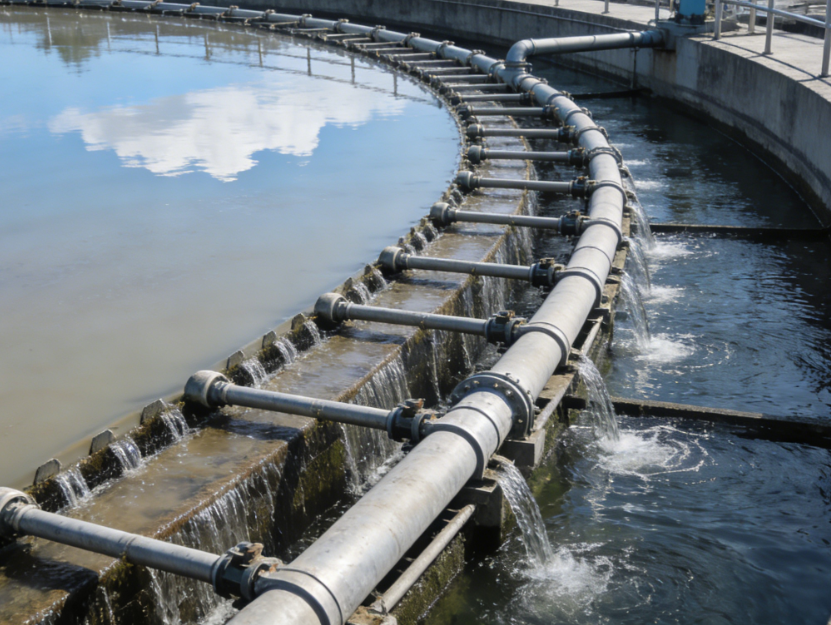
Why is there so much focus on what is phosphate in wastewater? The answer lies in "Eutrophication." When treated water with high phosphate levels enters lakes or rivers, it acts as a fertilizer for algae. These massive algae blooms deplete oxygen levels, leading to "Dead Zones" where fish and aquatic life cannot survive. To prevent this, wastewater treatment plants are held to strict parts-per-million (ppm) standards, making reliable laboratory testing an absolute necessity.
Testing for phosphate in a lab environment is notoriously difficult. Wastewater is rarely "clean"; it contains turbidity, suspended solids, and other chemicals that interfere with light-based sensors. Traditional manual testing requires technicians to meticulously clean glassware and precisely mix reagents—a process where even a small "human error" can lead to a massive compliance violation. Furthermore, the time-cost of manual cleaning slows down the feedback loop, leaving operators guessing about their process efficiency
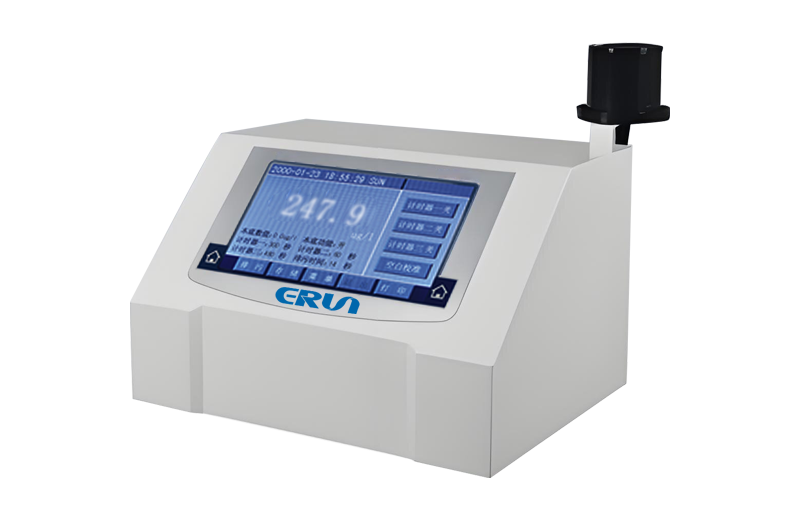
If your laboratory is struggling with throughput or inconsistent data, the ERUN-ST3-E3 water quality phosphate analyzer offers a transformative solution. Developed by Erun Environmental Protection, this benchtop instrument replaces manual uncertainty with advanced optical technology.
One-Click Measurement: Your lab team no longer needs to be composed of specialized chemists to get perfect results. The ERUN-ST3-E3 features a one-click measurement system that automates the analysis, ensuring that your data remains objective and repeatable.
Automatic Cleaning Function: Manual scrubbing of cuvettes is the leading cause of "carry-over" contamination. The ERUN-ST3-E3 includes an automatic cleaning cycle after every test. This ensures the optical path is pristine for the next sample, drastically reducing maintenance downtime.
Simultaneous Solution Measurement: To combat the problem of turbidity in wastewater, this analyzer measures both the reference and colorimetric solutions simultaneously. This "dual-path" technology cancels out background interference, providing measurement accuracy that manual kits simply cannot match.
Fast Measurement Mode: For facilities managing high sample volumes, the fast mode improves efficiency and reduces time costs, allowing your staff to focus on solving treatment issues rather than washing glassware.
The versatility of the ERUN-ST3-E3 makes it an ideal partner for the power industry. Beyond sewage, it is perfectly suited for measuring the phosphate content in boiler water. By providing rapid, accurate readings, it helps engineers maintain the delicate balance required to protect high-pressure boilers from corrosion while ensuring that any discharged water meets environmental safety standards.
Understanding what is phosphate in wastewater is the first step in protecting our water resources. However, understanding alone isn't enough—you need the tools to act. By integrating a high-precision, automated tool like the ERUN-ST3-E3 into your laboratory, you ensure that your facility remains compliant, efficient, and environmentally responsible.


