




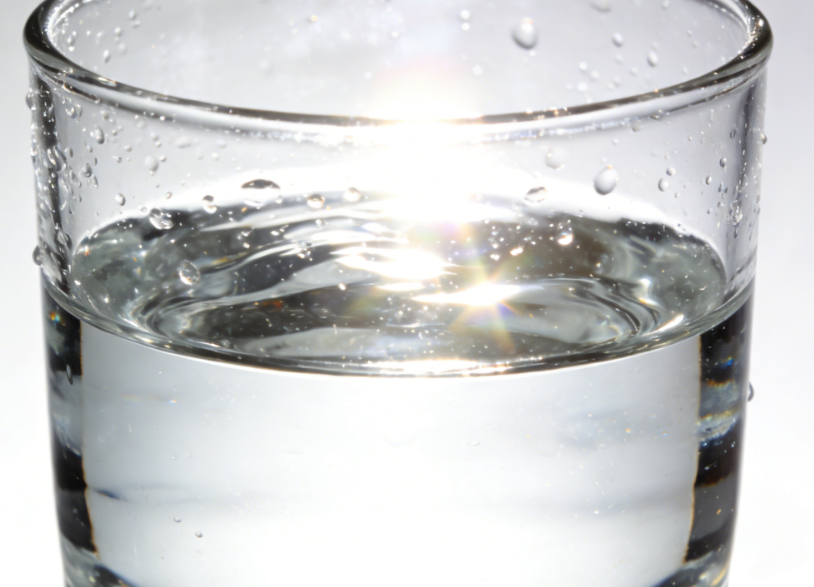
When you pour a glass of water, you expect it to be crystal clear. That "cloudiness" you sometimes see is known as turbidity, a key indicator of water quality analysis. But what is the best turbidity for drinking water? While visible cloudiness in water is unappealing, the real danger lies in what you can’t see—the microscopic particles that harbor bacteria. Ideally, treated drinking water should be more than 5 NTU, ensuring it is both safe and palatable. To maintain these rigorous NTU standards, professionals rely on advanced tools like the ERUN-ST7 multi-parameter water quality tester to guarantee precision in every drop.
Turbidity is the measure of relative clarity in a liquid. It is an optical characteristic that describes how much light is scattered by suspended material.
In technical terms, turbidity measurement is recorded in Nephelometric Turbidity Units (NTU). High turbidity is caused by suspended solids such as silt, clay, finely divided inorganic and organic matter, algae, and other microscopic organisms. These particles act as "obstacles" for light, giving the water a murky appearance.
Cloudiness in water isn't just a cosmetic issue. Suspended particles provide a "shield" for heavy metals and pathogens like E. coli or Cryptosporidium. If turbidity is too high, disinfection processes—such as chlorination or UV light—become less effective because the "clouds" literally hide the bacteria from the treatment.
Regulatory bodies have strict WHO drinking water guidelines to ensure public safety.
So, what is the best turbidity for drinking water?
At the Treatment Plant: To ensure effective pathogen removal, the EPA requires that 95% of daily samples be less than or equal to 0.3 NTU.
At the Tap: Water is generally considered high-quality when it stays below 5 NTU.
Most humans only begin to notice cloudiness in water when levels exceed 5 NTU. By the time you can see the problem, the water may already be a risk. This is why consistent turbidity measurement is vital for private wells and municipal supplies alike.
For those managing municipal supplies, food production, or laboratory research, guessing isn't an option. You need a solution that simplifies complex testing.
The ERUN-ST7 multi-parameter water quality tester is designed specifically to solve the challenge of fragmented testing. Instead of juggling multiple devices, the ERUN-ST7 provides a centralized, desktop solution. It utilizes both optical methods for clarity and electrode methods for chemical balance, allowing you to customize your setup based on your specific environmental needs.
To truly understand what is the best turbidity for drinking water, you often need to look at the "big picture." The ERUN-ST7 provides a comprehensive solution by monitoring over 80 parameters, including COD, ammonia nitrogen, residual chlorine, and PH. Its high optical stability (absorbance drift ≤0.002A/20min) ensures that your NTU readings are laboratory-grade and reliable for regulatory reporting.
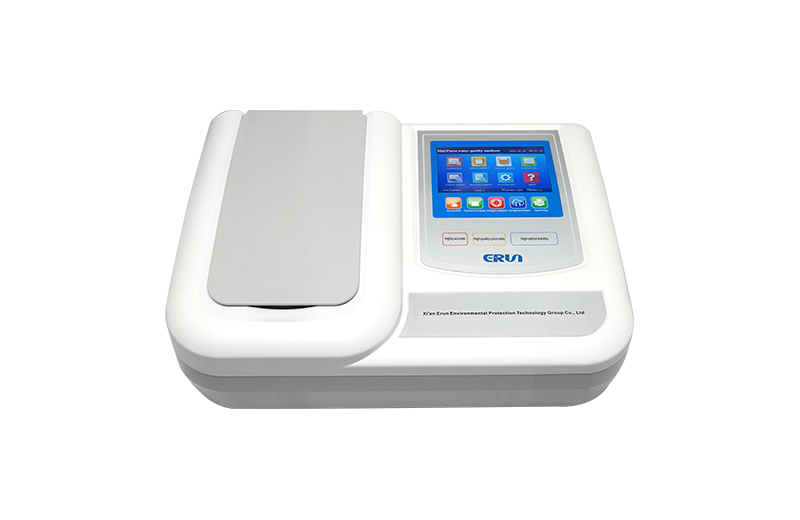
Maintaining NTU standards requires a repeatable process. The ERUN-ST7 makes this easy for operators:
Automation: The device automatically selects the correct wavelength, reducing human error.
Ease of Use: A large-screen color touch screen with an English interface guides the user through the process.
Data Management: With the capacity to store 100,000 records and upload them to a computer, complying with EPA drinking water guidelines becomes a seamless digital task rather than a paperwork headache.
Ensuring the best turbidity for drinking water is a critical marriage of strict regulatory adherence and high-precision technology. Whether you are aiming for the WHO-recommended not more than 5 NTU or managing complex industrial wastewater, the clarity of your water defines the safety of your output.
By integrating the ERUN-ST7 multi-parameter water quality tester into your workflow, you gain more than just data—you gain the peace of mind that comes with professional-grade accuracy and comprehensive water safety control.


