




Disinfectant testing is the process of evaluating the effectiveness and concentration of chemical disinfectants in water. Disinfectants such as chlorine, chloramines, and chlorine dioxide are critical for eliminating harmful microorganisms, including bacteria, viruses, and protozoa. Proper disinfectant testing ensures that water is safe for drinking, swimming, industrial use, or medical applications.
The main purpose of disinfectant testing is to maintain safe, clean, and hygienic water. Without consistent testing, water can be under-disinfected, which poses health risks, or over-disinfected, which may lead to taste, odor issues, and chemical overexposure.
l Protects Public Health
Proper disinfectant testing ensures that water contains sufficient residual chlorine or other disinfectants to inactivate pathogens effectively. Maintaining safe disinfectant levels reduces the risk of diseases caused by E. coli, Giardia, Cryptosporidium, and other microorganisms.
l Regulatory Compliance
Agencies like EPA, WHO, and local authorities set strict standards for water quality. Routine disinfectant testing ensures that water systems comply with these standards, avoiding penalties and maintaining public trust.
l Optimizes Chemical Use
Excessive disinfectant usage can increase operational costs and generate harmful by-products like trihalomethanes (THMs). Accurate disinfectant testing enables facilities to optimize chemical use while maintaining safe water quality.
l Continuous Monitoring
Disinfectant levels in water can fluctuate due to pH, temperature, or organic matter. Regular disinfectant testing allows for early detection of deviations, enabling adjustments to treatment processes before water quality is compromised.
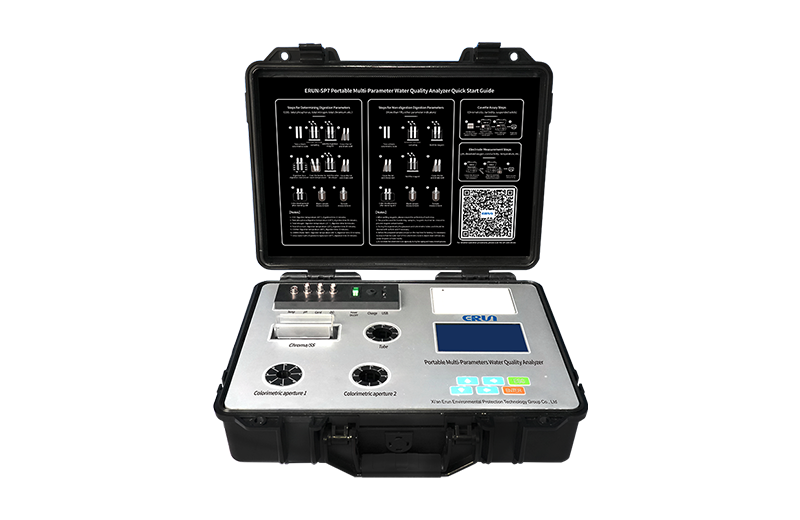
Disinfectant testing can be performed through titration, colorimetric assays, or advanced instrument-based methods. Among these, the ERUN-SP7 portable multi-parameter water quality testers provide high efficiency and precision for modern water quality management.
A recommended solution is the ERUN-SP7 Portable Multi-Parameter Water Quality Tester. This device is designed for on-site water quality testing, capable of measuring a wide range of parameters, including residual chlorine, total chlorine,
Key features of the ERUN-SP7 include:
1. Wide measurement range: Residual chlorine (0.02–10 mg/L) and total chlorine (0.02–10 mg/L) with high accuracy.
2. Portable and convenient: Compact (4 kg) for field water quality testing.
3. Multi-parameter capability: Simultaneously measures disinfectants and other critical water quality indicators.
4. High precision: Repeatability of 3% and excellent optical stability ensures reliable results.
5. User-friendly interface: 5-inch LCD screen displays concentration and absorbance directly.
6. Advanced data handling: Stores 100 curves and 1999 data points; built-in printer and USB export.
7. Customizable and expandable: Additional testing parameters can be added as needed.
Using the ERUN-SP7, operators can perform fast and accurate disinfectant testing, gather comprehensive water quality data, and ensure compliance with regulations.
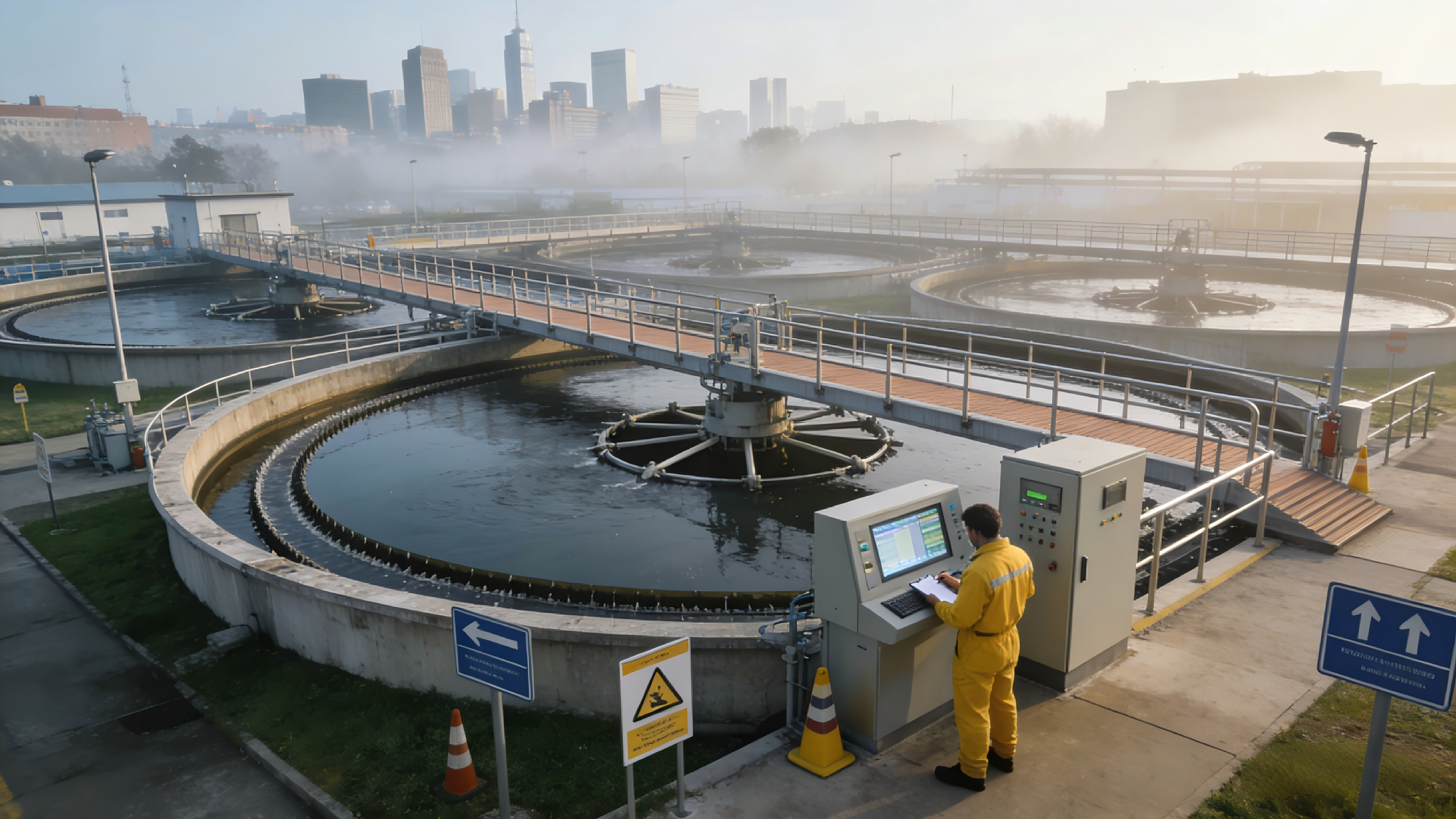
l Drinking Water Systems – Monitors residual chlorine and other disinfectants to protect public health.
l Swimming Pools and Recreational Water – Maintains proper free chlorine and total chlorine levels to prevent infections and irritation.
l Hospitals and Laboratories – Guarantees safe water for medical and research applications.
l Industrial Water Systems – Prevents biofilm formation, corrosion, and contamination by monitoring disinfectant levels.
With portable water quality testers like the ERUN-SP7, water operators can conduct on-site testing efficiently, detect deviations immediately, and adjust treatment processes in real time.
Disinfectant testing is a vital part of ensuring safe water quality. It protects public health, ensures regulatory compliance, optimizes chemical use, and provides continuous water quality monitoring.
Advanced tools such as the ERUN-SP7 Portable Multi-Parameter Water Quality Tester make disinfectant testing fast, accurate, and versatile. The ERUN-SP7 measures not only residual chlorine and total chlorine, but also other essential water quality parameters, enabling operators to maintain the highest standards of water safety.
Investing in reliable disinfectant testing equipment ensures that water remains safe, clean, and fully compliant across municipal, recreational, and industrial applications.


