




Microbial contamination remains one of the most critical challenges affecting drinking water safety worldwide, particularly in regions with decentralized water supplies, aging infrastructure, or warm and humid climates. Pathogenic microorganisms such as bacteria, viruses, and protozoa can enter drinking water systems through multiple pathways, posing serious risks to public health. International frameworks such as the Guidelines for Drinking-water Quality issued by the World Health Organization and regulatory systems under the Safe Drinking Water Act (SDWA) emphasize microbiological safety as a non-negotiable requirement for potable water. Understanding the causes of microbial contamination and applying appropriate testing methods are essential steps toward effective water quality management.
Microbial contamination typically originates from fecal matter entering water sources. Surface water bodies are especially vulnerable due to direct exposure to human activities, livestock operations, and wildlife. During heavy rainfall or flooding events, untreated sewage and agricultural runoff can carry large numbers of microorganisms into rivers, reservoirs, and shallow wells.
Groundwater, often perceived as naturally protected, is not immune to microbial risks. Poorly constructed wells, damaged wellheads, and proximity to latrines or septic systems can allow pathogens to migrate into aquifers. In rural and peri-urban areas, decentralized water supply systems frequently lack consistent disinfection and monitoring, increasing the likelihood of bacterial regrowth within distribution networks.
Urban drinking water systems face their own challenges. Aging pipelines, pressure fluctuations, and intermittent supply can lead to intrusion of contaminated water through leaks and cracks. Biofilm formation inside pipes further provides a favorable environment for microbial survival and multiplication, even when disinfectants are present.
Exposure to microbiologically contaminated drinking water can result in a wide range of waterborne diseases. Pathogens such as Escherichia coli, fecal coliforms, and other enteric bacteria are closely associated with gastrointestinal infections, diarrhea, dysentery, and, in severe cases, life-threatening conditions among vulnerable populations.
Because it is impractical to test drinking water for every known pathogen, regulatory authorities rely on indicator organisms. According to WHO and SDWA guidelines, the presence of E. coli or thermotolerant coliforms in drinking water indicates fecal contamination and signals an unacceptable health risk. In compliant drinking water supplies, these indicators must not be detectable in defined sample volumes.
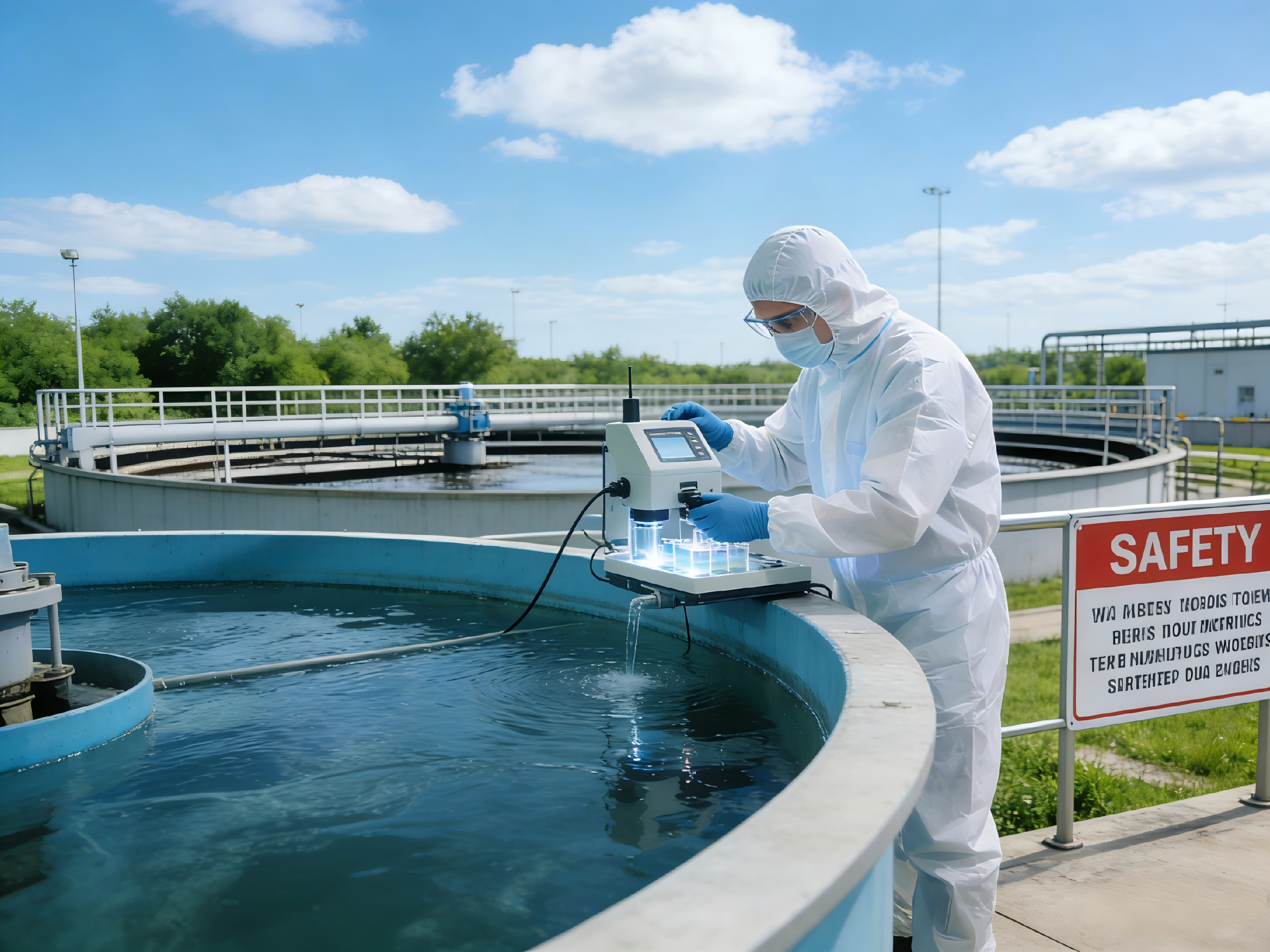
International drinking water standards consistently prioritize microbiological safety. The WHO guidelines specify that drinking water should be free from organisms that pose a health risk, with zero tolerance for E. coli and fecal coliforms. Similarly, under the Safe Drinking Water Act in the United States, public water systems must meet strict microbiological criteria, including routine monitoring for total coliforms and immediate corrective actions when violations occur.
These standards highlight the need for continuous and reliable microbiological testing, not only at treatment plants but also at distribution points, storage facilities, and end-user locations.
Microbiological testing methods are designed to detect and quantify indicator organisms efficiently and accurately. Commonly used techniques include membrane filtration, multi-tube fermentation, enzyme substrate methods, and plate count techniques. Each method serves a specific purpose depending on the target microorganism, detection limits, and testing environment.
The table below outlines key microbial indicators and commonly accepted detection approaches:
Microbial Indicator | Typical Method | Regulatory Expectation |
Total bacterial count | Plate count method | ≤ 100 CFU/mL |
Total coliforms | Multi-tube fermentation / enzyme substrate | Not detectable |
Fecal coliforms | Multi-tube fermentation | Not detectable |
Escherichia coli | Enzyme substrate method | Not detectable |
While laboratory-based testing remains the benchmark, field-deployable solutions are increasingly important for rapid decision-making, especially in remote or resource-limited settings.
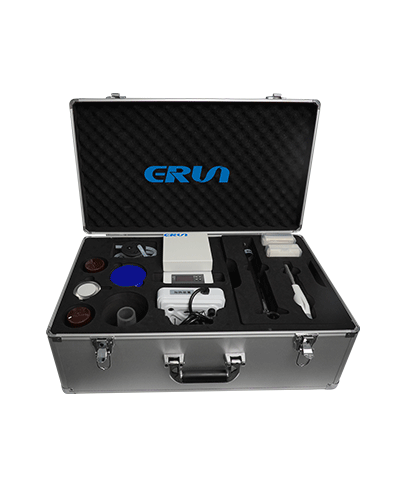
To meet the growing demand for flexible and reliable field testing, portable microbiological analyzers have become an essential part of modern water quality monitoring strategies. The ERUN-SP3-L Portable Water Quality Microorganism Tester is designed to support efficient on-site detection of key microbiological indicators in drinking water.
Equipped with a multi-functional media holder system, the ERUN-SP3-L can adapt to various prefabricated and dry powdered culture media, enabling accurate detection of total bacterial counts, total coliforms, fecal coliforms, and E. coli. Its integrated incubation system supports a wide temperature control range, allowing customized culture conditions for different testing requirements.
The built-in automatic vacuum pump and filtration kit facilitate rapid sample preparation using 0.45 μm membrane filters, significantly improving field efficiency. Data recording and transfer functions further enhance traceability and compliance with regulatory documentation needs. These features make the ERUN-SP3-L suitable for applications ranging from rural drinking water safety monitoring and municipal tap water quality control to swimming pool hygiene assessment and decentralized water supply surveillance.
Microbial contamination in drinking water is a dynamic and ongoing risk that demands proactive management. Reliable testing, aligned with WHO guidelines and SDWA requirements, forms the foundation of effective water safety strategies. By combining scientifically established detection methods with portable, user-friendly technologies, water authorities and operators can respond more quickly to contamination events, safeguard public health, and maintain confidence in drinking water supplies across diverse environments.


