




Phosphorus is a key nutrient in aquatic systems, but excessive concentrations can compromise water quality, promote eutrophication, and affect treatment efficiency. In drinking water and wastewater monitoring, accurate quantification of total phosphorus (TP) is critical for regulatory compliance and environmental protection. The total phosphorus analysis method refers to a standardized analytical process that converts all forms of phosphorus in a sample into measurable orthophosphate, enabling precise determination of its concentration. Understanding this method is essential for laboratories, water utilities, and industrial facilities operating under international standards such as the World Health Organization Guidelines for Drinking-water Quality, the Safe Drinking Water Act, and China’s GB 5749-2022.
Phosphorus in water exists in multiple forms, including dissolved orthophosphate, condensed phosphates, and organically bound phosphorus. Routine phosphate tests measure only reactive orthophosphate, while total phosphorus analysis captures all forms after digestion. This comprehensive measurement is vital because regulatory frameworks emphasize the control of nutrient pollution in source water and treated effluent.
Although phosphorus is not typically assigned a strict maximum contaminant level in finished drinking water under the SDWA, it is closely monitored in source waters to prevent algal blooms that may lead to taste, odor, and toxin issues. Similarly, GB 5749-2022 highlights nutrient management in drinking water systems to maintain overall water quality stability. The WHO guidelines stress risk-based water safety management, where nutrient monitoring supports preventive control strategies.
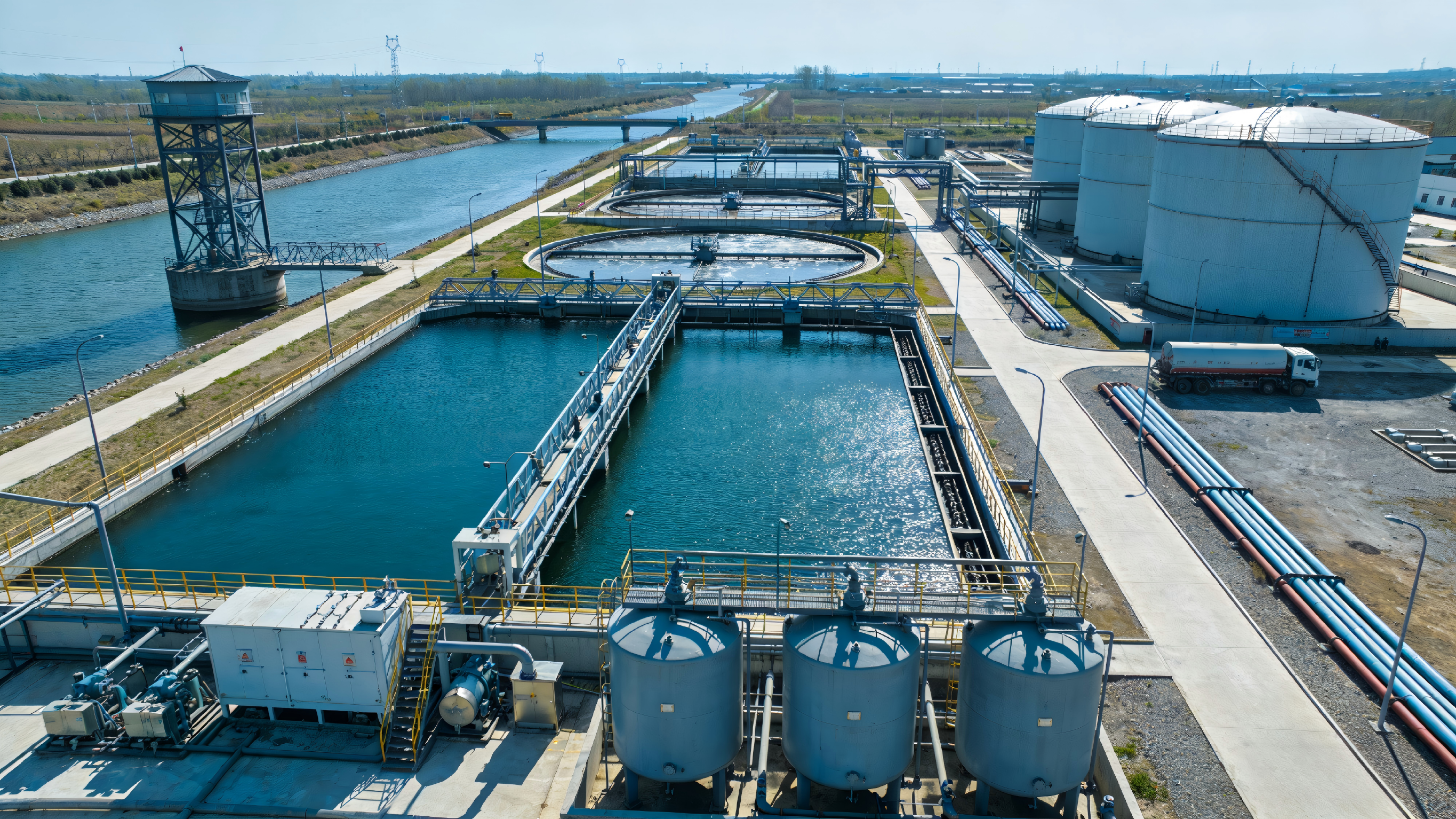
The total phosphorus analysis method generally consists of two fundamental stages: digestion and detection.
1. Digestion Process
All phosphorus compounds must be converted into orthophosphate before measurement. This is achieved through chemical digestion, typically using:
l Potassium persulfate oxidation
l Acid digestion under high temperature
l UV-assisted digestion in some automated systems
During digestion, samples are heated—often around 120°C—for a defined period (commonly 30 minutes) to ensure complete oxidation. Precise temperature control is essential because incomplete digestion can lead to underestimation, while overheating may degrade reagents.
After digestion, orthophosphate reacts with ammonium molybdate under acidic conditions to form a phosphomolybdate complex. This complex is then reduced to produce a blue-colored compound, commonly known as the molybdenum blue method. The intensity of the blue color is proportional to phosphorus concentration and is measured spectrophotometrically.
Method Type | Application | Advantages | Limitations |
Persulfate Digestion + Spectrophotometry | Drinking water, wastewater | High accuracy, widely standardized | Requires heating and digestion time |
UV Digestion + Online Analyzer | Continuous monitoring | Automated, real-time data | Higher equipment cost |
Manual Colorimetric Test Kits | Field testing | Portable and simple | Lower precision |
Laboratory-based methods remain the reference approach for compliance reporting, while online analyzers support continuous monitoring in treatment plants.
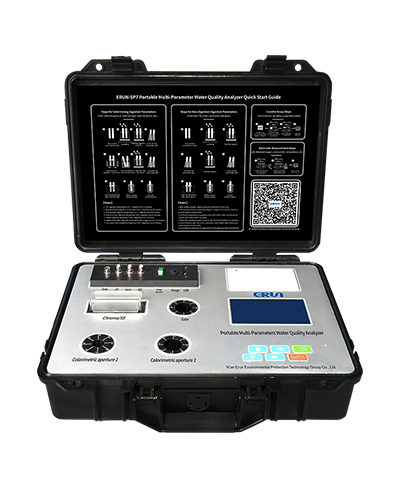
For accurate regulatory reporting, analytical instruments must meet strict performance indicators. The ERUN-SP7-P1 Total Phosphorus Analyzer is designed to deliver high-precision and stable performance:
1.Measuring range: 0.02–2.00 mg/L and 2.00–10.00 mg/L (expandable by dilution)
2.Error range: ≤ ±5%
3.Repeatability: ≤ 2%
4.Anti-chlorine interference: up to 2000 mg/L
5.Temperature control accuracy: ±0.5°C
6.Digestion temperature: 120°C ±10°C
7.Digestion time: 30 minutes
Operational stability is equally important. Instruments should function in ambient temperatures between 5–40°C and relative humidity ≤85%, powered by AC (220±22)V at 50 Hz. Testing conditions should avoid vibration, electromagnetic interference, and direct sunlight to ensure consistent performance.
Modern analyzers further enhance reliability with imported light sources for higher optical precision, corrosion-resistant ABS housing, low energy consumption design, and large-scale data storage. Color touch screens and bilingual operation improve usability in international projects.
Water utilities apply total phosphorus testing at multiple stages:
l Source water monitoring to detect nutrient enrichment
l Coagulation optimization in treatment plants
l Effluent discharge compliance
l Industrial wastewater pre-treatment control
Accurate TP data supports chemical dosing decisions and helps prevent secondary contamination issues. In regions implementing water safety plans aligned with WHO recommendations, nutrient monitoring is integrated into preventive risk management.
The total phosphorus analysis method remains a cornerstone of water quality assessment because it provides a comprehensive measurement of all phosphorus forms in a sample. From laboratory compliance testing to automated plant monitoring, its digestion and colorimetric principles ensure reliable, standardized results across global regulatory frameworks. Selecting high-precision analytical equipment with stable temperature control, low interference characteristics, and strong repeatability ensures that phosphorus monitoring meets both operational and regulatory expectations in modern water treatment systems.


