




Understanding chloride levels in water ppm is essential for ensuring safe drinking water, protecting infrastructure, and maintaining industrial process stability. Whether you are a municipal water manager, plant operator, environmental engineer, or quality control professional, knowing the acceptable chloride ppm range — and how to test it accurately — directly impacts safety, compliance, and cost control.
In this guide, we explain what chloride ppm means, safe limits for different applications, potential risks of high chloride, and how modern portable testing solutions can improve your water quality management process.
Chloride is a naturally occurring ion commonly found in water sources. It originates from:
Dissolved salts in soil and rocks
Seawater intrusion in coastal areas
Road de-icing salts
Industrial discharge and wastewater
When we refer to chloride ion concentration, it is typically measured in ppm (parts per million). In water testing, 1 ppm equals approximately 1 milligram per liter (mg/L).
PPM provides a precise way to quantify chloride content and evaluate whether water meets regulatory or operational standards.
The acceptable chloride range depends on the application.
For drinking water, many regulatory agencies set a secondary (aesthetic) chloride ppm limit of around 250 ppm. This is not primarily a health-based limit, but rather related to taste:
Below 250 ppm: Generally no noticeable salty taste
Above 250 ppm: Salty flavor becomes more noticeable
Significantly higher levels: Increased consumer dissatisfaction
Monitoring chloride levels in water ppm is essential for municipal water suppliers to maintain public confidence and comply with regulatory expectations.
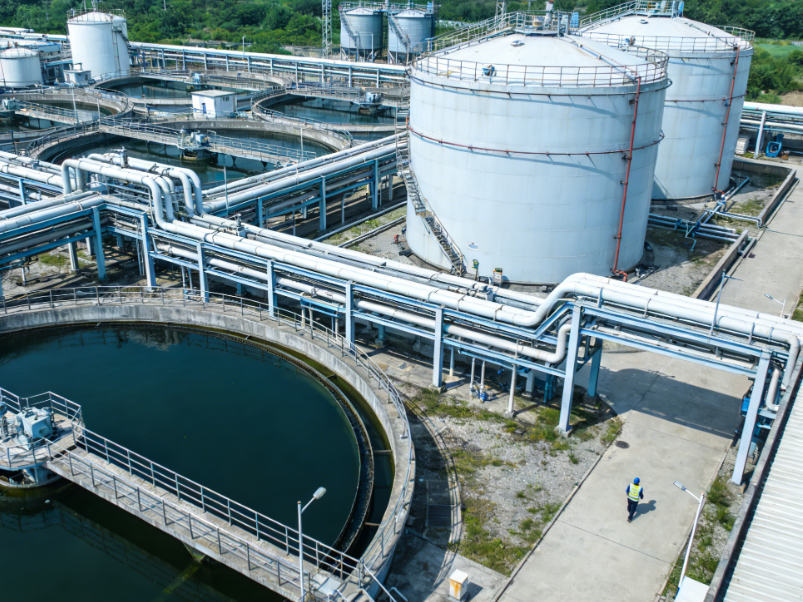
In industrial environments, the tolerance for chloride is often much lower. High chloride in process water can:
Accelerate corrosion in boilers and cooling systems
Damage pipelines and heat exchangers
Increase maintenance costs
Reduce equipment lifespan
Industries such as thermal power generation, petrochemicals, pharmaceuticals, and food production require tight control of chloride ion concentration to protect equipment and ensure product consistency.
Chloride itself is not highly toxic at typical drinking water concentrations, but elevated levels affect taste quality. For water suppliers, aesthetic complaints can damage public trust.
High chloride accelerates metal corrosion, especially in:
Steel pipes
Boilers
Cooling towers
Heat exchangers
Over time, this can result in leaks, structural weakness, and costly repairs.
For industries such as biotechnology, fermentation, or food processing, water chemistry stability is critical. Variations in chloride levels in water ppm may compromise product quality or process efficiency.
This is why routine water quality testing is not optional—it is a fundamental operational necessity.
Traditional chloride analysis often relies on laboratory titration methods. While accurate, these methods have clear disadvantages:
Time-consuming procedures
Delayed results
Dependence on centralized labs
Limited field flexibility
For facilities that require frequent testing or rapid decision-making, laboratory delays can create operational risk.
Real-time, on-site measurement allows immediate corrective action, improving efficiency and reducing costly downtime.
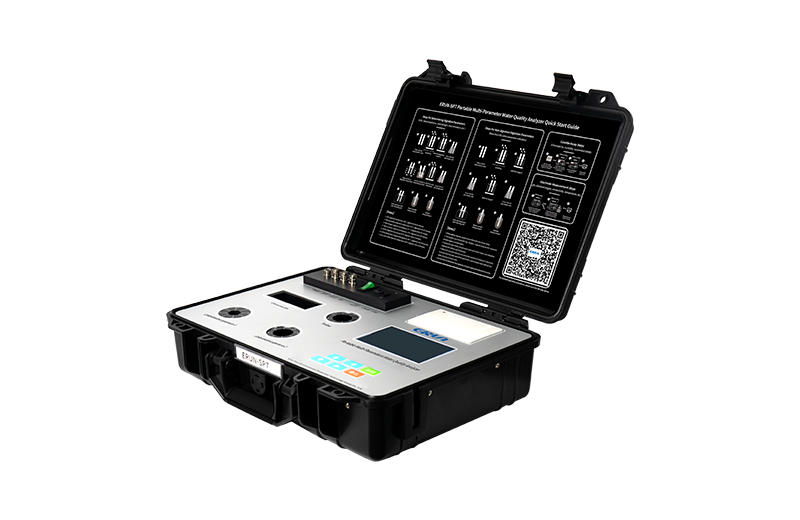
For professionals who need reliable field results, the ERUN-SP7-C4 Portable Water Chloride Tester offers a practical and precise solution.
Specifically designed for rapid and accurate determination of chloride ion concentration, this instrument helps organizations move from reactive testing to proactive control.
1. Immediate On-Site Results
Instead of waiting hours or days for laboratory data, operators can measure chloride levels in water ppm directly at the sampling point. This enables:
Faster response to abnormal readings
Real-time system adjustments
Improved process stability
2. Enhanced Water Quality Management
For municipal water departments and environmental monitoring agencies, consistent on-site testing ensures compliance with drinking water standards and simplifies regulatory reporting.
3. Corrosion Prevention in Industrial Systems
Thermal power plants, petrochemical facilities, and manufacturing sites rely on low chloride concentrations to protect infrastructure. The ERUN-SP7-C4 provides convenient monitoring to support preventive maintenance strategies and extend equipment lifespan.
Monitoring chloride levels in water ppm is essential for protecting public health, preserving infrastructure, and maintaining industrial performance. While drinking water typically remains safe below established aesthetic guidelines, industrial systems often require far stricter control.
Accurate, timely testing empowers water managers and facility operators to prevent corrosion, maintain compliance, and ensure consistent water quality.
With reliable portable solutions like the ERUN-SP7-C4, organizations can transform chloride monitoring from a delayed laboratory task into an efficient, on-site quality control process—improving both safety and operational confidence.


