




Arsenic is a toxic element that can naturally occur in groundwater or enter water systems through industrial and agricultural activities. Long-term exposure to arsenic-contaminated drinking water may cause serious health problems, including skin disorders, cardiovascular disease, and cancer. Because of these risks, international regulations such as the Guidelines for Drinking-water Quality, the Safe Drinking Water Act (SDWA), and China’s GB 5749-2022 drinking water standard set the maximum allowable arsenic concentration in drinking water at 0.01 mg/L (10 μg/L). Accurate Arsenic Water Quality Testing is therefore essential for water utilities, environmental monitoring agencies, and research institutions seeking to ensure water safety and regulatory compliance.
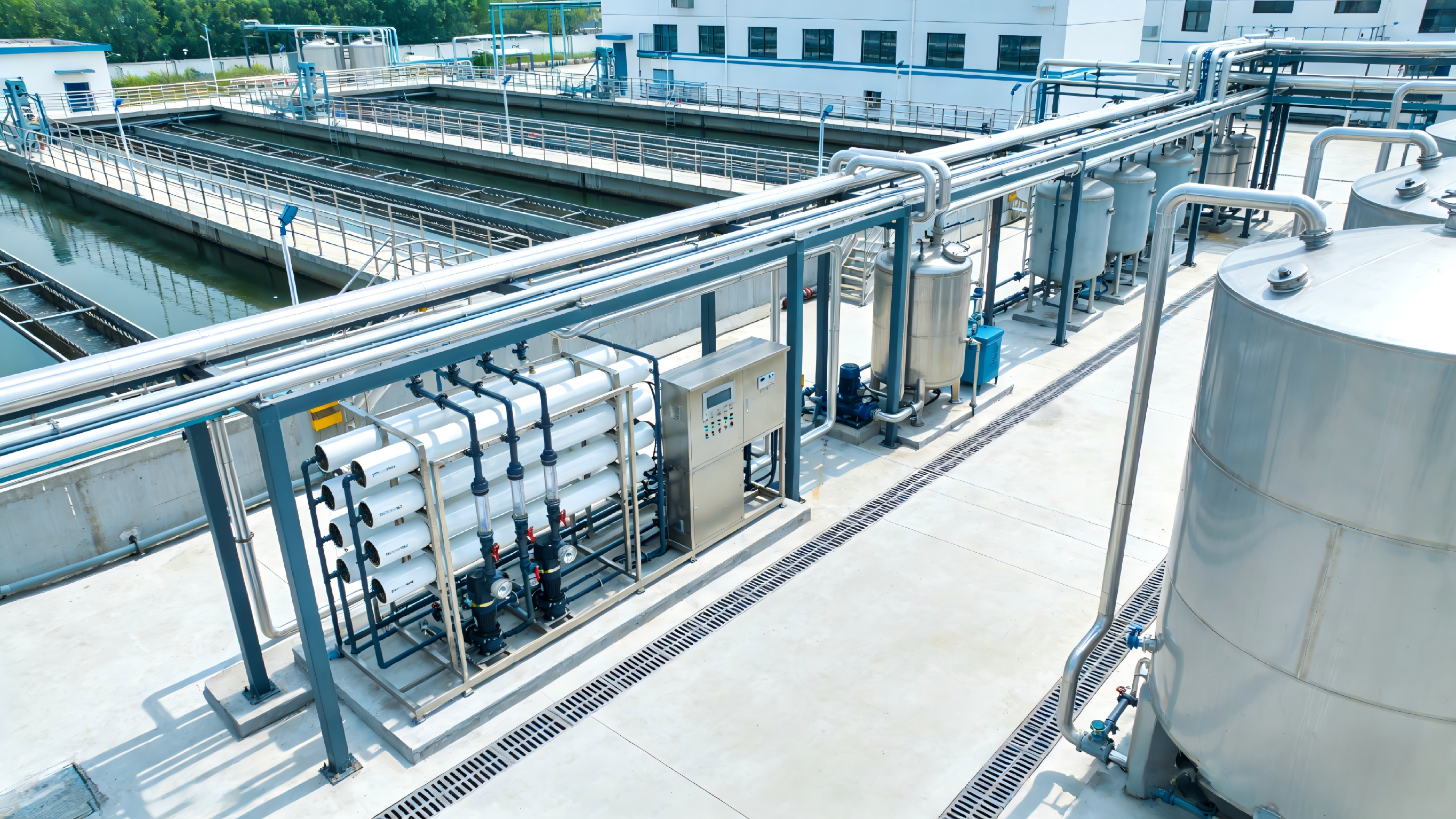
Arsenic contamination is commonly associated with geological formations, mining activities, metal smelting, and pesticide residues. In many regions, groundwater sources used for drinking water may contain trace amounts of arsenic that gradually accumulate over time.
Routine monitoring helps authorities:
Ensure drinking water meets international safety standards
Identify contamination sources in groundwater or surface water
Evaluate the effectiveness of water treatment processes
Support environmental protection and pollution control efforts
Reliable detection methods are therefore necessary to accurately measure arsenic concentrations at very low levels.
High-precision laboratory techniques are commonly used for regulatory testing and scientific analysis. These methods offer excellent sensitivity and reliability.
Method | Principle | Advantages |
Atomic Absorption Spectroscopy (AAS) | Measures light absorption by arsenic atoms | Accurate and widely used |
Hydride Generation AAS (HG-AAS) | Converts arsenic to volatile hydrides before detection | Higher sensitivity |
Inductively Coupled Plasma Mass Spectrometry (ICP-MS) | Uses plasma ionization to detect arsenic ions | Extremely low detection limits |
ICP-OES | Measures emission spectra of excited elements | Multi-element analysis |
Among these, ICP-MS is considered one of the most sensitive techniques, capable of detecting arsenic at trace levels. However, the high cost and complex operation of these instruments limit their use primarily to specialized laboratories.
Colorimetric methods are widely used for routine water testing due to their relatively simple operation and lower cost. In these methods, arsenic reacts with specific chemical reagents to produce a colored compound. The intensity of the color is then measured using a spectrophotometer, which correlates with arsenic concentration.
Advantages of these methods include:
Simple analytical procedures
Affordable equipment requirements
Suitable for routine monitoring
However, certain dissolved substances in water may interfere with the reaction, which can reduce analytical accuracy compared with advanced laboratory techniques.
Electrochemical techniques have become increasingly important in environmental monitoring because they offer both high sensitivity and portability. One of the most effective approaches is anodic stripping voltammetry (ASV).
In this method, arsenic ions are first deposited on an electrode surface during a pre-concentration step. The deposited arsenic is then stripped from the electrode through an electrochemical reaction, producing a current signal proportional to the arsenic concentration.
Electrochemical detection offers several advantages:
Low detection limits
Rapid analysis time
Minimal reagent consumption
Suitability for portable instruments
These characteristics make electrochemical techniques particularly useful for field monitoring and on-site water quality assessment.
Field monitoring often requires rapid testing without transporting samples to a laboratory. Portable analyzers provide an efficient solution by enabling real-time measurements directly at sampling sites.
The ERUN-SP5-F6 Portable Arsenic Ion Detector is designed specifically for on-site arsenic detection in water. Using the principle of anodic stripping voltammetry, the device provides high sensitivity comparable to many laboratory instruments.
Key specifications include:
Measurement range: 0.004–0.500 mg/L
Indication error: ≤ ±5%
Repeatability: ≤ 3%
Optical stability: absorption drift <0.002A within 20 minutes
The instrument features a high-brightness cold light source with a narrow-band filter system, ensuring strong optical stability and reliable results. Its compact design (80 × 230 × 55 mm) and lightweight structure (about 500 g) make it easy to carry for field investigations.
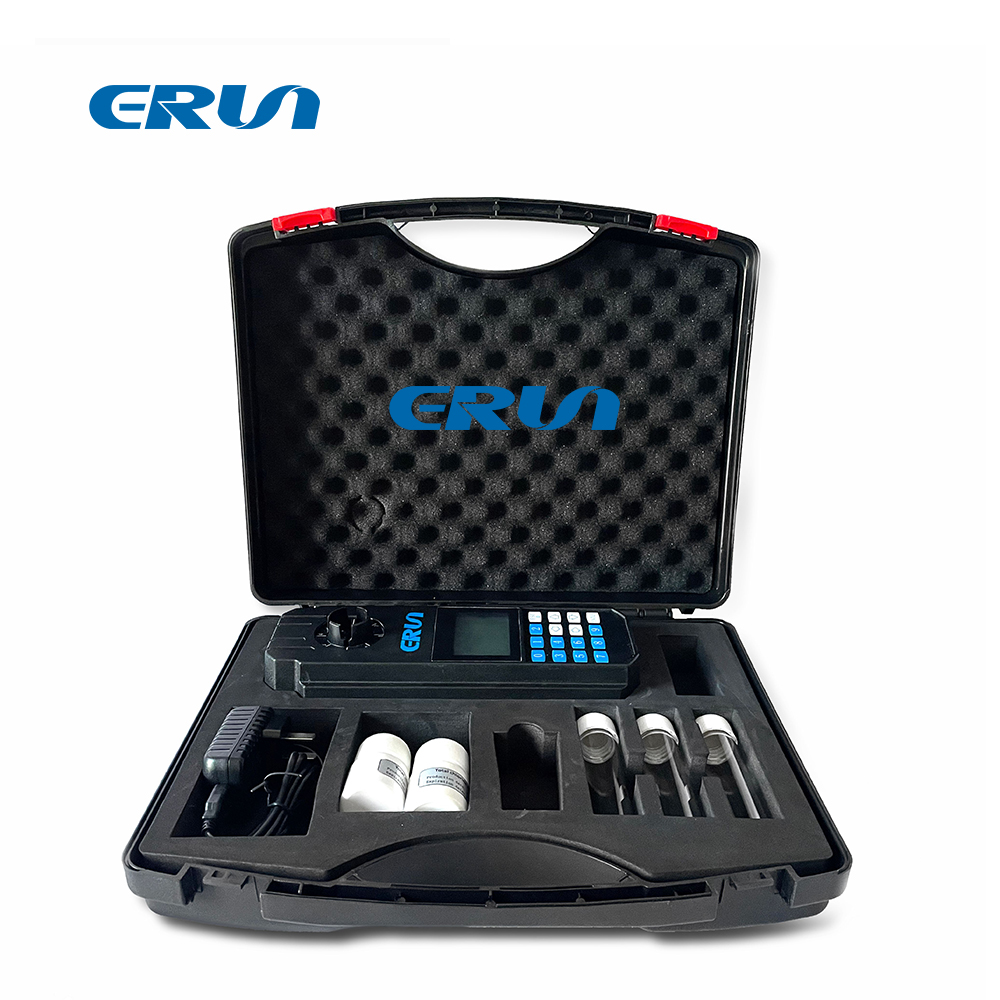
Additional features include a large LCD display, storage of 10 standard curves and 199 measurement records, and an IP65-rated ABS housing that provides resistance to dust, water, and corrosion. These characteristics allow environmental professionals to quickly identify heavy-metal pollution sources during field inspections.
Accurate Arsenic Water Quality Testing is fundamental for protecting public health and maintaining drinking water safety. Advanced laboratory technologies such as ICP-MS and AAS provide high-precision analysis, while colorimetric and electrochemical techniques offer practical solutions for routine monitoring. With the development of portable analyzers like the ERUN-SP5-F6, environmental professionals can now conduct reliable arsenic testing directly in the field, improving response speed and supporting effective water quality management.


