




Dissolved oxygen (DO) is the amount of oxygen available in water for aquatic life and other water-based processes. Unlike oxygen in the air, DO is dissolved in water and is essential for sustaining aquatic ecosystems, promoting healthy water quality, and supporting various industrial and municipal operations.
Maintaining optimal levels of dissolved oxygen in water is crucial, as it directly impacts the survival of fish, other marine organisms, and the overall health of water systems. A lack of sufficient DO can lead to poor water quality and even the death of aquatic life.
Dissolved oxygen plays a vital role in the survival of fish and other aquatic organisms. It is a critical component of respiration for fish and invertebrates. When water oxygen levels fall below the minimum requirements, these organisms may struggle to breathe, leading to stress, reduced reproductive success, or even death.
Additionally, DO is integral to the breakdown of organic materials in water. Microorganisms and bacteria rely on dissolved oxygen to decompose organic matter, maintaining water quality. Without sufficient oxygen, this process slows, and harmful substances can accumulate.
Several factors contribute to the depletion of dissolved oxygen levels in water, including:
Excessive Organic Matter: When organic materials, such as plant debris, enter water bodies, they decompose, consuming oxygen in the process.
Temperature Variations: Warmer water holds less oxygen than colder water, so fluctuations in water temperature can reduce DO levels.
Poor Water Circulation: Stagnant or slow-moving water lacks adequate mixing and aeration, leading to lower oxygen availability.
Pollution: Eutrophication, driven by nutrient pollution from fertilizers and sewage, accelerates oxygen consumption and leads to anoxia.
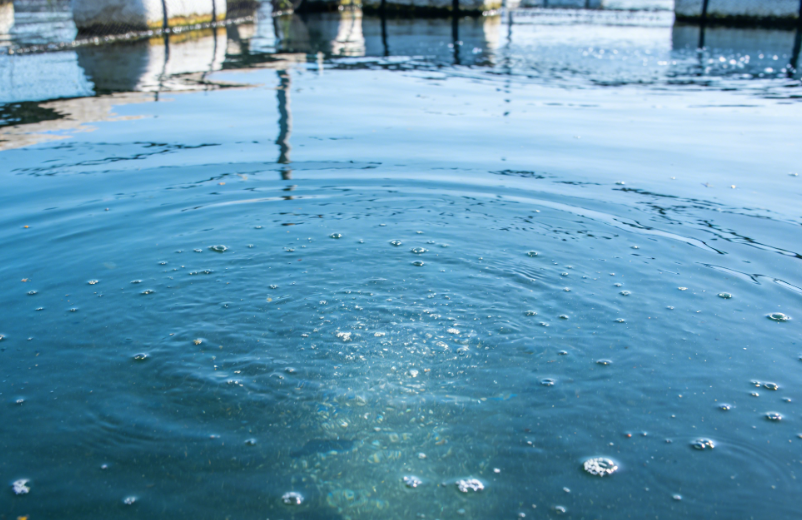
Maintaining optimal dissolved oxygen levels is crucial for both aquatic life and industrial water treatment. Here are some of the most effective methods:
Aeration is the most common and effective way to increase dissolved oxygen levels in water. There are two main types of aeration systems:
Mechanical Aerators: These systems agitate the water, creating turbulence that promotes oxygen exchange at the surface.
Diffused Aerators: These systems release fine bubbles into the water, maximizing the contact surface area between the oxygen and the water, leading to higher oxygen transfer efficiency.
Both types of aeration systems are highly effective for improving DO levels in water, whether for municipal treatment plants or small aquaculture operations.
In cases where rapid and concentrated oxygenation is required, oxygenation systems that inject pure oxygen into water may be the best solution. Unlike regular aeration, which relies on atmospheric air, these systems provide an oxygen-rich environment, ideal for industries with high oxygen demand, such as fish farming.
Increasing water movement through circulation also improves oxygen transfer. Pumps and water circulators help move water across large areas, ensuring that oxygen is more evenly distributed and preventing stagnation.
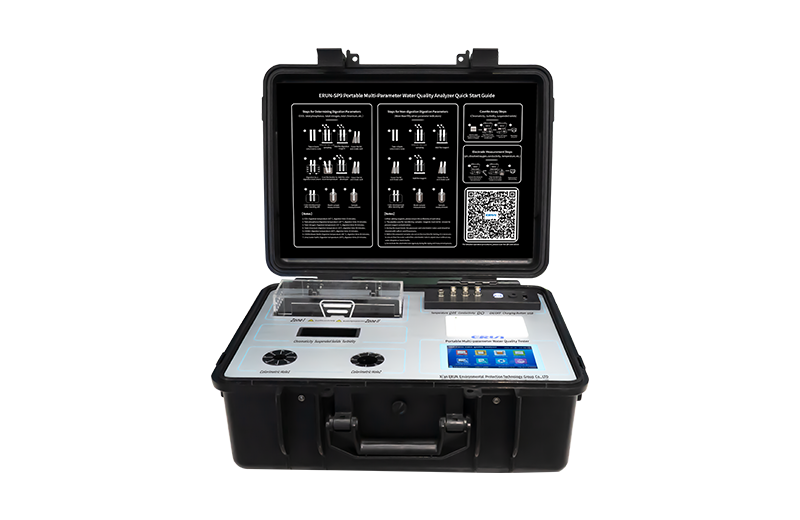
The ERUN-SP9-A5 Portable Dissolved Oxygen Meter by Erun Environmental Protection offers a simple and reliable solution for measuring dissolved oxygen levels in water. Its advanced design allows for rapid and accurate detection of DO concentration in aqueous solutions, whether you're in a laboratory, wastewater treatment facility, or out in the field.
Precise Measurements: The ERUN-SP9-A5 provides highly accurate readings of dissolved oxygen levels in mg/L or ppm and oxygen saturation (%).
Portable and Easy to Use: With a user-friendly interface and one-handed operation, this portable meter is designed for on-the-go testing and rapid data collection.
Wide Range of Applications: It is suitable for environmental monitoring, wastewater treatment, aquaculture, and many other industries where oxygen levels are critical.
Durable and Long-Lasting: The instrument is built to endure in demanding conditions and provides long-term stability in field use.
In conclusion, maintaining appropriate dissolved oxygen levels is essential for preserving aquatic life, ensuring effective water treatment, and promoting overall environmental health. By utilizing proper aeration systems, oxygenation, and regular monitoring, you can maintain the necessary DO levels for a thriving ecosystem and efficient industrial processes.
The ERUN-SP9-A5 Portable Dissolved Oxygen Meter is a highly effective tool for professionals in various industries, enabling them to monitor and manage dissolved oxygen levels with precision and ease. Regular testing with reliable instruments like this one ensures that water systems remain oxygenated and healthy for all their uses.


