




Sulfates are commonly found in natural water sources, yet many people are concerned about their potential effects on health. This leads to a frequently asked question: are sulfates in water bad for you?
While sulfates are not typically considered highly toxic, their presence in drinking water can still cause discomfort and impact water quality. Understanding how sulfates affect water—and how to monitor them—is essential for ensuring safe and reliable water use.
In this guide, we will explore what sulfates are, whether they pose health risks, and how accurate sulfate testing supports effective water quality monitoring.
The answer depends largely on the concentration. In general, sulfates in water are not considered dangerous at moderate levels. However, higher concentrations can lead to noticeable effects.
One of the most common impacts of high sulfate levels is a laxative effect. People who are not accustomed to sulfate-rich water—especially travelers or infants—may experience digestive discomfort. In some cases, this can lead to dehydration if exposure continues.
For most healthy adults, sulfates are more of a nuisance than a serious health threat. They can give water a bitter or unpleasant taste, making it less appealing for drinking.
However, when sulfate levels exceed recommended guidelines, the risk of discomfort increases. This is why understanding are sulfates in water bad for you requires not only identifying their presence but also measuring their concentration accurately.
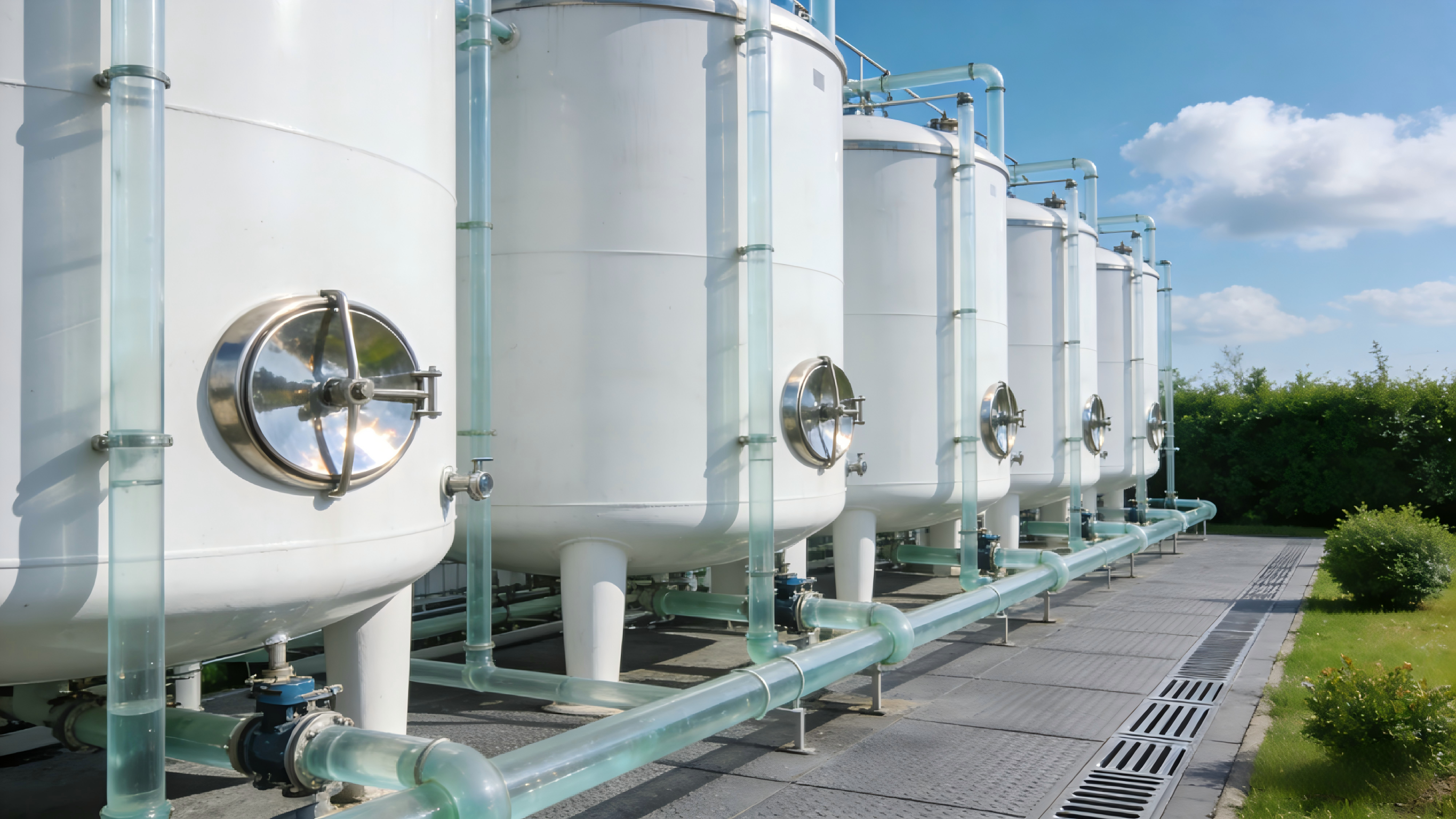
To maintain acceptable water quality, international guidelines provide reference limits for sulfate concentrations.
Organizations such as the World Health Organization (WHO) and the U.S. Environmental Protection Agency (EPA) typically suggest a guideline of around 250 mg/L for sulfates in drinking water. This limit is primarily based on taste rather than toxicity.
Below this level, water is generally considered safe and acceptable for most users. Above this threshold, taste may become unpleasant, and sensitive individuals may experience digestive effects.
Therefore, monitoring sulfate levels in drinking water is essential for ensuring both safety and user satisfaction.
Beyond health concerns, high sulfate levels can affect everyday water usage.
In drinking water, sulfates can create a bitter taste and reduce overall water quality. This may lead to customer complaints or reduced consumption.
In plumbing systems, sulfates can contribute to scaling and corrosion under certain conditions, potentially affecting equipment lifespan.
In industrial and agricultural applications, high sulfate concentrations can interfere with processes and impact product quality.
These practical effects highlight the importance of regular water quality monitoring.
For users who need precise and reliable sulfate testing, the ERUN-ST-YS740 sulfate detector offers an effective solution tailored to real-world challenges.
This laboratory instrument is designed to accurately measure sulfates in water, helping users quickly determine whether sulfate concentrations fall within acceptable limits. Its detection method is based on the reaction between sulfate and barium chromate in an acidic solution, followed by alkalization and filtration. This process ensures stable and consistent results.
With a measuring range of 5.00–200.00 mg/L, an error range of ≤±5%, and repeatability of ≤2%, the ERUN-ST-YS740 delivers dependable performance for various applications.
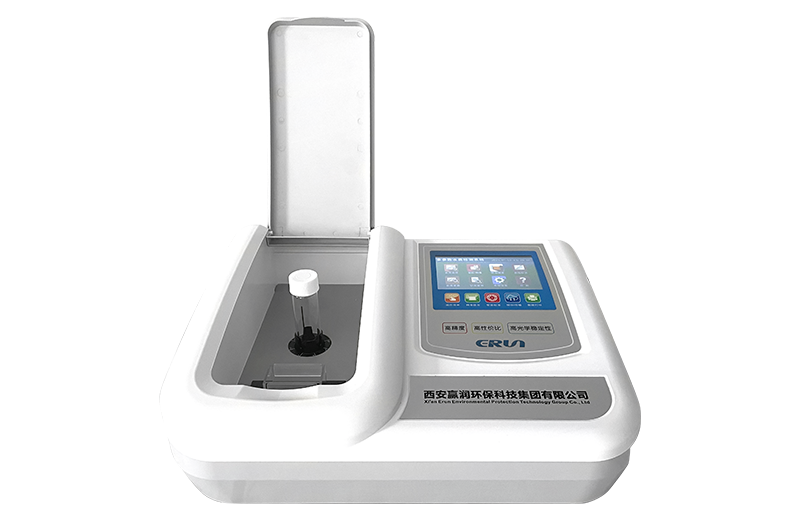
More importantly, it directly addresses customer needs. It helps users identify sulfate contamination early, avoid potential health complaints, and maintain compliance with water quality standards. By providing accurate and repeatable data, it reduces uncertainty and supports confident decision-making.
The instrument is widely used in drinking water testing, environmental monitoring, industrial analysis, and research institutions, making it a versatile tool for comprehensive water quality monitoring.
So, are sulfates in water bad for you? In most cases, they are not harmful at moderate levels, but excessive concentrations can cause discomfort and affect water quality.
The key lies in understanding and controlling sulfate levels in drinking water. Accurate sulfate testing plays a crucial role in ensuring safety, maintaining water quality, and preventing potential issues.
With reliable tools like the ERUN-ST-YS740 sulfate detector, users can perform precise measurements, improve water quality monitoring, and ensure that water remains safe and suitable for all applications.


