




Water quality testing involves monitoring a range of chemical parameters, and sulphate is one of the most important among them. Many people ask: why do we test for sulphate in water?
Although sulphates are naturally present in water, excessive concentrations can affect taste, health, and industrial processes. For this reason, sulphate testing is widely used in drinking water systems, environmental monitoring, and industrial applications.
In this guide, we will explore the reasons behind sulphate testing and explain how accurate sulphate testing plays a key role in effective water quality monitoring.
Sulphate is a naturally occurring ion composed of sulfur and oxygen (SO₄²⁻). It is commonly found in both surface water and groundwater.
Most sulphate in water originates from natural sources such as the dissolution of minerals in rocks and soil. However, human activities like industrial discharge, wastewater treatment, and agricultural runoff can significantly increase sulphate concentrations.
While sulphates are not usually harmful at low levels, their presence must still be monitored to ensure water remains safe and suitable for different uses.
Understanding why do we test for sulphate in water requires examining its impact across multiple areas.
First, sulphate testing helps protect human health. High sulphate levels can cause digestive discomfort, particularly for people who are not used to such water. Infants and sensitive individuals are especially vulnerable.
Second, sulphates affect the taste of drinking water. Elevated concentrations often result in a bitter or unpleasant flavor, reducing water acceptability for consumers.
Third, sulphate monitoring helps prevent damage to infrastructure. In industrial systems, high sulphate levels can contribute to corrosion and scaling, leading to equipment wear and increased maintenance costs.
Fourth, sulphate testing is essential for industrial process control. Many industries rely on stable water chemistry, and fluctuations in sulphate levels can affect production quality and efficiency.
Finally, testing ensures compliance with regulatory standards. Guidelines from organizations such as WHO and EPA recommend limits to maintain acceptable water quality.
In short, sulphate testing provides critical data that supports safe, efficient, and compliant water management.
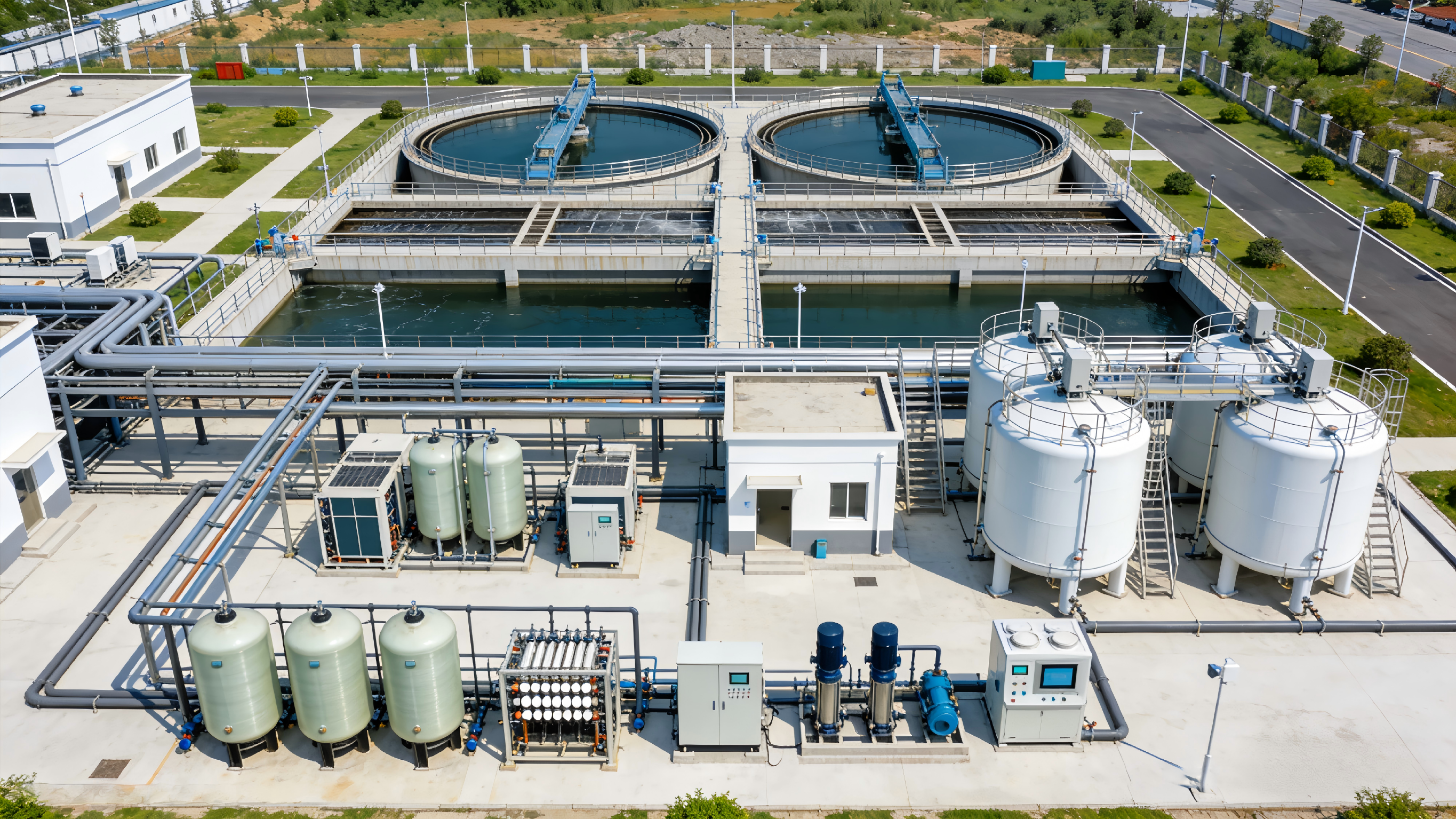
When sulphate concentrations exceed acceptable levels, several issues may arise.
From a health perspective, high sulphate intake can have a laxative effect. This is particularly noticeable for individuals who are not accustomed to sulphate-rich water.
In terms of water quality, elevated sulphates can negatively affect taste, making water less pleasant to drink.
In industrial and environmental contexts, high sulphate levels may interfere with processes or contribute to pollution, impacting ecosystems and operational efficiency.
These risks highlight the importance of regular water quality monitoring.
For users who need precise and dependable sulphate testing, the ERUN-ST-YS740 sulphate detector offers a powerful solution tailored to real-world needs.
This laboratory instrument is designed to accurately measure sulphate in water, helping users quickly determine whether sulphate levels fall within acceptable limits. Its detection method is based on a chemical reaction between sulphate and barium chromate in an acidic solution, forming a precipitate. After stabilization, the solution is adjusted to alkaline conditions and filtered, ensuring accurate and repeatable results.
With a measuring range of 5.00–200.00 mg/L, an error range of ≤±5%, and repeatability of ≤2%, the device delivers consistent performance across different applications.
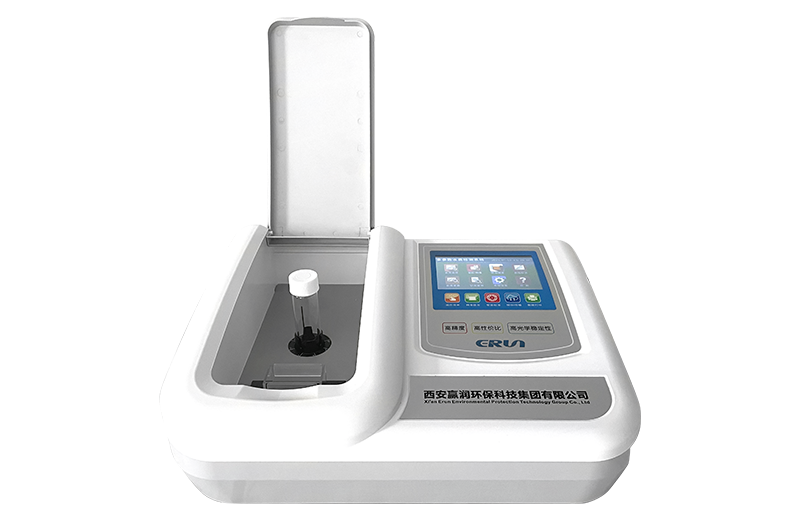
More importantly, it directly addresses customer challenges. It enables early detection of sulphate contamination, reduces the risk of water quality complaints, and supports compliance with regulatory standards. By providing reliable data, it allows users to make informed decisions quickly and confidently.
The ERUN-ST-YS740 is widely used in drinking water testing, environmental monitoring, industrial analysis, and research institutions, making it an essential tool for effective water quality monitoring.
So, why do we test for sulphate in water? The answer lies in its impact on health, taste, infrastructure, and industrial processes.
While sulphates are naturally present in water, excessive levels can create a range of problems. Regular sulphate testing ensures that water remains safe, acceptable, and compliant with standards.
With advanced tools like the ERUN-ST-YS740 sulphate detector, users can achieve accurate measurements, improve water quality monitoring, and maintain confidence in their water systems.


