




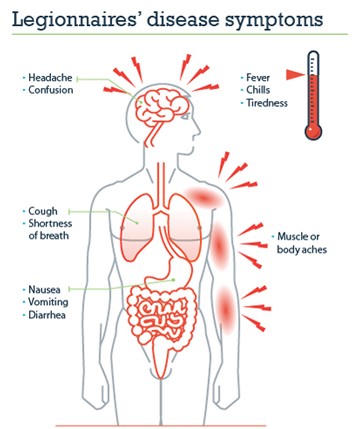
Legionnaires' disease is a serious form of pneumonia caused by inhaling water droplets contaminated with Legionella bacteria. The disease is commonly associated with man-made water systems such as:
Cooling towers
Hot and cold water systems
Hotels and resorts
Hospitals and healthcare facilities
Swimming pools and spas
Industrial water systems
HVAC systems
According to global public health authorities, poorly maintained water systems create ideal conditions for Legionella growth, especially in warm, stagnant water environments.
Legionella bacteria thrive under several common water conditions:
Risk Factor | Description |
Warm water temperatures | Typically between 20°C–45°C |
Stagnant water | Dead legs, unused pipes, storage tanks |
Biofilm formation | Bacteria attach to pipe surfaces |
Low disinfectant levels | Insufficient chlorine residual |
Scale and corrosion | Creates protection for bacteria |
Effective prevention depends on continuous monitoring and rapid corrective action.
Modern facilities increasingly rely on online water quality monitoring systems to reduce Legionella risks and comply with regulations such as:
· Health and Safety Executive L8 Guidelines
· World Health Organization water safety recommendations
· Local healthcare and building management standards
Key monitoring parameters include:
· Residual chlorine
· pH
· Temperature
· Turbidity
· ORP (Oxidation Reduction Potential)
· Conductivity
These indicators help operators identify conditions favorable to bacterial growth before contamination becomes dangerous.
ERUN Environmental Technology Official Website provides industrial-grade water quality monitoring instruments designed for continuous Legionella risk management in commercial and industrial water systems.
1. ERUN-SZ4-A-K6 Online Residual Chlorine Analyzer
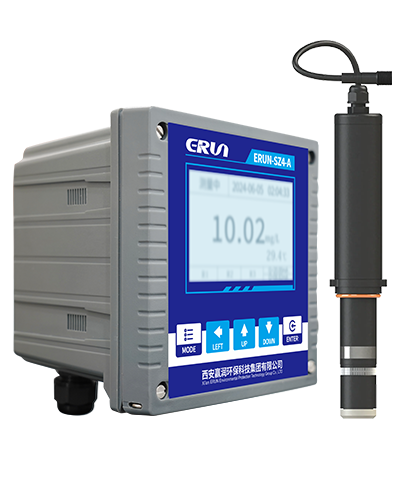
Residual chlorine is one of the most critical parameters for Legionella prevention.
Applications:
Cooling towers
Potable water systems
Hospitals
Hotels
Industrial circulating water
Key Features
High-precision chlorine monitoring
Real-time online analysis
RS485 Modbus communication
Automatic alarm functions
Suitable for continuous operation
2. ERUN-WQS-6020 Multi-Parameter Water Quality Monitoring System
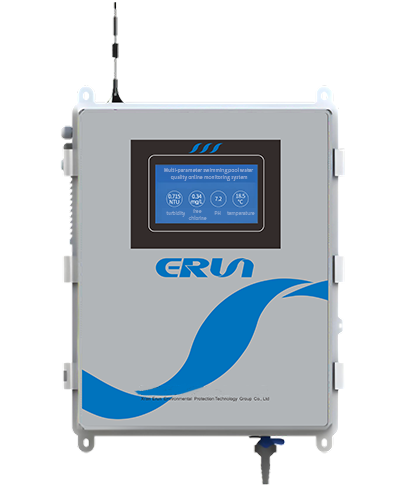
ERUN multi-parameter analyzers can simultaneously monitor:
Residual chlorine
pH
ORP
Temperature
Turbidity
Conductivity
This integrated solution helps operators maintain optimal disinfection efficiency and system safety.
Typical Applications
Industry | Monitoring Purpose |
Hospitals | Reduce Legionella infection risks |
Hotels | Maintain safe domestic water systems |
Cooling Towers | Prevent bacterial proliferation |
Swimming Pools | Ensure disinfectant stability |
Manufacturing Plants | Industrial water safety management |
Disinfection efficiency depends heavily on maintaining correct chlorine and pH levels.
When pH rises too high, chlorine becomes less effective against bacteria.
The relationship between pH and chlorine efficiency is critical for Legionella prevention:
HOCl⇌H++OCl−HOCl \rightleftharpoons H^+ + OCl^-HOCl⇌H++OCl−
Lower pH generally increases the proportion of hypochlorous acid (HOCl), the most effective disinfecting form of chlorine.
Early Warning Capability
Real-time monitoring immediately identifies abnormal water conditions before bacteria spread.
Reduced Maintenance Costs
Automated systems reduce manual testing frequency and improve operational efficiency.
Regulatory Compliance
Continuous data logging supports audit requirements and water safety documentation.
Remote Monitoring Integration
Many ERUN instruments support:
SCADA integration
RS485 Modbus communication
Cloud-based monitoring
Alarm notification systems
A comprehensive Legionella prevention program should include:
Regular system disinfection
Continuous water quality monitoring
Temperature management
Pipework maintenance
Biofilm prevention
Routine microbiological testing
Online chlorine and pH analysis
Combining preventive maintenance with reliable monitoring equipment significantly lowers the risk of Legionnaires’ disease outbreaks.
Healthcare Facilities
Hospitals and nursing homes face the highest infection risks due to vulnerable populations.
Hospitality Industry
Hotels, resorts, and spas must ensure guest water safety and regulatory compliance.
Industrial Facilities
Cooling towers and process water systems can become major sources of aerosolized Legionella.
Public Buildings
Schools, gyms, office buildings, and commercial complexes increasingly adopt continuous monitoring systems.
Legionnaires' disease remains a major global water safety concern, especially in complex building water systems. Preventing bacterial growth requires proactive water management supported by accurate online monitoring technologies.
ERUN Environmental Technology Official Website offers advanced water quality analyzers and multi-parameter monitoring systems that help facilities maintain safe water conditions, optimize disinfection performance, and reduce Legionella-related risks.


