Why Water Microbial Detection Matters Now More Than Ever
The global water quality testing equipment market is experiencing significant growth, valued at approximately $4.83 billion in 2025 and projected to reach $5.13 billion in 2026, with a compound annual growth rate (CAGR) of 6.1%. A major driver of this growth is the rising demand for portable testing devices and rapid contaminant detection solutions. For professionals tasked with safeguarding drinking water—whether in municipal systems, rural communities, or industrial facilities—having a reliable, portable water microbial detector is no longer a luxury but a necessity.
The microbiological testing of water market alone is forecast to grow from $2.08 billion in 2025 to $2.26 billion in 2026, with an anticipated CAGR of 8.4%. This expansion reflects the increasing global awareness of waterborne pathogens and the urgent need for accessible, repeatable, and accurate water microbiology testing methods.
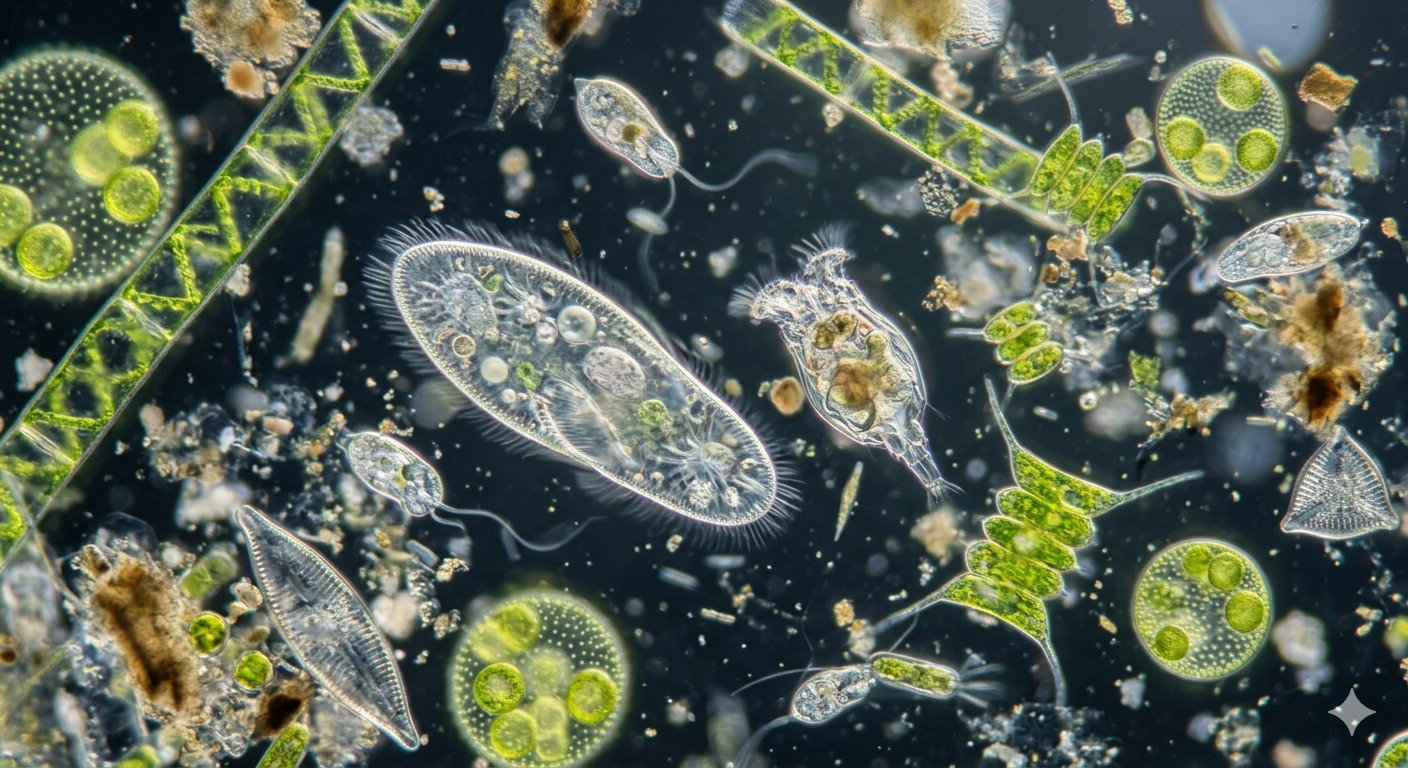
Key Microbial Contaminants in Drinking Water
Waterborne diseases remain one of the greatest public health threats worldwide. The most common microbial indicators tested in drinking water include:
Total Coliforms – The primary indicator of potential fecal contamination. Under ISO and EPA drinking water standards, these should be non-detectable in treated water.
Escherichia coli (E.coli) – A specific and reliable marker of fecal contamination and the presence of pathogenic organisms.
Fecal Coliforms (Thermotolerant Coliforms) – Often used as a secondary confirmation of fecal pollution.
Total Bacterial Count (Heterotrophic Plate Count) – Measures general bacterial load in water distribution systems. The national standard limit is 100 CFU/mL.
The Gold Standard: Membrane Filtration and Enzyme Substrate Methods
Regulatory bodies including the U.S. Environmental Protection Agency (EPA) mandate specific analytical methods for drinking water compliance monitoring. Under the Safe Drinking Water Act (SDWA), all public water systems must use EPA-approved analytical methods.
EPA Method 1603 for E.coli detection relies on membrane filtration using modified mTEC agar. Similarly, ISO 9308-1:2014 specifies a method for enumerating E.coli and coliform bacteria based on membrane filtration and chromogenic culture. The enzyme substrate method and multi-tube fermentation technique are also widely accepted for detecting total coliforms and E.coli, offering high specificity and ease of use.
Introducing the ERUN-SP3-L Portable Water Microbial Detector
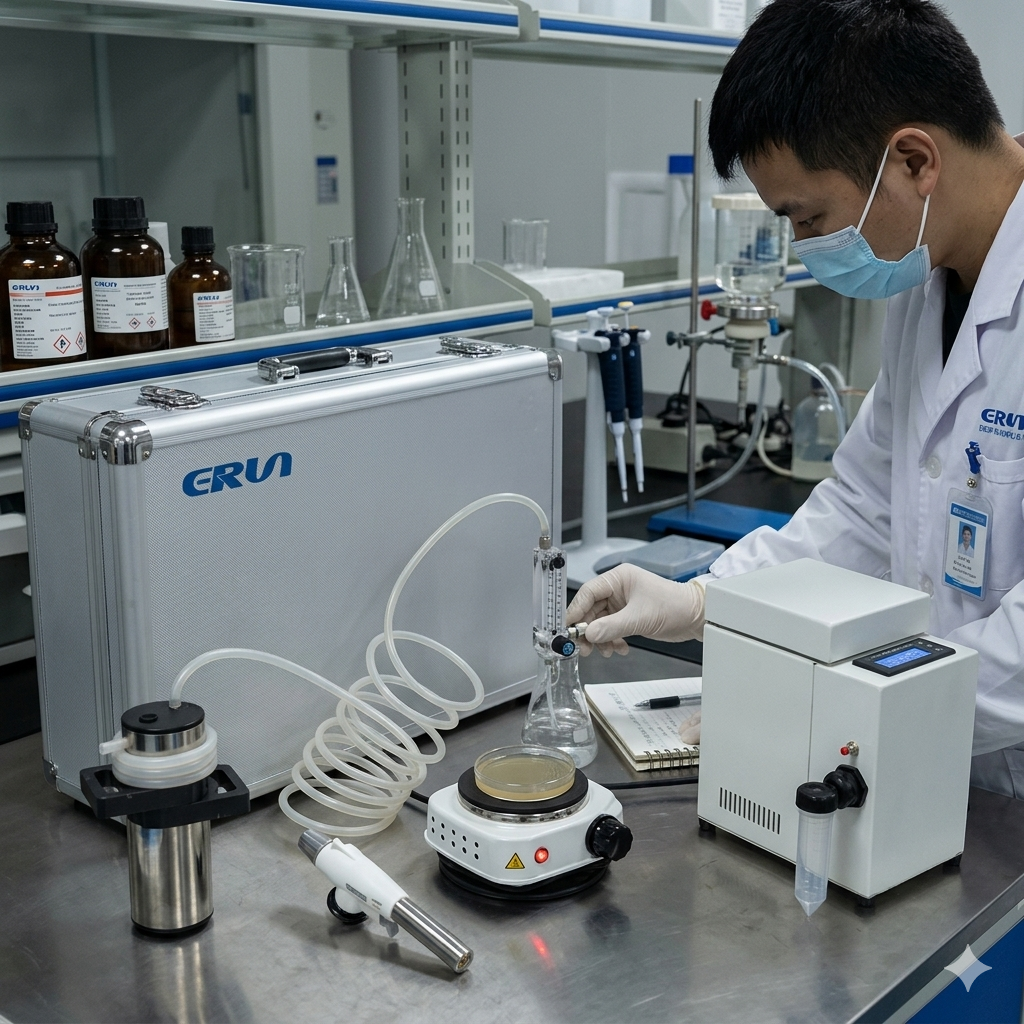
For water quality professionals seeking a comprehensive, portable solution that complies with international standards, the ERUN-SP3-L portable water microbiology tester from Erun Environmental Protection is an ideal choice. [Click to view the product details]
This advanced instrument is equipped with a multi-functional media holder system that adapts to various types of prefabricated media, enabling efficient and accurate detection of total bacterial counts, total coliforms, fecal coliforms, and E.coli in water samples.
Key Features of the ERUN-SP3-L:
Truly Portable: weighing less than 3.5 kg and housed in a rugged carrying case, the instrument is designed for both field and laboratory use.
Precise Temperature Control: The incubator operates from 10°C to 60°C, using laser-balanced thermistor technology with automatic temperature identification and calibration functions.
Built-in Vacuum Filtration System: An automatic vacuum pump and filtration kit allow for rapid on-site vacuum filtration using 0.45μm pore-size membranes to collect microbial samples.
Multi-functional Media Holder: Can simultaneously accommodate up to 4 standard glass petri dishes or 20 aluminum petri dishes, which can be reused after sterilization.
On-site Sterilization: Filtration assemblies can be quickly sterilized at the sampling site using a high-temperature (1200°C) flame sterilization method.
Data Logging and Connectivity: The instrument records incubation conditions and can connect to a computer or mobile device via micro-USB for data download.
Flexible Power Options: Powered by rechargeable battery, vehicle charger, or external AC power supply.
Wide-Ranging Applications
The ERUN-SP3-L has demonstrated broad applicability across multiple sectors, including rural drinking water safety monitoring, urban municipal tap water quality control, swimming pool water hygiene assessment, decentralized water supply systems, and aquaculture effluent monitoring.
Why Choose a Portable Water Microbial Detector?
Portable water quality testing solutions are gaining traction globally. The global market for portable water quality testing kits was estimated at $1.218 billion in 2024 and is projected to reach $1.834 billion by 2031, reflecting a CAGR of 6.3%. Key advantages include:
On-site Decision Making – Immediate results enable rapid response to contamination events.
Reduced Sample Degradation – Eliminates risks associated with sample transport to labs.
Lower Operational Costs – Reduces dependency on external laboratory services.
Regulatory Compliance – Meets ISO and EPA method requirements for microbial testing.
Conclusion
As global water quality concerns intensify and regulatory scrutiny increases, investing in a reliable, portable water microbial detector is essential for any organization responsible for water safety. The ERUN-SP3-L offers a powerful combination of portability, precision, and regulatory compliance, making it a trusted partner for drinking water quality testing worldwide.
For more information, visit Erun Environmental Protection today and take the first step toward ensuring safe water for all.