




Water quality has become one of the most important environmental and public health concerns worldwide. As urbanization, industrial expansion, and population growth continue to increase pressure on global water resources, accurate and real-time water monitoring is now more critical than ever. Among all water quality indicators, turbidity remains one of the most direct and widely used parameters for evaluating water cleanliness and treatment efficiency.
Whether in municipal water plants, industrial wastewater systems, rivers, lakes, or environmental monitoring projects, turbidity monitoring plays a key role in helping organizations maintain water safety standards and improve treatment performance.
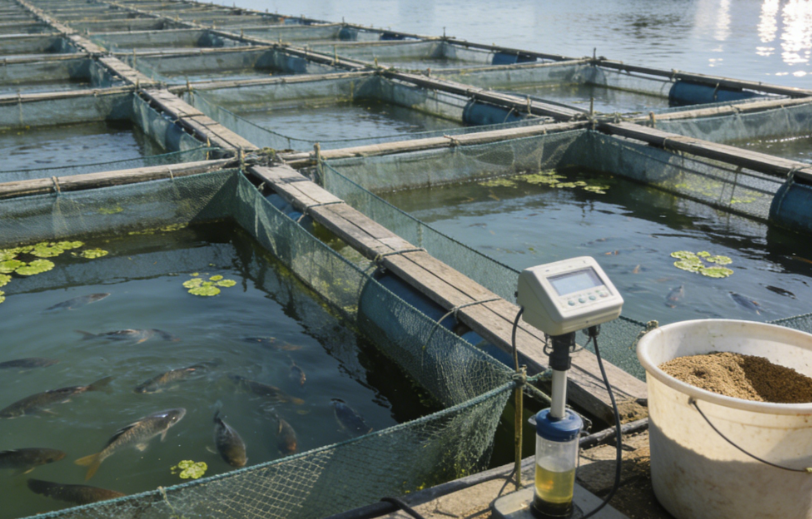
Turbidity refers to the cloudiness or haziness of water caused by suspended particles such as silt, microorganisms, algae, organic matter, and industrial pollutants. High turbidity levels can indicate contamination risks and often reduce the effectiveness of water disinfection processes.
In many developing regions across Southeast Asia, South America, Africa, and parts of the Middle East, rapid industrialization and insufficient wastewater infrastructure continue to challenge local water quality management systems. Rivers and lakes are increasingly exposed to untreated wastewater discharge, agricultural runoff, and sediment pollution.
As a result, governments, environmental agencies, and water treatment facilities are placing greater emphasis on reliable turbidity monitoring solutions to improve water safety and environmental protection.
Turbidity is widely recognized because it provides a fast and intuitive reflection of water quality conditions. Changes in turbidity levels often serve as early warning signals for:
Suspended solid contamination
Microbial growth risks
Filtration system inefficiencies
Sediment intrusion after rainfall or flooding
Industrial wastewater discharge abnormalities
For drinking water systems, excessive turbidity may shield harmful microorganisms from chlorine disinfection, increasing public health risks. In wastewater treatment plants, turbidity measurement helps operators optimize filtration, sedimentation, and treatment efficiency.
This is why turbidity monitoring has become a core parameter in modern water treatment operations worldwide.
Conventional laboratory-based water testing methods often require:
Manual sample collection
Delayed laboratory analysis
Skilled technicians
Higher operational costs
Slower response times
In emergency situations or remote monitoring locations, these limitations can significantly delay decision-making.
Today, industries and municipalities increasingly prefer portable and online turbidity analyzers that provide faster, more accurate, and real-time monitoring capabilities.
Modern turbidity meters are designed to support efficient water management across multiple industries. Portable devices offer flexibility for field inspections, while online analyzers provide continuous monitoring for automated systems.
One example is the ERUN-SP5-E6 portable turbidity monitoring solution, designed for rapid and reliable NTU measurement in various water environments. With a measurement range of 0–1100 NTU and high detection accuracy, portable monitoring devices like this are becoming increasingly useful for:
Drinking water plants
Wastewater treatment facilities
Environmental supervision departments
River and lake monitoring projects
Industrial process water management
Field water quality inspections
Rather than relying solely on delayed laboratory results, operators can now quickly evaluate water clarity conditions on-site and respond faster to potential contamination issues.
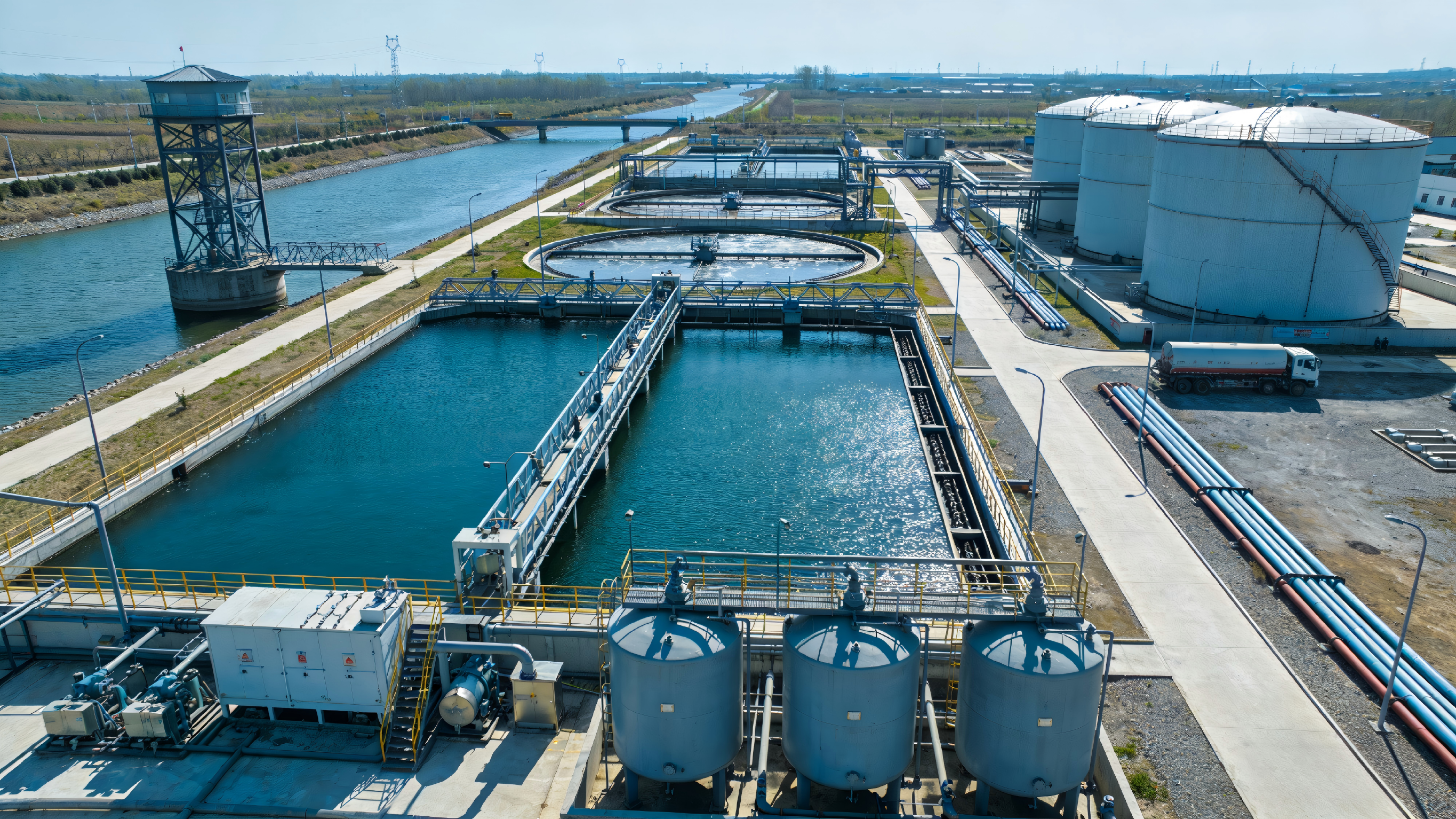
Municipal water suppliers must maintain stable turbidity levels to ensure safe drinking water delivery. Continuous turbidity monitoring helps identify filtration failures and optimize purification processes.
Wastewater facilities use turbidity monitoring to evaluate suspended solids removal and treatment efficiency throughout different processing stages.
Environmental agencies increasingly rely on portable turbidity meters for river, lake, groundwater, and surface water monitoring programs.
Industries such as food processing, pharmaceuticals, mining, and manufacturing often require strict water quality management to meet operational and environmental standards.
As environmental regulations become stricter worldwide, organizations are shifting toward intelligent water monitoring systems capable of providing continuous, real-time data.
Modern turbidity monitoring technology offers several advantages:
Faster contamination detection
Improved operational efficiency
Reduced manual labor
Better regulatory compliance
More stable water treatment performance
Enhanced environmental protection capabilities
For many facilities, integrating portable and online turbidity monitoring devices is no longer optional — it is becoming an essential part of sustainable water management strategies.

Global water quality challenges continue to grow, making accurate and efficient turbidity monitoring more important than ever. From drinking water safety to wastewater treatment and environmental protection, turbidity remains one of the most valuable indicators for evaluating water conditions quickly and effectively.
With advancements in portable and intelligent monitoring technologies such as the ERUN-SP5-B6, organizations can improve monitoring efficiency, reduce response times, and strengthen overall water quality management.
As governments and industries continue investing in safer and smarter water infrastructure, turbidity monitoring will remain at the center of modern environmental and water treatment solutions.


