




Total Suspended Solids (TSS) is one of the most important indicators of water quality. Whether you work in wastewater treatment, environmental monitoring, industrial discharge testing, or drinking water management, understanding TSS helps evaluate pollution levels, water clarity, and overall ecosystem health. In this guide, we break down what TSS is, why it matters, how it’s measured, and how tools like the ERUN-SP6-8 Portable Multi-Parameter Water Quality Analyzer can help you measure TSS more accurately and efficiently.
TSS stands for Total Suspended Solids, which refers to the amount of solid particles suspended—but not dissolved—in water. These particles include:
Silt
Clay
Algae
Organic matter
Industrial waste
Microplastics
TSS is measured in milligrams per liter (mg/L) and plays a critical role in evaluating water pollution and clarity.
Higher TSS leads to murkier water, reducing light penetration and harming aquatic ecosystems.
Suspended particles can clog fish gills, reduce oxygen levels, and disrupt plant photosynthesis.
Elevated TSS may signal runoff, industrial discharge, erosion, or untreated wastewater.
In water treatment plants, the TSS level directly influences filtration, coagulation, and sedimentation processes.
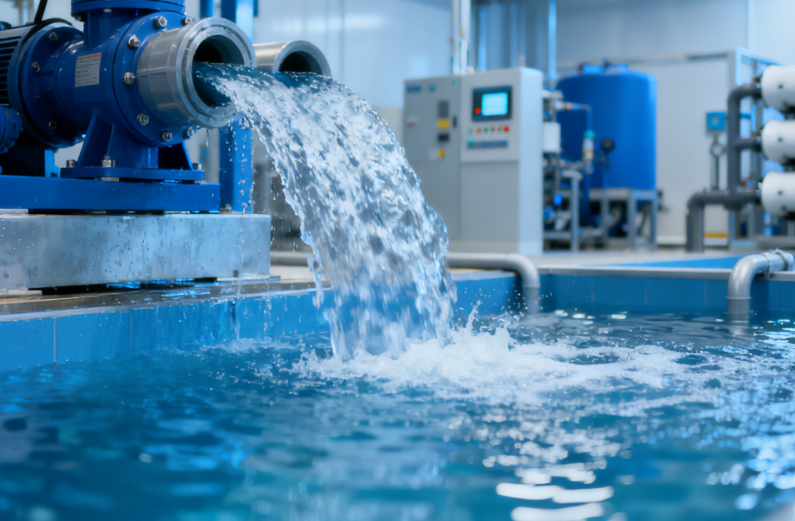
Common sources include:
Soil erosion
Stormwater runoff
Industrial effluent
Wastewater discharge
Agricultural activities
Construction sites
Each source introduces different types of suspended solids, affecting both water quality and treatment strategies.
There are two main methods:
The sample is filtered and dried, and the remaining solids are weighed.
This method is highly accurate but time-consuming.
Modern instruments use light scattering or light absorption principles to estimate TSS quickly.
This method is ideal for field use, especially when rapid monitoring is required.
Although ideal TSS levels vary by water type, general guidelines include:
Drinking water: below 5 mg/L
Surface water: below 25–80 mg/L (varies by region)
Effluent discharge: typically <30 mg/L (regulation-dependent)
Understanding acceptable TSS ranges helps industries maintain compliance and environmental protection.
To ensure precise results, you need a reliable meter designed for field and laboratory environments. The ERUN-SP6-8 Portable Multi-Parameter Water Quality Analyzer offers:
Provides stable optical performance, essential for consistent TSS measurements.
Maintains accuracy when environmental conditions fluctuate.
Great for environmental sampling, wastewater monitoring, and on-site inspections.
TSS
COD
Copper
Turbidity
Ammonia nitrogen
Total phosphorus
…and more.
Ideal for technicians, environmental engineers, and plant operators who need quick, reliable readings.
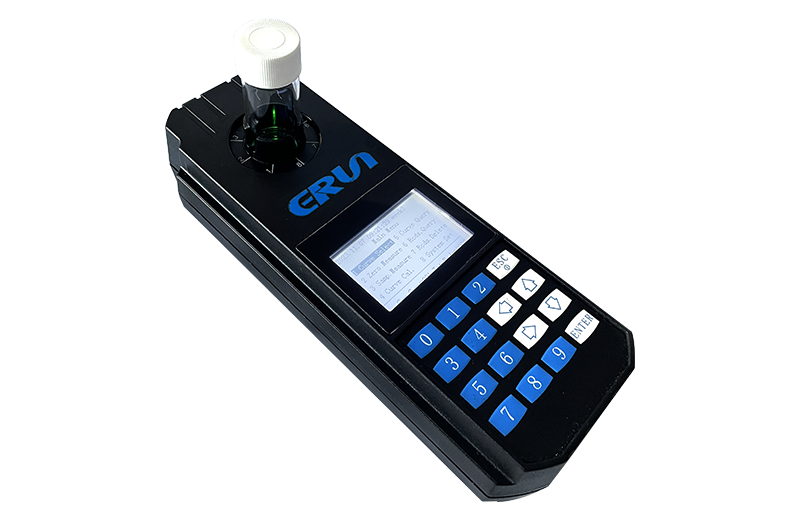
The ERUN-SP6-8 is popular across industries because it:
Reduces manual steps
Minimizes measurement errors
Performs multiple tests with one device
Works seamlessly in the field
Supports compliance with regulatory standards
If you need efficiency, accuracy, and flexibility in TSS monitoring, this device provides a powerful all-in-one solution.
TSS is one of the most essential indicators of water quality, influencing treatment efficiency, environmental health, and regulatory compliance. As ecological challenges grow, accurately measuring TSS is more important than ever.
Using a professional tool like the ERUN-SP6-8 Portable Multi-Parameter Water Quality Analyzer ensures precise, fast, and reliable TSS monitoring—whether you're testing wastewater, surface water, or industrial discharge.
For cleaner water and better compliance, understanding TSS is the first step—and having the right testing equipment makes all the difference.


