




Aquaculture production has grown rapidly over the past decade, and with it, the importance of wastewater management has become more critical than ever. Poor water quality can lead to disease outbreaks, slow growth rates, and even large-scale stock loss. That’s why aquaculture wastewater testing plays a central role in ensuring sustainable and profitable farming.
In this guide, we break down what you need to test, why it matters, and how advanced tools like the ERUN-SP7 portable multi-parameter water quality detector help simplify the process.
Aquaculture wastewater testing refers to monitoring key physical, chemical, and biological parameters in fishponds, hatcheries, and recirculating aquaculture systems (RAS). These parameters help farmers understand water pollution levels, nutrient load, and overall system health.
Because aquaculture systems often accumulate uneaten feed, fish feces, and organic matter, routine testing is essential.
Excess ammonia, nitrite, or low dissolved oxygen can quickly put fish under severe stress. Continuous monitoring ensures water stays within safe biological ranges.
Water quality directly affects appetite, metabolism, and reproduction. Clean water = better growth.
Many regions require aquaculture farms to monitor COD, nitrogen, phosphorus, and suspended solids before discharging wastewater.
Early detection prevents expensive losses and reduces the need for emergency water exchange or medication.
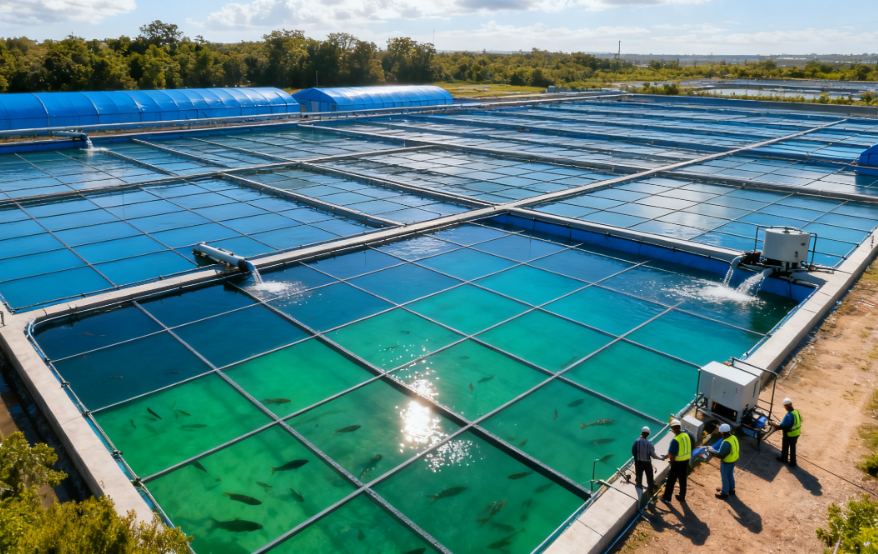
Below are the most important parameters used by aquaculture farms:
Low DO can cause fish kills quickly. Ideal DO is generally above 5 mg/L, depending on species.
Comes from fish metabolism and decomposing feed. High levels are toxic.
Indicate the efficiency of the nitrification process.
Represents the level of organic pollutants. Higher COD means poorer water quality.
Main causes of eutrophication and algae blooms.
Affects oxygen availability and fish health. Most species thrive between 6.5–8.5.
Affects gill function and water clarity.
Useful but time-consuming and prone to human error.
Modern aquaculture relies on portable digital testers to achieve:
Faster results
More accurate readings
On-site testing without lab requirements
Easy long-term monitoring
The ERUN-SP7 portable multi-parameter water quality detector is designed to simplify aquaculture monitoring. It supports testing of heavy metals and inorganic salts, covering key aquaculture indicators such as:
COD
Ammonia nitrogen
Total phosphorus
Total nitrogen
Residual chlorine
Total chlorine
Chlorine dioxide
Turbidity
Nitrite
Hardness
Color
Copper, iron, zinc, manganese, and many more
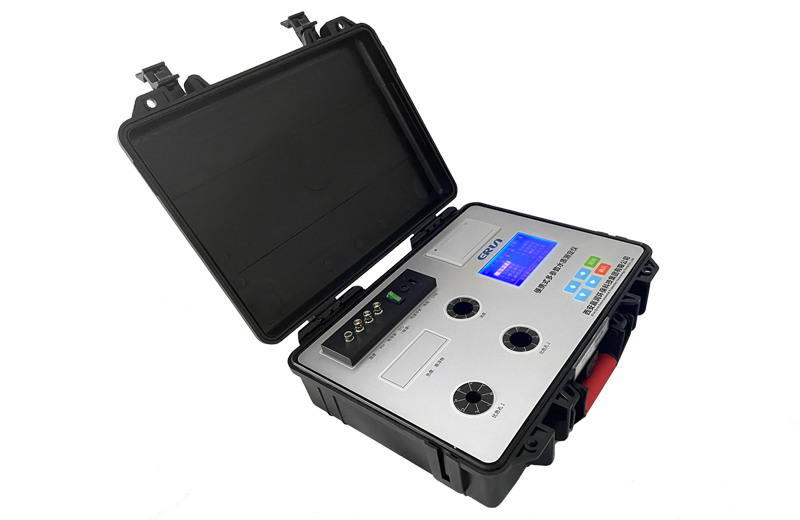
✔ Portable & field-ready – Perfect for ponds, RAS, hatcheries
✔ Multi-parameter – Reduce the number of tools needed
✔ Cold light source + optical system – Ensures high stability and accuracy
✔ Customizable test items – Expand the device according to your farm requirements
✔ Fast, reliable results – Allows real-time decision-making
With ERUN-SP7, aquaculture farmers can monitor water quality more efficiently, prevent stock loss, and maintain stable production.
Test daily during high-density periods
Record data to track long-term trends
Test after feeding or heavy rainfall
Use equipment with high accuracy and low maintenance
Combine routine testing with aeration and biofiltration strategies
Aquaculture wastewater testing is essential for maintaining a healthy farming environment, preventing disease, and ensuring sustainable production. With precise, multi-parameter tools like the ERUN-SP7, farmers can monitor COD, ammonia, nitrogen, phosphorus, turbidity, and dozens of other parameters quickly and easily.
Investing in the right testing equipment not only protects your fish—it protects your business.


