




Turbidity is one of the most common and important water quality indicators—yet also one of the most misunderstood. Many engineers, water plant operators, aquaculture managers, and laboratory professionals often ask the same question: Is low turbidity good or bad?
This article explains what turbidity really means, how it affects different water applications, and why maintaining the right level is essential. We also introduce a reliable solution for low-range turbidity monitoring: the ERUN-SZ2-B-B6C Online Low-Range Turbidity Monitor, designed for precise, real-time water quality control.
Turbidity represents the cloudiness or haziness of water caused by suspended particles such as silt, microorganisms, organic matter, chemicals, or industrial waste. The higher the turbidity, the more particles are present.
It is commonly measured in NTU (Nephelometric Turbidity Units).
Sediments and clay
Bacteria and plankton
Organic debris
Industrial and municipal waste
Corrosion in pipelines
Low turbidity typically means:
Water is clear
Fewer suspended contaminants
Better safety for drinking
Higher efficiency for filtration and disinfection
More stable water environments
Although rare, extremely low turbidity may cause issues in certain scenarios:
Aquatic ecosystems
Water that is “too clear” may indicate a lack of nutrients or living organisms, affecting fish and plant growth.
Industrial or boiler systems
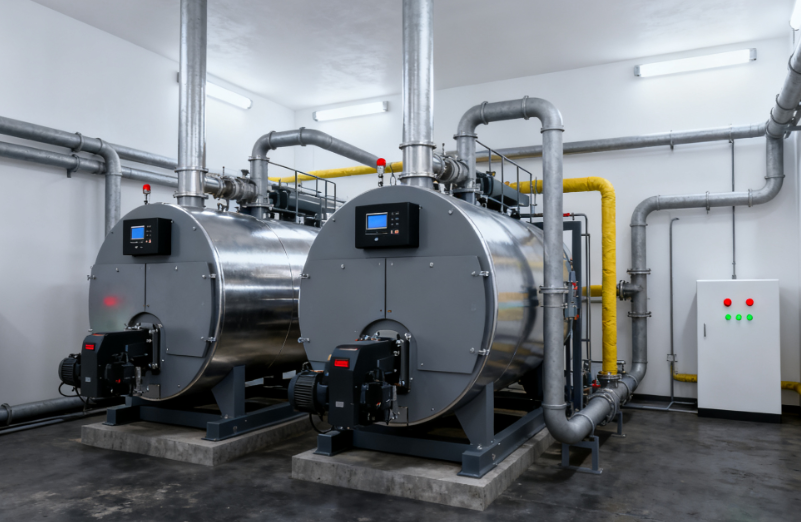
Extremely pure water may be corrosive if it lacks minerals.
Monitoring equipment calibration
Abnormal near-zero turbidity readings may signal a sensor malfunction if natural conditions do not match.
In summary, low turbidity is generally desirable, especially for drinking water, process water, and pool water—but understanding the context is important.
Regulations often require turbidity < 1 NTU, and ideally < 0.3 NTU at filter effluent.
Low turbidity helps:
Improve disinfection efficiency
Reduce pathogen risk
Indicate treatment system integrity
Operators rely on turbidity to:
Evaluate filter performance
Detect system failures quickly
Ensure regulatory compliance
Moderate turbidity protects fish from:
Excessive light exposure
Predator visibility
But too much turbidity reduces oxygen and increases stress. Balancing it is key.
Industries require controlled turbidity for:
Food processing
Pharmaceuticals
Microelectronics
Textile and paper production
Low turbidity ensures product consistency and prevents system fouling.
Continuous online turbidity monitoring
Routine maintenance of filters
Regular removal of sediments
Managing nutrient load in aquaculture systems
Monitoring pipeline corrosion
For applications requiring real-time, ultra-low-range turbidity detection, high-precision instrumentation is essential.
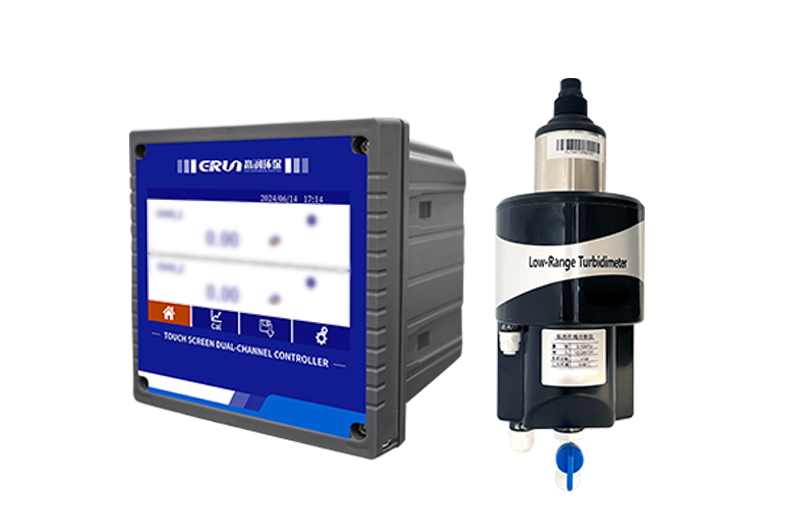
The ERUN-SZ2-B-B6C is designed specifically for accurate, continuous monitoring of low turbidity levels in clean water environments.
Ultra-low detection limit: Ideal for 0–10 NTU measurement range
High precision: ±2% or ±0.01 NTU
Maintenance-free long-term operation
Water-saving design
Digital output + cloud platform connectivity
Supports RS-485 Modbus for integration with SCADA and IoT systems
Water treatment plant inlet/outlet monitoring
Secondary water supply systems
Pipeline terminal water
Drinking water and pure water
Swimming pools
Membrane filtration systems
Surface water and environmental monitoring
If your system requires stable, real-time, ultra-low turbidity monitoring, the ERUN-SZ2-B-B6C provides an industry-leading solution.
So, is low turbidity good or bad?
In nearly all water-related applications—especially drinking water, process water, and treated wastewater—low turbidity is a positive indicator of water quality.
However, the right turbidity level always depends on the application. That’s why accurate, continuous monitoring is essential.
The ERUN-SZ2-B-B6C Online Low-Range Turbidity Monitor ensures reliable, real-time data, supporting better decisions in water treatment, environmental protection, and industrial operations.
For more water quality solutions, visit erunwas.com.


