




Water quality is essential for human health, industrial processes, and environmental sustainability. One of the key indicators of water quality is turbidity, which measures the cloudiness or haziness of water caused by suspended particles. Understanding turbidity and monitoring it effectively is critical for ensuring safe drinking water, protecting aquatic life, and maintaining industrial efficiency.
Turbidity refers to the cloudiness or haziness of water caused by suspended solids, organic matter, or microscopic organisms. It is commonly measured in Nephelometric Turbidity Units (NTU). The higher the turbidity, the murkier the water appears.
High turbidity is often a sign of contamination and can indicate the presence of harmful microorganisms, sediments, or chemicals. Conversely, very low turbidity can also indicate insufficient nutrients in natural water sources. Monitoring turbidity provides a clear insight into water quality, helping operators detect pollution and ensure proper water treatment.
Turbidity is a crucial factor in determining the safety of drinking water. High turbidity can:
Reduce disinfection effectiveness by shielding pathogens from chlorine or UV treatment.
Harbor bacteria and viruses, such as E. coli and Giardia.
Affect taste and appearance, making water unappealing to consumers.
Water treatment plants use turbidity measurements to adjust filtration, sedimentation, and disinfection processes. Maintaining low turbidity (typically below 1 NTU) is vital for public health and compliance with water quality regulations.
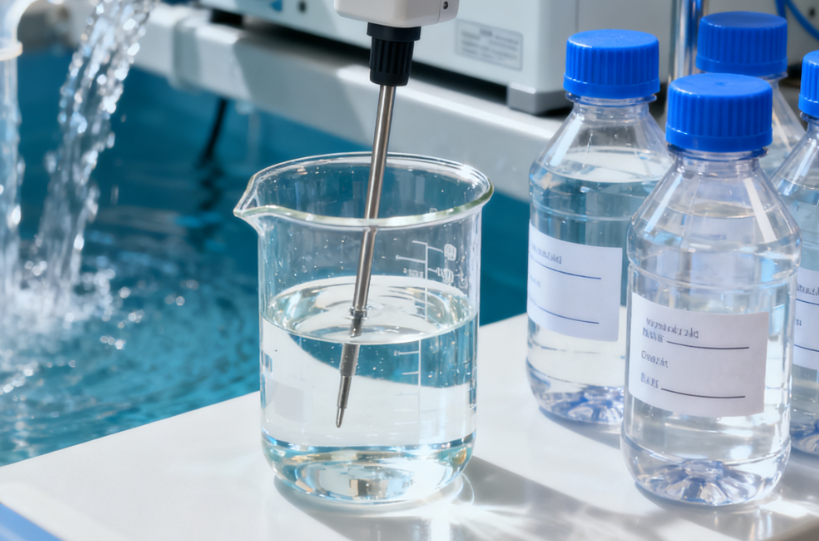
Industries such as pharmaceuticals, electronics, and food production rely on high-quality water. High turbidity can:
Damage machinery by clogging pipes and filters.
Affect product quality in sensitive manufacturing processes.
Increase maintenance costs due to sediment accumulation.
Monitoring and controlling turbidity ensures that industrial water meets strict purity standards, preventing disruptions and ensuring operational efficiency.
Turbidity also has significant ecological impacts:
Reduced light penetration affects photosynthesis in aquatic plants.
Sediments can smother fish eggs and aquatic habitats.
High turbidity often signals soil erosion, runoff, or pollution.
Maintaining optimal turbidity levels in natural water bodies is essential for aquatic life, water clarity, and ecosystem health.
Turbidity is measured using instruments that detect light scattering by suspended particles. Modern devices provide accurate, real-time data for water quality management.
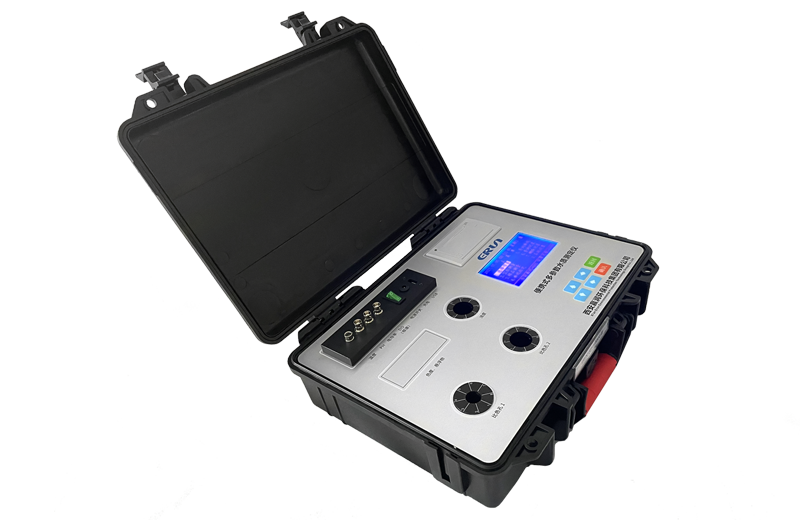
The ERUN-SP7 portable multi-parameter water quality detector offers:
Measurement of turbidity along with COD, heavy metals, and other key water quality parameters.
Flexible configuration to suit industrial, municipal, and environmental monitoring needs.
Rapid and precise results for informed decision-making.
Using devices like the ERUN-SP7 allows operators to monitor multiple water quality indicators simultaneously, providing a comprehensive assessment of water health.
Several elements can influence turbidity levels in water:
Suspended solids: Soil, sand, and silt from runoff.
Organic matter: Algae, decaying plants, and microorganisms.
Chemical pollutants: Industrial discharge or agricultural runoff.
Water disturbances: Heavy rains, storms, or human activity.
Understanding these factors helps water managers implement strategies to control turbidity and maintain high water quality.
Keeping water turbidity low requires:
Filtration and sedimentation to remove particles.
Chemical treatment using coagulants and flocculants.
Regular monitoring with devices like the ERUN-SP7.
Pollution prevention through controlled runoff and wastewater management.
Routine monitoring ensures water is safe for drinking, industrial use, and ecological balance.
Turbidity is a critical water quality parameter affecting public health, industry, and the environment. High turbidity can indicate contamination, reduce disinfection efficiency, and harm ecosystems. Low turbidity ensures clarity, safety, and compliance with water standards.
Advanced instruments like the ERUN-SP7 portable multi-parameter water quality detector allow for precise monitoring of turbidity and other key parameters, making it easier for operators to maintain safe and high-quality water. Prioritizing turbidity measurement is essential for sustainable water management and protecting both human and environmental health.


