




Residual chlorine plays a vital role in modern water treatment and water safety management. Whether for drinking water systems, surface water monitoring, or wastewater treatment, maintaining the correct level of residual chlorine is essential to ensure disinfection effectiveness while avoiding health and equipment risks.
In this article, we will explain why residual chlorine is important, how it affects water quality, where it needs to be monitored, and how advanced testing instruments like the ERUN-ST7 laboratory bench-top multi-parameter water quality analyzer help professionals achieve accurate and reliable results.
Residual chlorine refers to the amount of chlorine remaining in water after the initial disinfection process. It is generally divided into:
Free residual chlorine (hypochlorous acid and hypochlorite ions)
Combined residual chlorine (chloramines)
Total residual chlorine (free + combined)
The presence of residual chlorine ensures continuous protection against microbial contamination as water travels through distribution systems.
The primary purpose of residual chlorine is to maintain ongoing microbial control. While initial chlorination kills pathogens, residual chlorine continues working after treatment, preventing bacteria, viruses, and algae from regrowing in pipes and storage tanks.
Without adequate residual chlorine:
Water can become re-contaminated
Biofilms may form inside pipelines
Public health risks significantly increase
Residual chlorine is critical for safe drinking water. Regulatory agencies worldwide require minimum residual chlorine levels to ensure microbiological safety.
However, excessive chlorine can:
Causes unpleasant taste and odor
Lead to irritation of the skin and eyes
Promote the formation of harmful disinfection by-products (DBPs)
Accurate monitoring allows operators to maintain the optimal balance between safety and comfort.
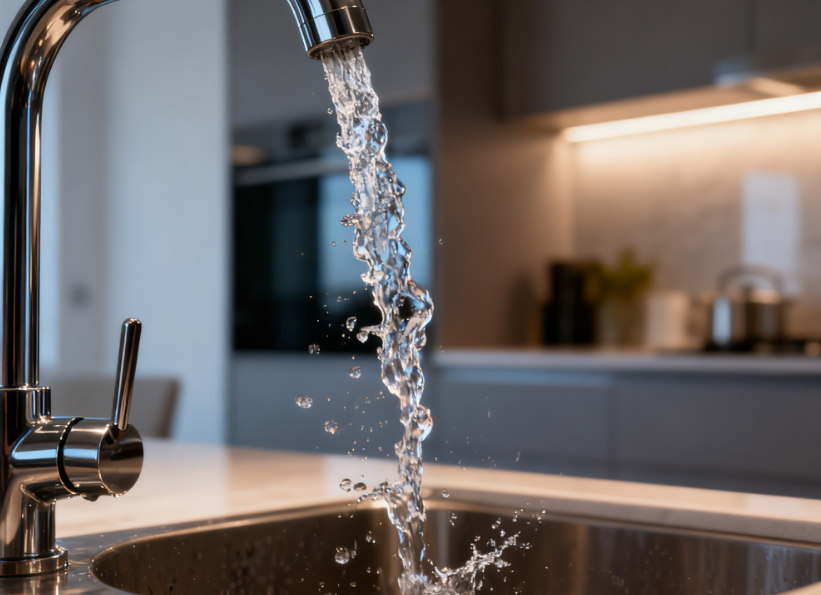
Residual chlorine helps protect water from treatment plants to household taps. Continuous monitoring ensures compliance with drinking water standards and protects end users.
In rivers, reservoirs, and lakes, residual chlorine monitoring helps assess the impact of treated wastewater discharge and prevents ecological harm.
In industrial water systems and sewage treatment plants, residual chlorine is used to:
Control odor and bacteria
Protect downstream equipment
Ensure regulatory compliance before discharge
Insufficient pathogen control
Increased risk of waterborne diseases
Biofilm formation in pipelines
Corrosion of pipes and equipment
Deterioration of water taste
Health concerns from long-term exposure
This is why precise and reliable residual chlorine testing is essential in all water management scenarios.
Residual chlorine is commonly measured using:
Colorimetric (optical) methods
Electrochemical sensor methods
Laboratory benchtop analyzers
Among these, laboratory bench-top multi-parameter analyzers offer high accuracy, repeatability, and flexibility—especially for professional and regulatory testing environments.
The ERUN-ST7 laboratory bench-top multi-parameter water quality analysis tester, developed by Erun, is designed for professionals who require precision, flexibility, and efficiency.
Supports residual chlorine, alkalinity, pH, TDS, conductivity, dissolved oxygen, and water temperature
Combines optical and electrode methods for higher measurement accuracy
Measures over 80 water quality parameters, including COD, ammonia nitrogen, total phosphorus, total nitrogen, hardness, copper, iron, nitrite, and more
Customizable parameters based on testing needs
Maximum absorbance error of only 0.005A
Excellent optical stability (<0.002A drift in 20 minutes)
Reproducibility ≤ 2%
This makes ERUN-ST7 widely applicable to:
Drinking water laboratories
Environmental monitoring stations
Sewage and industrial wastewater treatment facilities
Contact me for more product details:
+8618189135710 (WhatsApp/telephone number)
Email: stella@xayingrun.com
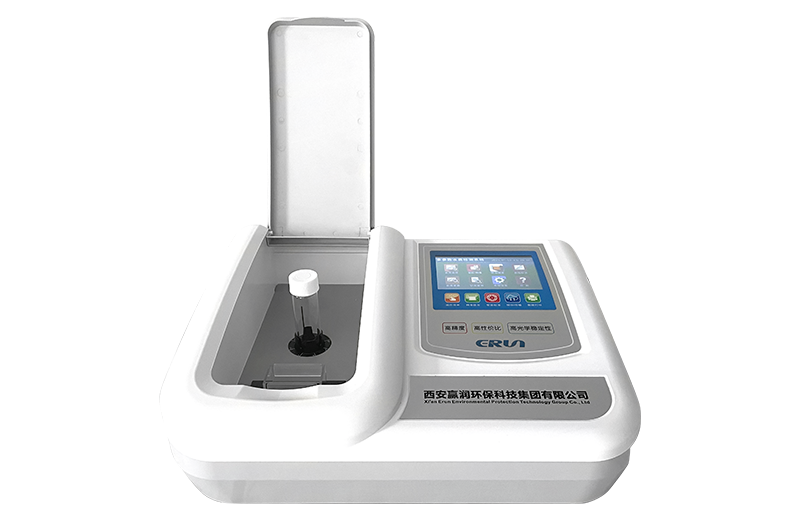
Residual chlorine is more than just a water treatment parameter—it is a key safeguard for water safety, system integrity, and regulatory compliance. Maintaining proper residual chlorine levels requires accurate, stable, and flexible testing equipment.
With advanced features, customizable parameters, and laboratory-grade accuracy, the ERUN-ST7 bench-top water quality analyzer helps professionals monitor residual chlorine and other critical indicators with confidence.
For more information or technical support, visit erunwas.com or contact our team to find the right water quality testing solution for your application.


