




Ozone in water has become an essential topic in modern water treatment, food processing, healthcare, and industrial sanitation. Known for its powerful oxidizing and disinfecting capabilities, ozone offers an effective alternative to traditional chemical disinfectants. However, accurate ozone measurement is critical to ensure safety, compliance, and treatment efficiency. This article explains what ozone in water is, how it works, and how it is measured using today’s most reliable testing technologies.
Ozone (O₃) is a highly reactive form of oxygen composed of three oxygen atoms. When dissolved in water, ozone acts as a strong oxidant, capable of inactivating bacteria, viruses, and other microorganisms more rapidly than chlorine.
1. High disinfection efficiency with short contact time
2. No harmful long-term chemical residues
3. Effective against chlorine-resistant pathogens
4. Improves taste, odor, and color of water
Because ozone decomposes quickly back into oxygen, it must be carefully monitored to maintain effective disinfection while avoiding over- or under-dosing.
Accurate ozone detection is essential for both performance control and safety compliance. Insufficient ozone levels may result in incomplete disinfection, while excessive ozone can damage equipment or pose health risks.
l Ensuring consistent disinfection performance
l Meeting regulatory and quality standards
l Protecting downstream processes and equipment
l Optimizing ozone generation and operating costs
This makes ozone monitoring a critical step in any ozone-based water treatment system.
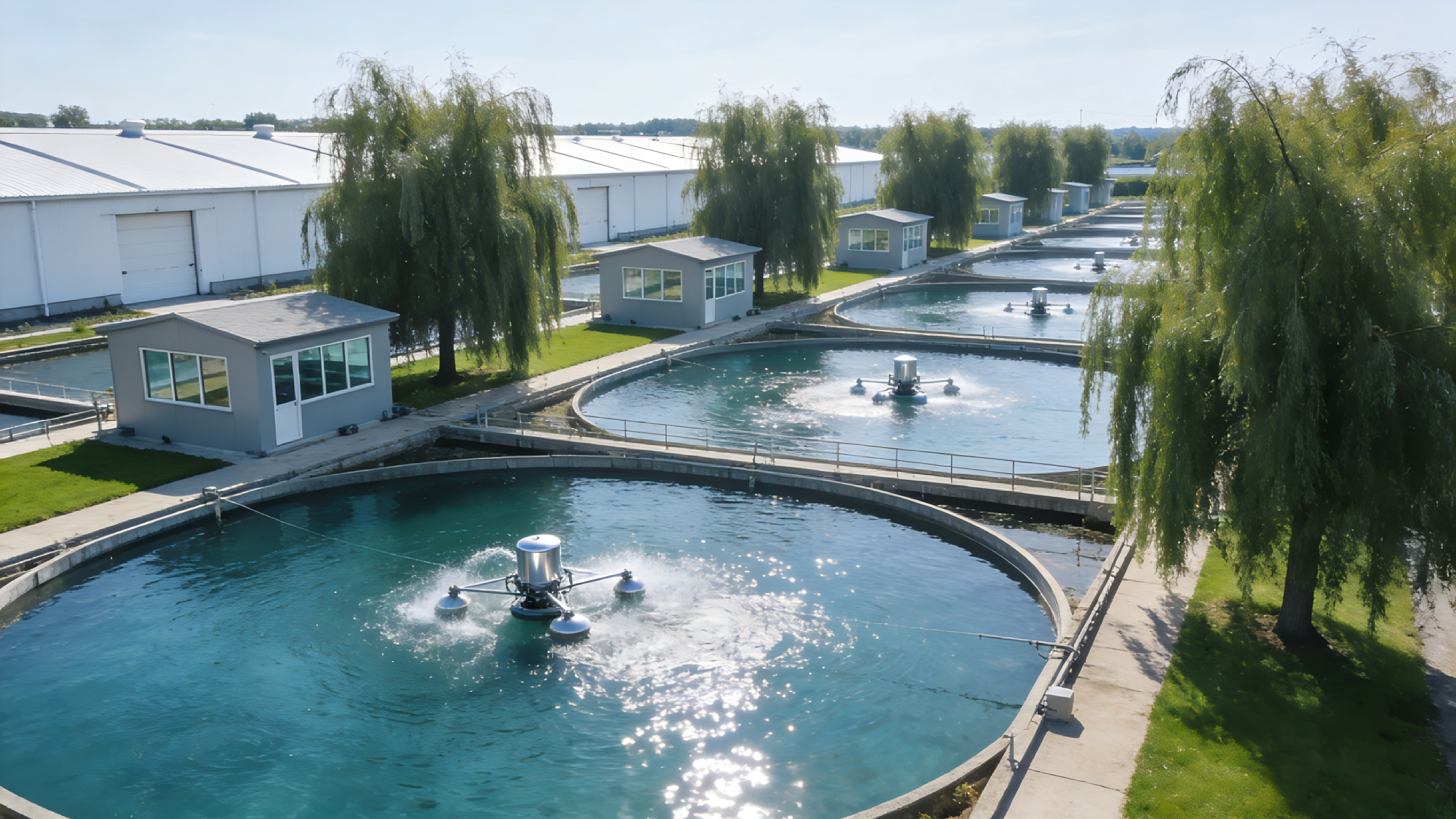
Several analytical methods are commonly used to measure ozone in water. The choice depends on application requirements, accuracy needs, and on-site conditions.
Colorimetric ozone detection is one of the most widely used approaches due to its simplicity and reliability.
l DPD method: Ozone reacts with DPD reagent, producing a color change proportional to ozone concentration.
l Indigo method: Based on ozone bleaching an indigo dye, providing high sensitivity and accuracy.
These methods are especially suitable for portable and on-site testing.
Electrochemical sensors detect ozone via redox reactions at an electrode surface. They are often used in continuous monitoring systems but require regular calibration.
This laboratory-grade method measures ozone concentration by its absorption of ultraviolet light. While highly accurate, it is generally limited to controlled environments due to complexity and cost.
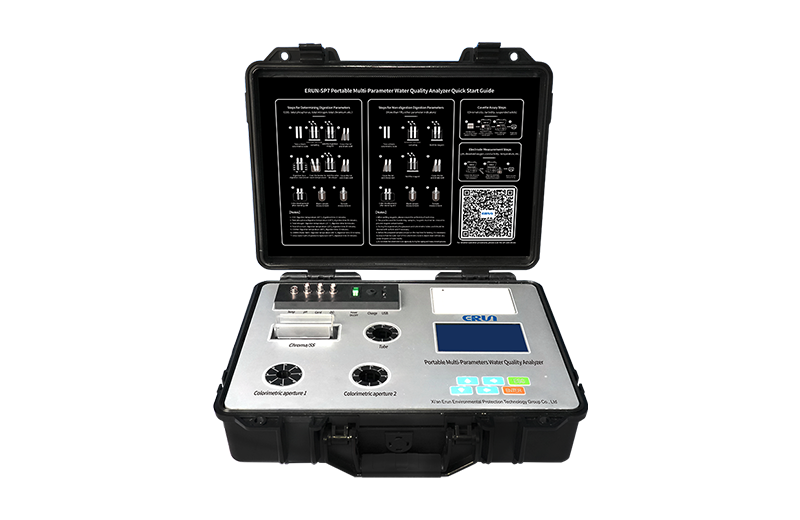
For users who require accurate, flexible, and field-ready ozone detection, The ERUN-SP7 Portable Water quality Tester offers an ideal balance between precision and convenience.
Feature | Description |
Intelligent Reagent Identification | Automatically recognizes DPD, indigo, and other reagent curves, preventing operator errors |
Multiple Detection Methods | Supports ozone and other disinfectant measurements using colorimetric analysis |
Data Storage & Export | Stores multiple data groups and exports results via external USB interface |
Built-in Printer | Instantly prints test reports for audits and documentation |
Portable Design | Ideal for field testing, on-site inspections, and mobile laboratories |
This intelligent tester significantly reduces human misoperation, improves data reliability, and simplifies compliance reporting—making it an excellent choice for water utilities, industrial facilities, and environmental monitoring teams.
Ozone testing is widely used across multiple industries, including:
1. Drinking water and wastewater treatment plants
2. Food and beverage processing facilities
3. Swimming pools and recreational water systems
4. Medical and pharmaceutical sanitation
5. Industrial process water management
In all these scenarios, portable ozone measurement tools ensure quick decision-making and stable water quality control.
The ERUN-SP7 Portable Water Quality Tester is a reliable and efficient solution for accurate ozone measurement in water. Using proven colorimetric detection methods such as DPD, it automatically identifies reagent curves to reduce human error and ensure consistent results.
With intelligent data storage, USB export, and built-in report printing, this portable tester simplifies on-site testing and documentation. It is widely used in water treatment, food and beverage processing, industrial water systems, and healthcare sanitation, where precise ozone control is critical.
Investing in accurate ozone testing helps ensure effective disinfection, regulatory compliance, and overall water safety—making this tester an essential tool for professional water quality management.


