




Water quality is not determined by appearance alone. One invisible parameter plays a decisive role in aquatic health, industrial safety, and environmental compliance: dissolved oxygen in water. Whether you manage a wastewater treatment facility, operate an industrial boiler system, or monitor surface water conditions, understanding and controlling dissolved oxygen levels is essential for stable and efficient operations.
This article explains the importance of dissolved oxygen in water, its impact across different applications, and how modern multi-parameter testing solutions help professionals make better decisions.
Dissolved oxygen (DO) refers to the amount of oxygen gas present in water, typically measured in milligrams per liter (mg/L). Oxygen enters water through natural aeration, photosynthesis, and mechanical mixing. Unlike atmospheric oxygen, dissolved oxygen directly affects chemical reactions and biological processes within the water system.
Because oxygen is involved in oxidation, microbial activity, and corrosion processes, dissolved oxygen in water is considered a core indicator of overall water quality. Abnormal DO levels often signal deeper issues such as organic pollution, system imbalance, or treatment inefficiency.
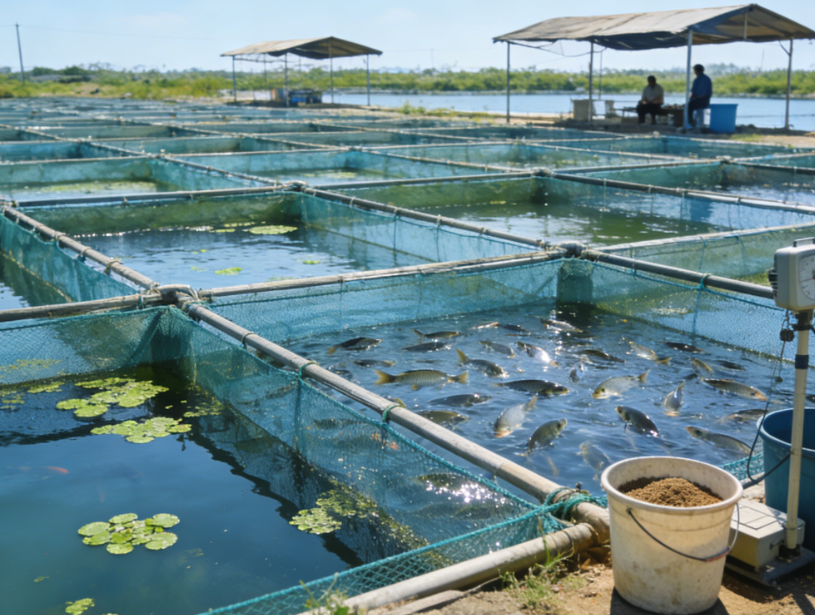
For rivers, lakes, and aquaculture systems, the importance of dissolved oxygen in water cannot be overstated. Fish, invertebrates, and aerobic microorganisms rely on oxygen for respiration.
When dissolved oxygen drops below acceptable levels:
Fish experience stress, reduced growth, or mortality
Beneficial bacteria lose activity
Anaerobic conditions promote harmful by-products
Different species require different oxygen ranges, but most aquatic organisms thrive when dissolved oxygen remains stable and sufficient. Continuous monitoring allows early intervention before irreversible ecological damage occurs.
In industrial and energy applications, dissolved oxygen is less about biology and more about system integrity.
Excessive dissolved oxygen in boiler feed water or cooling systems accelerates:
Metal oxidation
Pitting corrosion
Equipment degradation
Over time, this leads to higher maintenance costs, unplanned downtime, and safety risks. Conversely, insufficient oxygen control can also disrupt chemical balance in treatment processes. That is why precise dissolved oxygen monitoring is critical for long-term operational stability.
Dissolved oxygen levels fluctuate due to multiple factors, including:
Water temperature changes
Organic load and microbial activity
Chemical dosing and treatment processes
Seasonal or operational variations
Understanding these influencing factors helps operators distinguish between natural fluctuations and actionable problems. However, identifying root causes requires more than single-parameter testing.
There is no universal “perfect” DO value. The ideal level depends on application:
Environmental and surface water monitoring focuses on ecosystem balance
Industrial water systems aim to minimize corrosion risk
Wastewater treatment relies on controlled oxygen for biological processes
This variation highlights why dissolved oxygen should be evaluated together with other water quality indicators, not in isolation.
Traditional dissolved oxygen meters provide valuable data, but they often fail to explain why oxygen levels change. Real-world water systems are complex, and dissolved oxygen interacts with parameters such as:
Turbidity
Residual chlorine
Nutrients like nitrogen and phosphorus
Metal ions and hardness
Accurate decision-making requires multi-parameter water quality analysis, especially for professionals responsible for compliance, optimization, and risk control.
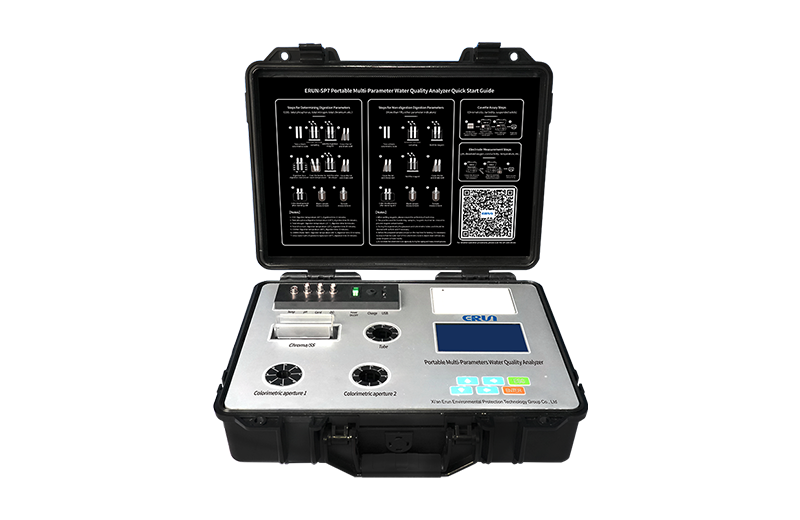
For users who need reliable and practical dissolved oxygen data, the ERUN environmental protection ERUN-SP7 portable multi-parameter water quality detector is designed as a complete solution—not just a testing device.
Instead of measuring dissolved oxygen alone, ERUN-SP7 allows professionals to:
Analyze dissolved oxygen alongside key water parameters
Identify correlations between oxygen levels and pollutants
Adapt testing configurations based on real application needs
The system supports a wide range of indicators, including inorganic salts and heavy metals such as ammonia nitrogen, total nitrogen, residual chlorine, turbidity, iron, manganese, phosphate, hardness, and more. For users dealing with complex water systems, this means fewer blind spots and faster problem identification.
Most importantly, ERUN-SP7 can be expanded and customized, enabling customers to monitor exactly what matters in their specific environment—whether industrial water treatment, environmental monitoring, or process control.
The importance of dissolved oxygen in water extends far beyond a single measurement. It influences ecosystem health, equipment lifespan, regulatory compliance, and overall system efficiency.
For professionals managing complex water systems, dissolved oxygen data becomes truly valuable only when it is part of a comprehensive, multi-parameter monitoring strategy. Tools like ERUN-SP7 help transform raw data into actionable insight—supporting smarter decisions and more stable water quality management.


