




Understanding what is dissolved oxygen in wastewater is essential for anyone involved in wastewater treatment, environmental monitoring, or industrial water management. Dissolved oxygen (DO) directly affects biological processes, treatment efficiency, and regulatory compliance. Without proper control, wastewater systems can quickly become unstable, inefficient, or even non-compliant.
This guide explains the concept of dissolved oxygen in wastewater, why it matters, how it is measured, and how wastewater professionals can solve DO-related challenges with reliable monitoring solutions.
Dissolved oxygen refers to the amount of oxygen dissolved in water and available for biological and chemical reactions. In wastewater systems, DO is a critical indicator of treatment performance. Operators, engineers, and environmental managers monitor it to ensure aerobic processes function correctly.
Many professionals search for what is dissolved oxygen in wastewater because improper oxygen control leads to odor issues, poor effluent quality, excessive energy consumption, and regulatory risks. Accurate DO monitoring supports better decision-making, cost control, and long-term system stability.
Dissolved oxygen is the free, non-compound oxygen present in wastewater, typically measured in milligrams per liter (mg/L). It differs from oxygen bound in chemical compounds and directly supports aerobic microorganisms responsible for breaking down organic pollutants.
In wastewater dissolved oxygen levels, even small changes can significantly impact treatment efficiency.
Oxygen enters wastewater through natural surface contact and mechanical aeration systems. At the same time, microorganisms consume dissolved oxygen during biological treatment. The balance between oxygen supply and oxygen demand determines system performance.
In activated sludge and other aerobic processes, bacteria rely on sufficient dissolved oxygen to degrade organic matter and convert ammonia into nitrate. Proper dissolved oxygen in wastewater treatment ensures stable microbial activity and consistent effluent quality.
Low dissolved oxygen can cause incomplete treatment, sludge bulking, foul odors, and anaerobic conditions. Excessively high DO, on the other hand, wastes energy and can disrupt biological balance. Effective DO control protects both process performance and operational budgets.
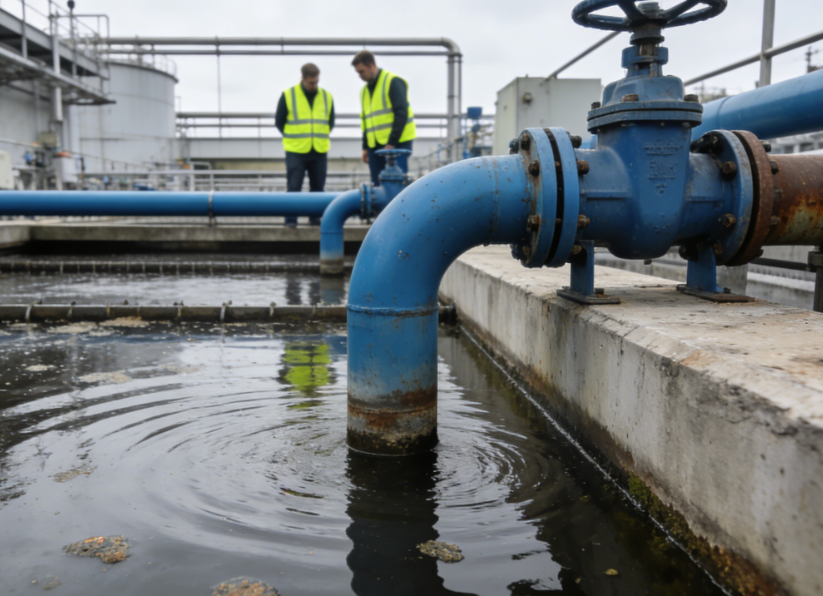
Most secondary treatment systems operate effectively within a moderate dissolved oxygen range, often between 2.0–4.0 mg/L. However, optimal levels vary depending on treatment stage, influent load, and process design.
There is no single ideal value for all systems. Factors such as temperature, organic load, and nutrient concentration influence oxygen demand. This is why wastewater water quality monitoring should never rely on DO alone.
Wastewater professionals face complex systems where dissolved oxygen, nutrients, chlorine, turbidity, and hardness interact continuously. Relying on multiple separate instruments increases workload and data inconsistency.
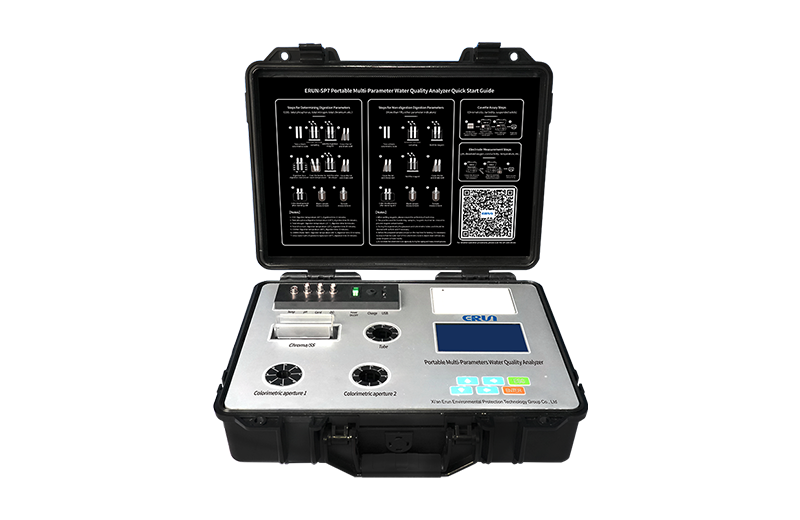
The ERUN environmental protection ERUN-SP7 portable multi-parameter water quality detector addresses this challenge by allowing users to monitor dissolved oxygen alongside critical parameters such as ammonia nitrogen, total nitrogen, total phosphorus, residual chlorine, turbidity, hardness, sulfate, nitrite, and heavy metals.
Instead of simply showing a DO number, ERUN-SP7 helps users understand the cause behind oxygen fluctuations. Its expandable and customizable testing options enable operators to adapt monitoring strategies to different wastewater processes.
For wastewater plants, industrial facilities, and environmental inspectors, this means faster troubleshooting, better process control, and more confident compliance decisions—all from a single portable device designed for field efficiency and accuracy.
Dissolved oxygen monitoring is essential in municipal wastewater treatment plants, industrial discharge management, and environmental impact assessments. Reliable dissolved oxygen measurement supports regulatory compliance, operational optimization, and environmental protection.
Understanding what is dissolved oxygen in wastewater is fundamental to effective treatment and monitoring. Dissolved oxygen directly affects biological activity, energy efficiency, and effluent quality. Because DO is influenced by many variables, professionals benefit most from multi-parameter monitoring rather than isolated readings.
By combining dissolved oxygen testing with comprehensive water quality analysis, solutions like ERUN-SP7 help wastewater professionals gain clearer insights, reduce operational risks, and maintain stable, compliant systems.


