




Maintaining safe and clear pool water is not just about appearance. It depends on understanding what are the parameters for pool testing and monitoring them correctly. Whether you manage a residential swimming pool, a hotel facility, or a public aquatic center, knowing which parameters matter—and how to test them efficiently—is essential for health, compliance, and cost control.
This guide explains the core pool testing parameters, why they matter, how often they should be checked, and how modern multi-parameter testers simplify the entire process.
Pool water quality directly impacts swimmer safety. Poorly controlled water parameters can cause skin irritation, eye discomfort, bacterial growth, and even serious health risks. From a management perspective, incorrect testing also leads to excessive chemical use, equipment corrosion, and regulatory violations.
Commercial and public pools face stricter requirements than residential pools. Understanding pool water testing parameters is the first step toward maintaining stable, compliant, and safe swimming environments.
To answer what are the parameters for pool testing, it helps to group them into physical and chemical indicators. Each parameter provides a different perspective on water quality, and together they form a complete picture.
Physical parameters describe the visible and sensory condition of pool water, while chemical parameters determine sanitation effectiveness and chemical balance. Relying on only one or two indicators often leads to hidden problems that surface later.
This is why professional pool management increasingly depends on swimming pool water parameters monitored as a set, rather than isolated readings.

Chemical parameters are the backbone of pool water safety and hygiene.
pH controls how comfortable the water feels and how effective disinfectants perform. If pH is too high or too low, chlorine efficiency drops, and corrosion or scaling may occur.
Disinfectants kill bacteria and viruses. Pool chemical testing typically focuses on residual chlorine and total chlorine to ensure continuous sanitation without overdosing.
ORP (oxidation-reduction potential) reflects how well disinfectants are working in real time. It complements chlorine readings by showing actual oxidation power.
These parameters indicate the accumulation of dissolved solids and salts over time. High conductivity or TDS can signal the need for partial water replacement and help prevent long-term water quality degradation.
Physical indicators reveal changes that may not be obvious during chemical testing alone.
Temperature affects swimmer comfort, chemical reaction speed, and disinfectant consumption. Stable temperature control supports overall water balance.
Turbidity measures water clarity. Cloudy water often means ineffective filtration, poor disinfection, or organic contamination.
While often overlooked in pool management, dissolved oxygen contributes to water freshness and overall system stability, especially in heavily used pools.
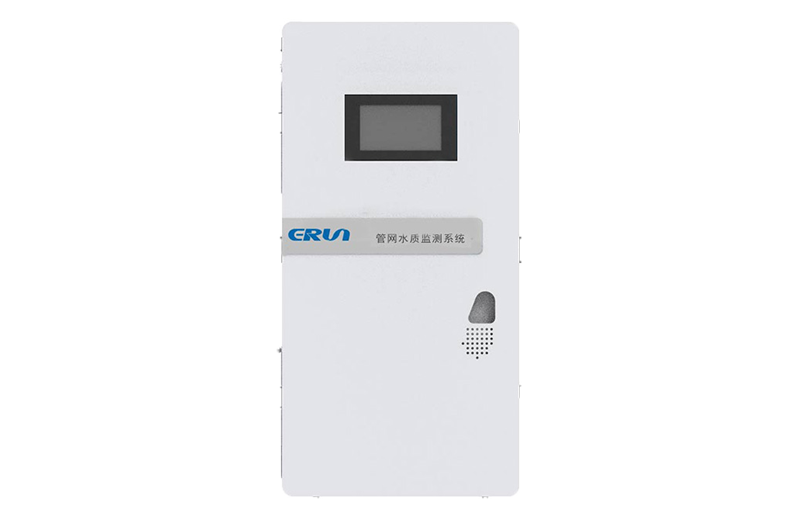
The ERUN-SZ-M620 is built specifically for environments where water quality stability, regulatory compliance, and operational efficiency are critical.
Key benefits for customers include:
Real-time, continuous monitoring of critical swimming pool water parameters
Reduced reliance on manual sampling and labor-intensive testing
Early warning of water quality deviations to prevent health risks
Improved compliance with public health and safety regulations
Enhanced swimmer comfort through consistently balanced pool water
This online monitoring system is widely used in leisure and recreation facilities, public swimming pools, educational institutions, hotels, and private swimming pools. It also serves as a reliable water quality monitoring and assessment tool for health supervision departments.
By automating pool water quality monitoring, ERUN-SZ-M620 significantly improves management efficiency while ensuring a safer and more reassuring swimming environment for users.
So, what are the parameters for pool testing? They include essential chemical indicators like pH, disinfectants, ORP, conductivity, and TDS, along with physical parameters such as temperature, turbidity, and dissolved oxygen.
Accurate testing is not just about knowing the parameters—it is about measuring them efficiently and consistently. By using a professional multi-parameter pool testing solution like ERUN-SZ-M620, pool operators can simplify testing workflows, improve water safety, and maintain stable pool conditions with confidence.


