




Water hardness is a critical aspect of water quality that affects drinking water, industrial operations, and environmental management. It refers to the concentration of dissolved minerals, mainly calcium and magnesium, in water. Understanding what causes water hardness and how to measure it accurately is essential for water suppliers, industries, laboratories, and researchers. While hard water is generally safe to drink, excessive hardness can impact taste, household appliances, industrial equipment, and compliance with international guidelines.
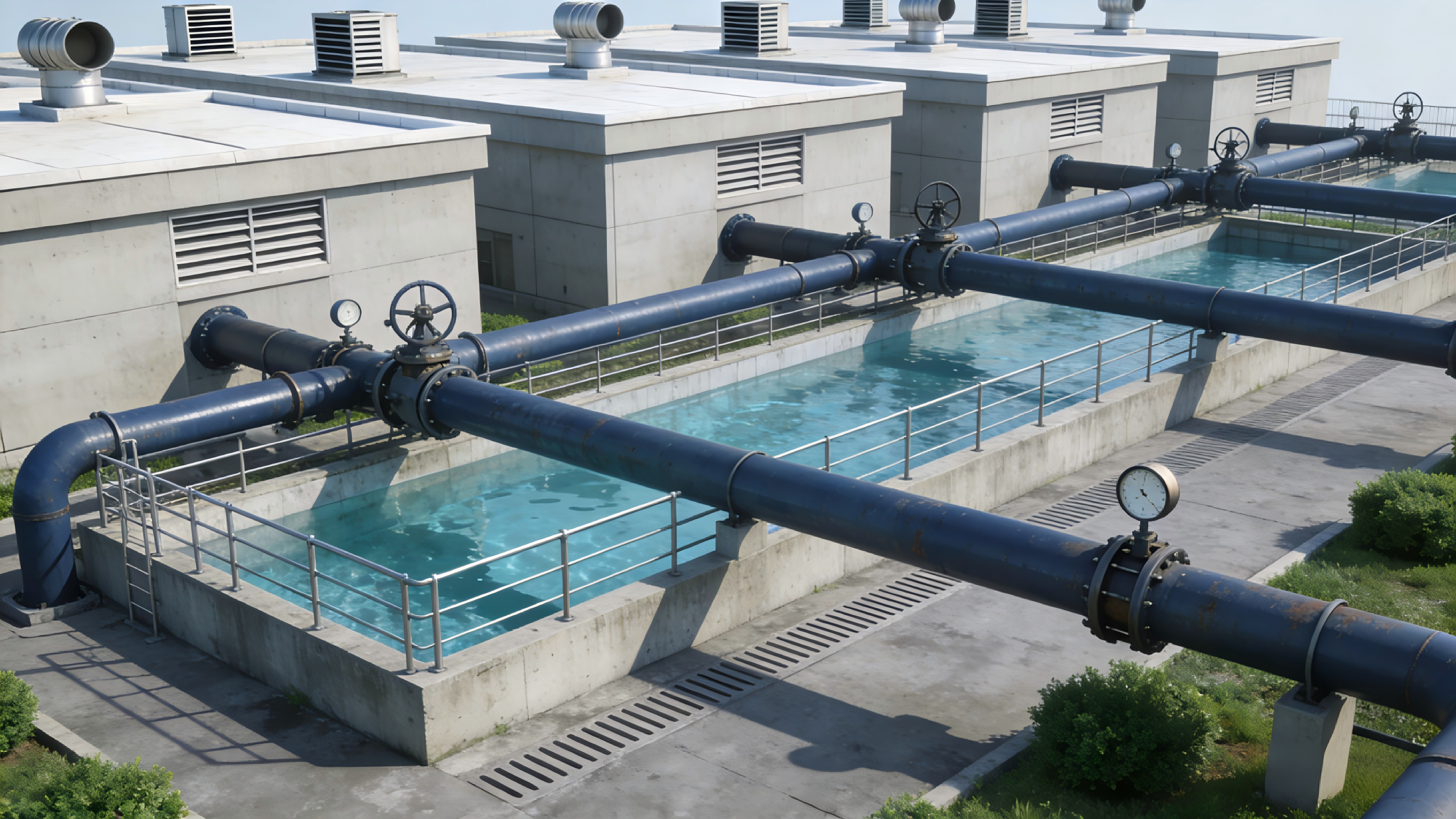
The primary source of water hardness is geological. As rainwater percolates through soil and rock formations, it dissolves minerals such as limestone, dolomite, gypsum, and chalk, which are rich in calcium and magnesium compounds. Groundwater usually exhibits higher hardness than surface water due to prolonged contact with mineral layers.
Human activities can also influence hardness levels. Agricultural runoff, industrial effluents, and wastewater discharge may increase mineral concentrations, especially in areas with mining, cement production, or metal processing. Water hardness is often divided into temporary hardness and permanent hardness. Temporary hardness, caused by bicarbonates of calcium and magnesium, can be reduced through boiling or chemical treatment. Permanent hardness, resulting from sulfates and chlorides, persists after heating and requires specific chemical or physical treatment.
Although the Safe Drinking Water Act (SDWA) does not set a health-based limit for hardness, it is a crucial operational and aesthetic parameter. The United States Geological Survey (USGS) classifies total hardness (as CaCO₃) into soft (0–60 mg/L), moderately hard (61–120 mg/L), hard (121–180 mg/L), and very hard (>180 mg/L) categories. These ranges provide a standardized reference for assessing how mineral content affects usability rather than health alone.
In drinking water systems, moderate hardness can improve taste, while excessive hardness can increase scaling in pipes and appliances, reducing efficiency and lifespan. In industrial applications, hard and very hard water can cause scale in boilers, cooling towers, and heat exchangers, leading to heat transfer loss, higher energy consumption, and maintenance challenges. Using USGS hardness classifications enables utilities and industries to assess operational risks and implement monitoring or treatment strategies efficiently.
Total Hardness (as CaCO₃) | Classification |
0–60 mg/L | Soft |
61–120 mg/L | Moderately Hard |
121–180 mg/L | Hard |
>180 mg/L | Very Hard |
Accurate measurement of water hardness is essential for effective water management. It involves determining the total concentration of calcium and magnesium ions, typically expressed in mg/L as CaCO₃. Various methods exist, including EDTA titration, test strips, and spectrophotometry. Among these, the Acid Chromium Blue K method is widely used for its precision and repeatability, suitable for both laboratory and field applications.
The ERUN-SP7-H2 Portable Water Quality Hardness Tester, developed by ERUN Environmental Protection, offers a professional solution. It provides direct readings of total hardness with high optical stability, a measurement range of 0.1–500 mg/L, an error margin of ≤±5%, and repeatability ≤2%. Its cold light source ensures minimal absorbance drift, while the device features a 5-inch LCD display, built-in printer, USB interface, internal storage for 3,000 curves, dual power supply, and a self-diagnostic function.
This portable instrument is ideal for surface water, sewage, industrial wastewater monitoring, and university laboratory research. Using the ERUN-SP7-H2, stakeholders can apply USGS hardness classifications effectively, enabling informed decisions for treatment, system maintenance, and water quality control.
By identifying what causes water hardness and combining it with precise testing, stakeholders can maintain safe, efficient, and high-quality water systems. Proper monitoring of what causes water hardness also supports regulatory compliance and contributes to the long-term sustainability of water resources. Portable and reliable instruments ensure that total hardness levels are quickly assessed and acted upon, providing practical solutions for both environmental protection and operational management.


