




Water safety is a growing concern for municipalities, industries, and households alike. One increasingly discussed contaminant is bromate. Many people ask: is bromate in water bad for you? The short answer is yes—under certain conditions, bromate can pose serious health risks. Understanding where it comes from, how it affects the body, and how to control it is essential for ensuring safe drinking water and regulatory compliance.
Bromate is a chemical byproduct that can form during water disinfection processes. It is closely related to bromide, a naturally occurring ion commonly found in water.
Bromide in water is typically present due to natural mineral dissolution, especially in areas with basalt geological layers. It can also enter water sources through industrial wastewater, oil field brines, pharmaceutical production, electronic plating, fuel manufacturing, and agricultural chemicals such as methyl bromide pesticides.
Bromate, however, is not usually present naturally. It forms when bromide reacts with ozone during water treatment. This reaction converts bromide into bromate, which is considered a potentially harmful compound.
The key concern with bromate in drinking water lies in its potential health impact.
Scientific research has identified bromate as a possible carcinogen. Long-term exposure in laboratory studies has been linked to increased risks of certain types of cancer. Because of these findings, regulators around the world treat bromate as a high-priority contaminant.
While short-term exposure to low levels may not produce obvious symptoms, chronic exposure raises concerns about kidney damage and nervous system effects. Over time, even small amounts may accumulate, increasing overall risk.
Strict regulations exist precisely because bromate can be harmful at very low concentrations. Vulnerable populations, including children and pregnant women, may face greater health risks. This is why consistent bromate water testing is essential—not optional.
So yes, if left uncontrolled, bromate in water can be bad for you. The good news is that it can be effectively monitored and managed.

Many regulatory agencies set the bromate limit in water at 10 µg/L (0.01 mg/L) for drinking water. This limit is intentionally strict due to bromate’s potential toxicity.
For municipal water suppliers and industrial facilities, failing to meet these standards can result in regulatory penalties, reputational damage, and public health consequences. Therefore, proactive testing and bromide control strategies are critical components of modern water quality testing programs.
Since bromate forms from bromide during ozonation, controlling bromide levels is a proactive way to reduce risk.
Regular bromide monitoring allows water treatment operators to:
Evaluate raw water risk before disinfection
Adjust ozonation parameters
Prevent bromate formation before it occurs
Protect public health and ensure compliance
Instead of reacting to contamination after it happens, early bromide detection gives water managers control over the entire process.
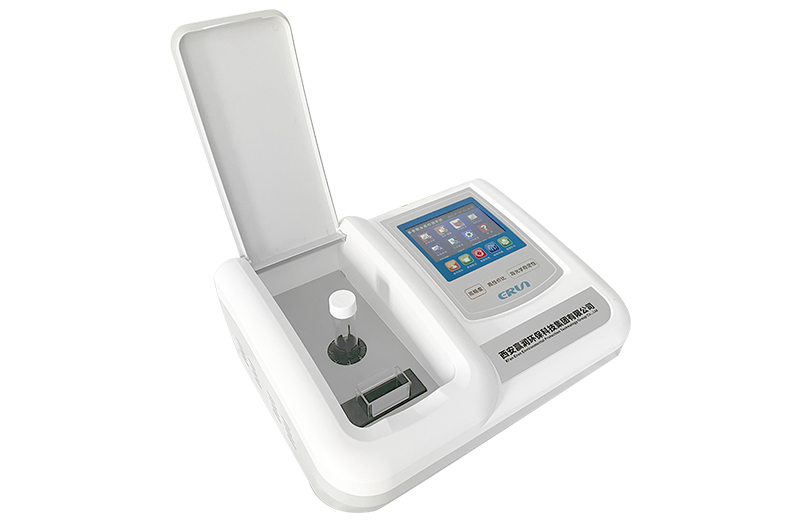
For organizations seeking accurate and efficient monitoring, the ERUN-ST-BR707 Laboratory Desktop Bromide Water Quality Detector provides a practical and dependable solution.
The ERUN-ST-BR707 offers:
Measuring range: 0.01–5.00 mg/L
Error range: ≤ ±5%
Detection capability for drinking water, industrial wastewater, surface water, and groundwater
This wide detection range ensures that both low-level compliance monitoring and higher industrial concentrations can be measured accurately.
Water utilities and industrial operators often struggle with delayed lab results, inconsistent monitoring, and compliance pressure. The ERUN-ST-BR707 directly addresses these challenges by:
Providing reliable in-house testing to reduce dependence on external laboratories
Delivering accurate results that support regulatory reporting
Allowing early identification of elevated bromide levels to prevent bromate formation
Enhancing operational decision-making in treatment systems
By strengthening internal testing capability, customers gain better control over risk management and compliance assurance.
Bromate poses real health concerns, particularly with long-term exposure. Strict regulatory limits reflect its potential toxicity. However, through proactive bromide monitoring, precise water quality testing, and reliable analytical tools like the ERUN-ST-BR707, organizations can effectively manage and minimize risk.
Safe water is not achieved by chance—it is achieved through accurate detection, responsible treatment, and informed decision-making.


