




In recent years, consumers have increasingly questioned the safety of bottled water. One common concern is whether bottled water contains harmful substances like bromate. While bottled water is often marketed as pure and safe, trace contaminants can occasionally occur. Bromate is a disinfection byproduct that forms when bromide in water reacts with ozone, a common treatment method in bottled water production. Understanding the risks and the methods for monitoring bromate in bottled water is crucial for both consumers and manufacturers. This article explores how bromate forms, its potential health effects, and practical solutions to ensure water safety.
Bromide is naturally present in some water sources due to mineral dissolution in rocks, industrial wastewater, and pesticide use. When water containing bromide is treated with ozone, bromate can form. This makes bromate a key indicator for water quality, particularly in bottled water production.
Many bottled water manufacturers use ozonation to disinfect water without chlorine. While effective, ozonation can inadvertently convert bromide into bromate, especially if levels are not properly controlled. Monitoring bromide is therefore essential to prevent bromate formation.
Regulatory testing shows that most bottled water complies with safety standards, but occasional trace amounts of bromate have been detected. These detections highlight the need for rigorous monitoring.
International standards, including the EPA, limit bromate to 10 µg/L in drinking water. Bottled water producers must comply with these limits to ensure safety.
Even small amounts of bromate can pose long-term health risks, including carcinogenic effects. Consumers increasingly expect bottled water to be free from all potentially harmful byproducts, making proactive monitoring essential.

Chronic exposure to bromate may increase the risk of cancer and can affect kidney function and the nervous system.
Children, pregnant women, and heavy bottled water consumers are more susceptible to potential health effects. Ensuring bromate-free bottled water protects these populations and maintains public trust.
Since bromate originates from bromide, early detection and control of bromide levels are essential to prevent formation during ozonation.
Without proper water quality testing, manufacturers risk regulatory violations, product recalls, and reputational damage. Continuous monitoring ensures bottled water remains safe and compliant.
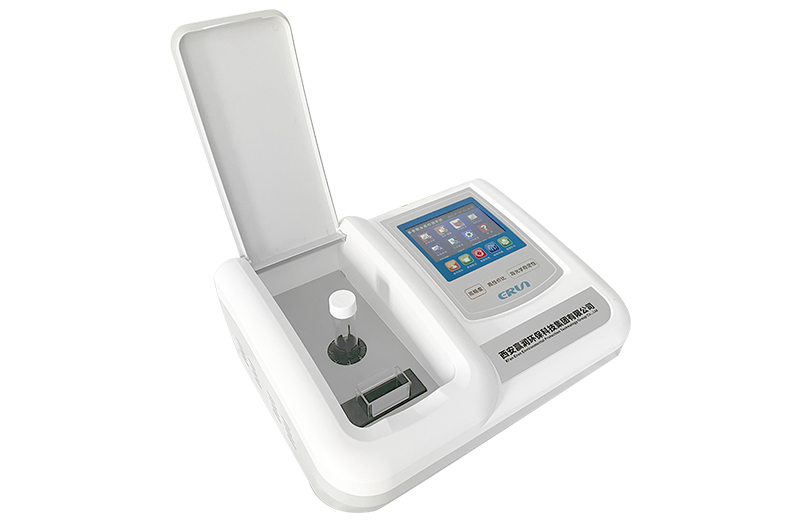
The ERUN-ST-BR707 is a laboratory desktop water quality detector designed to measure bromide levels with high precision. It covers a measuring range of 0.01–5.00 mg/L with an error range of ≤ ±5%, ensuring reliable data for bottled water production.
Detects bromide in water early, preventing bromate formation
Supports rapid, on-site testing, reducing reliance on third-party labs
Provides accurate data to adjust ozonation parameters
Maintains compliance and product safety documentation
In addition to bottled water, the ERUN-ST-BR707 is suitable for environmental monitoring, industrial wastewater, surface water, and groundwater testing, making it versatile for multiple applications.
Regularly test source water for bromide before treatment.
Optimize ozone disinfection to minimize bromate formation.
Use reliable bromide detection instruments to maintain compliance and assure consumers of product safety.
Yes, bromate can form in bottled water, but strict regulations and proactive monitoring significantly reduce risk. The main contributor is bromide in water, which reacts during ozonation. Routine detection using instruments like the ERUN-ST-BR707 ensures bottled water is safe, compliant, and trustworthy, protecting both consumers and brand reputation.


